


A person has died after contracting Legionnaires' disease during an ongoing outbreak on Manhattan's Upper East Side, city health officials announced Friday, marking the first fatality tied to the outbreak.
Health officials have not disclosed the deceased person's name, age, or other identifying details, citing privacy concerns, according to a statement from NYC Health Commissioner Dr. Alister F. Martin.
As of 9 p.m. Thursday, 67 people had been diagnosed with the illness, and 12 remained hospitalized, he said.
Cooling Towers Under Scrutiny
Investigators have not determined which, if any, specific building is responsible for spreading the bacteria, but testing has turned up living or dead Legionella organisms in cooling towers atop more than 75 Upper East Side properties, including museums, private schools and upscale apartment buildings.Martin's statement put the number at 76 buildings ordered to clean and disinfect their cooling towers, adding that all 76 have since confirmed they completed the required remediation.
How Legionnaires' Spreads
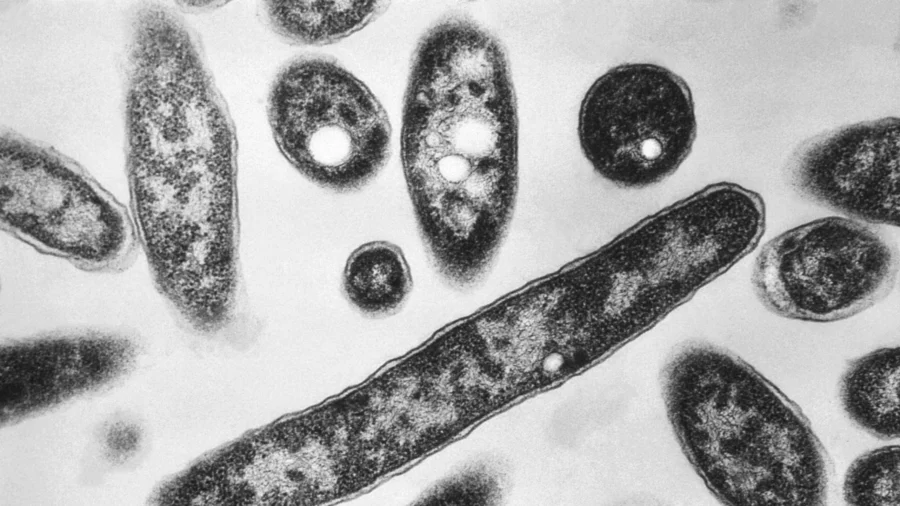
Legionnaires' disease is a form of pneumonia caused by Legionella bacteria that thrive in warm water and can become airborne in fine mist produced by cooling towers, hot tubs and spray fountains. People become infected by inhaling contaminated water droplets, and the illness cannot pass from person to person.Symptoms include fever, chills, muscle aches and cough, and can also involve headaches, fatigue, loss of appetite, confusion or diarrhea, according to local health officials. Those over age 50, smokers or vapers, and people with chronic heart, lung, kidney or liver disease, diabetes, or weakened immune systems face higher risk of severe illness.
While no vaccine exists to prevent the disease, it can typically be treated successfully with antibiotics when caught early. The U.S. Centers for Disease Control and Prevention estimates the illness proves fatal in about 10 percent of patients.
Anyone who has lived in, worked in, or visited the affected neighborhoods since late June and is experiencing flu-like symptoms should seek medical care immediately, Martin emphasized.
Assistance locating a health care provider is available regardless of immigration or insurance status by calling 311 or 844-NYC-4NYC (844-692-4692).
The current death follows a similar outbreak last year in Harlem, where seven people died, and more than 100 people were sickened. The Health Department said it investigates such clusters specifically to trace sources of contamination and head off further infections.