


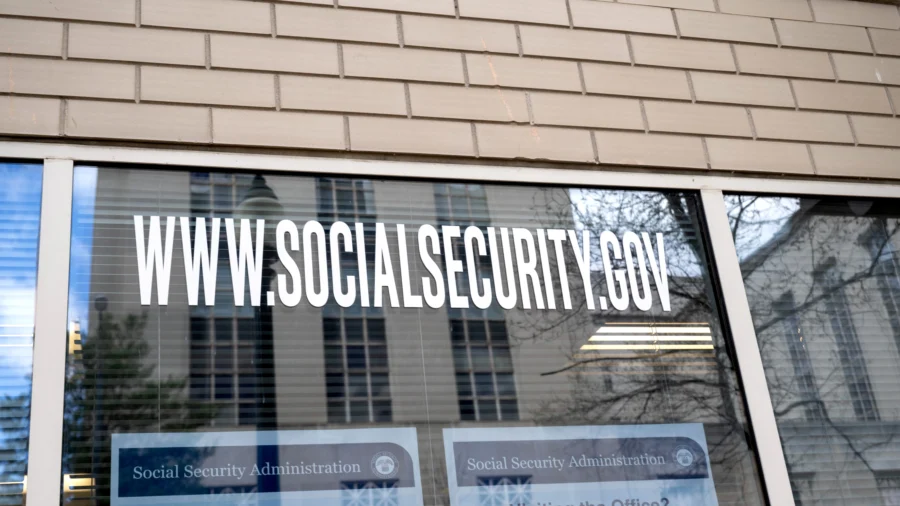
After her uncle died, Audrey Oquendo was awarded a windfall of $4,080 in kinship money from his estate. The 90-year-old New Yorker is currently living off of a monthly social security payment of $900 and a part time job. She's concerned that the windfall will lower her social security benefits.
"I went to the Social Security office but they did not tell me what documents I need," Oquendo told NTD. “It is too complicated.”
Oquendo is among the 73 million Americans who are receiving Social Security benefits, according to Social Security Administration (SSA) data.
Estate attorney William London notes that once a retiree is receiving Social Security retirement benefits, lump-sum payments in the form of inheritances, lottery winnings, or legal settlements typically have no effect on their Social Security income.
That’s because Social Security retirement benefits are based on a person’s work record, not income or resources.
“Audrey should bring bank statements showing when she received the $4,080 and keep an accounting,” London told NTD. “She can use form SSA-795 to express the situation in her own words. By presenting thorough documents and showing her willingness to explain, Audrey greatly improves the chances of solving the situation.”
Form SSA-795, also known as a Statement of Claimant or Other Person, is used by the SSA to gather information about a beneficiary.
Oquendo also receives $87 in Supplemental Security Income (SSI) and $87 in Social Security Disability Insurance (SSDI) income.
“The Social Security office told me that I can only have $2,000 in my checking account and anything over that amount I owe back,” Oquendo said.
Windfall rules are different for Americans receiving SSI, according to ZealousAdvocate.com attorney Ben Michael, but the same for those receiving SSDI.
“With SSI benefits, you will often see a decrease in benefits because those earnings will be viewed as assets,” Michael told NTD.
Since Oquendo is an SSI recipient, London predicts SSA will treat her $4,080 windfall as income in the month it was received.
"Any remaining money could potentially be allocated as a resource in subsequent months," London added. "If the money is spent before the start of the following month, the resulting reduction in benefits could apply only to that month."