


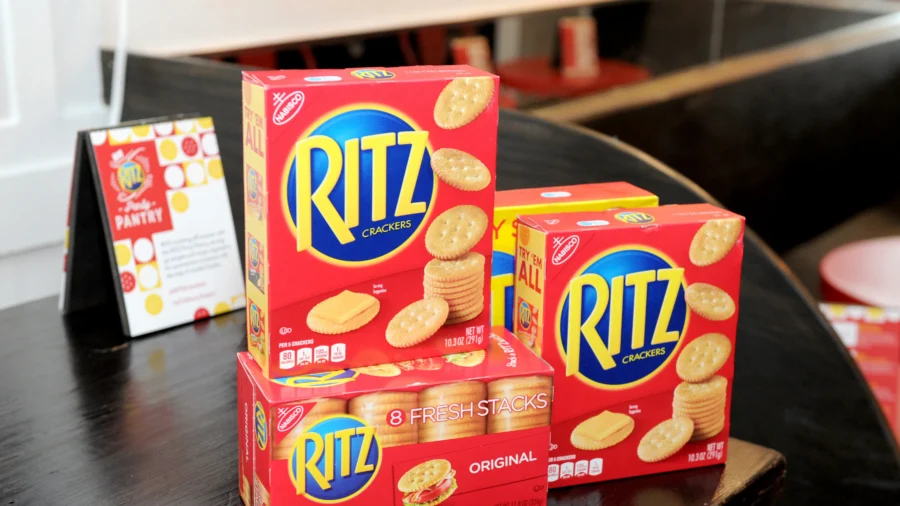
The U.S. Food and Drug Administration (FDA) published an alert this week on various cartons of Ritz crackers being labeled incorrectly.
“The affected cartons include individually wrapped packs that may be incorrectly labeled as Cheese variety even though the product may be a Peanut Butter variety,” the FDA said. “Consumers who have an allergy or severe sensitivity to peanuts may risk serious or life-threatening allergic reactions by consuming this product.”
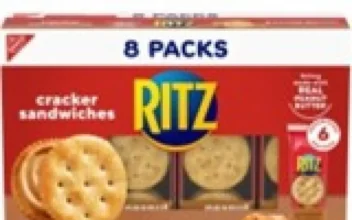
The recall applies to the 8-pack, 20-pack, and 40-pack RITZ Peanut Butter Cracker Sandwich cartons as well as the 20-pack RITZ Filled Cracker Sandwich Variety Pack carton.
“The recall was initiated after Mondelēz Global LLC discovered that film packaging rolls used to package individually wrapped products containing peanut butter may contain defects due to a supplier error,” the FDA said. “Corrective actions are being taken to help ensure this issue does not recur.”
The crackers were manufactured in the United States and sold nationwide in retail stores.
“What’s at stake is that a consumer with a severe food allergy is exposed, leading to anaphylaxis, necessitating a trip to the emergency room and possibly resulting in death,” SnackSafely.com CEO Dave Bloom told NTD.
"Consumers may need to become more informed about the types of ingredients that can undergo cross contamination," Mendocino Food Consulting founder Bryan Quoc Le told NTD in an email. "Grains are often produced together on the same line. The same goes with nuts."
A press release issued by Mondelēz Global states that all outer cartons recalled are labeled correctly and provide an allergen advisory statement indicating that the product contains peanuts.
"Companies need to do a much better job of quality control and labeling, which will only happen with severe penalties and more FDA regulation," Bloom added. "Precautionary Allergen Labeling must be made mandatory with prescribed wording and placement."