


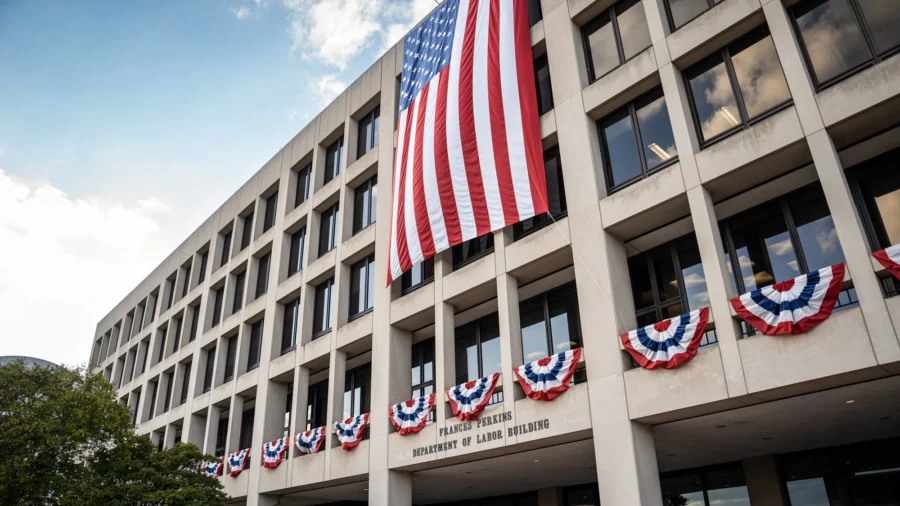
The U.S. Department of Labor has proposed a new measure that would make it easier for 401(k) plans to include alternative assets such as cryptocurrency, real estate, and private market investments.
Federal law requires those overseeing 401(k) plans to act in the best interests of participants, a broad standard that has exposed employers to lawsuits over investment options deemed too costly or otherwise inappropriate. Workers have brought such claims against some of the nation’s largest employers, such as Boeing and Lockheed Martin, challenging allegedly high-fee offerings.
Although 401(k) plans are already permitted to include alternative assets, many providers have been reluctant to do so for fear of violating fiduciary duties and triggering expensive class-action litigation.
Monday’s proposal does not grant immunity to workplace retirement plan fiduciaries from lawsuits. But it outlines steps that 401(k) plan managers should take when evaluating alternative assets for their investment menus and establishes several “safe harbors” intended to help them avoid litigation.
The Labor Department said it will accept public comments for 60 days before issuing a final rule.
“Our goal is to deliver on President Trump’s promise for a new golden age by fostering a retirement system that allows more Americans to retire with dignity,” Chavez-DeRemer said.
Supporters of the change say allowing alternative investments in 401(k) plans could give savers broader diversification beyond public markets and potentially improve long-term returns.
Critics, however, say that many retirement savers lack the knowledge needed to evaluate more complex products, which could be less liquid, more expensive, and riskier than traditional investments.
Asset managers have been eager for greater access to the $14.2 trillion 401(k) market for higher-fee alternative products. Empower, the nation’s second-largest provider of workplace retirement plans, last year moved to offer workers exposure to investments more commonly used by institutional and high-net-worth investors, mirroring the Trump administration’s language to describe the effort as a way to “democratize” alternative investing.
More recently, Apollo Global Management CEO Marc Rowan, whose firm oversees about $900 billion in assets, argued in favor of bringing non-publicly traded assets into 401(k) plans, saying the distinction between public and private markets is less about safety than liquidity.
“Public is not safe or risky. Private is not safe or risky. They’re both safe or risky. They’re just differing degrees of liquidity,” Rowan said in a March 3 interview with Bloomberg Radio.
“If you look around the world, every place that private assets have been added to public portfolios, you’ve gotten better outcomes,” he said. “In 401(k), an extra percent compounded over the duration of how long you’re going to be in there, is a 50 to 100 percent better outcome by having better investments.
“And what are they invested in today? Well, they’re invested in daily liquid index funds for 50 years. Is that risk-free?”