


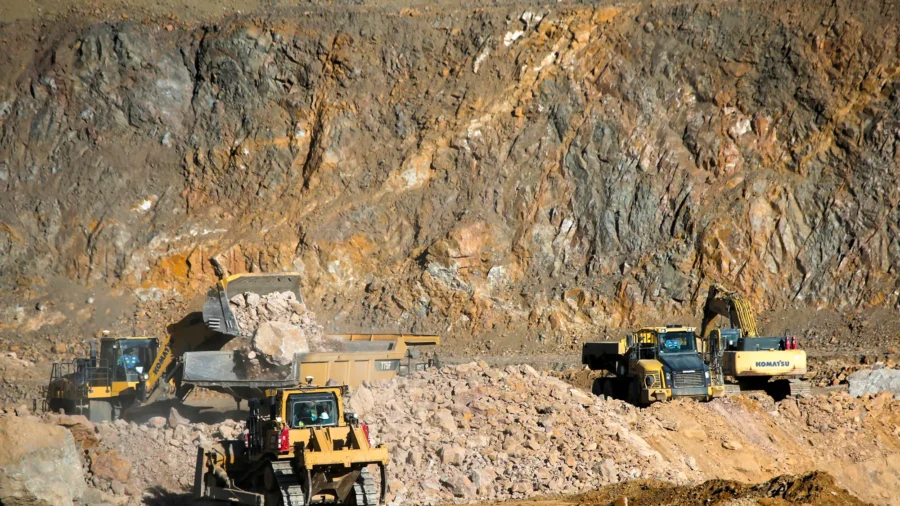
Rare-earths developer NioCorp Developments is joining forces with defense contractor Lockheed Martin to develop advanced scandium applications, backed by the Pentagon.
No additional details on the project were released.
The Pentagon is providing $10 million under Title III of the Defense Production Act to support the development of a domestic scandium supply chain, anchored by NioCorp’s Elk Creek Critical Minerals Project in southeast Nebraska.
NioCorp’s unit is producing the nation’s first polymetallic deposit to bolster production of various critical minerals, including scandium, niobium, titanium, and light and heavy magnetic rare earth oxides.
Scandium is typically associated with rare earths and is used to enhance aluminum alloys for aerospace, defense, and energy applications.
Now that U.S. officials are trying to reverse the decades-long trend, Mark Smith, NioCorp CEO and chairman, called the program a "game changer."
"When NioCorp comes online to produce approximately 100 tonnes per year of scandium oxide—after being 100 percent dependent upon foreign producers for so many years for our scandium—that will be a game changer for both U.S. defense and commercial applications," Smith said in a news release.
Shares of NioCorp slipped 2 percent on Oct. 23, but the stock remains up more than 400 percent this year.
The current administration has employed a multifaceted strategy to boost domestic rare-earth mining and reduce reliance on markets such as China.
President Donald Trump signed an executive order in March to streamline the permitting process for mineral production and prioritize mining on federal lands.
The United States has also reached agreements with foreign governments, including Australia, Pakistan, and Ukraine.
Senior administration officials, including Treasury Secretary Scott Bessent, say the president could also employ other industrial policy measures to compete against nonmarket economies like China.
"So we’re going to set price floors and the forward buying to make sure that this doesn’t happen again, and we’re going to do it across a range of industries."
The White House could establish a strategic mineral reserve comparable to the strategic petroleum reserve or the strategic crypto reserve, Bessent noted.
Ultimately, Trump believes these efforts will yield vast supplies of rare earths and critical minerals.
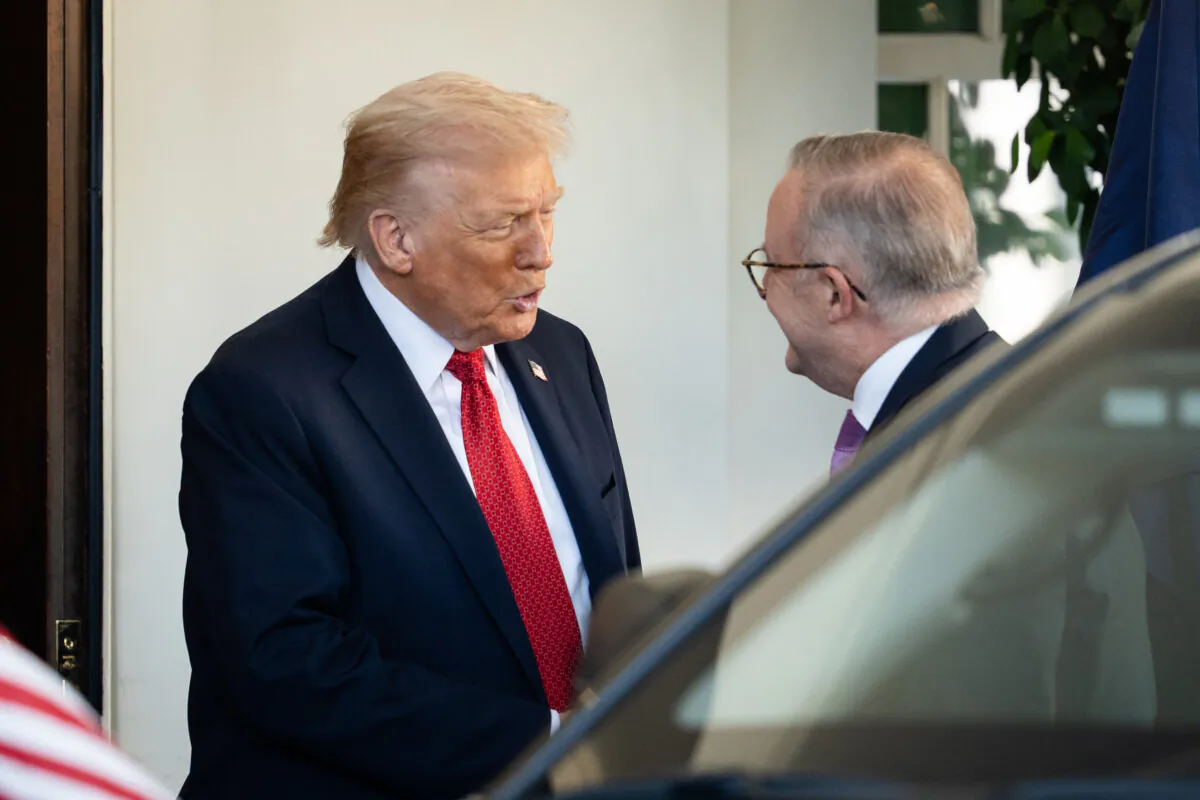
“In about a year from now, we’ll have so much critical mineral and rare earth that you won’t know what to do with them," Trump said at a bilateral meeting with Albanese. "They’ll be worth $2.”