


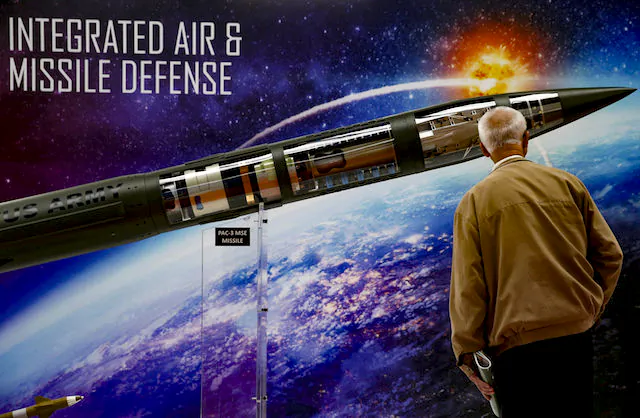
U.S. defense contractor Lockheed Martin on July 20 introduced a lower-cost Patriot interceptor called the PAC-3 Adapted Capability Effector (PAC-3 ACE).
The company said the new interceptor will cost less than half as much per unit as its current flagship missile, the PAC-3 MSE.
According to the U.S. Army's fiscal 2026 budget request, it includes funding for 224 PAC-3 MSE missiles at a unit cost of $3.871 million, including the missile itself, supporting hardware, and production resilience measures.
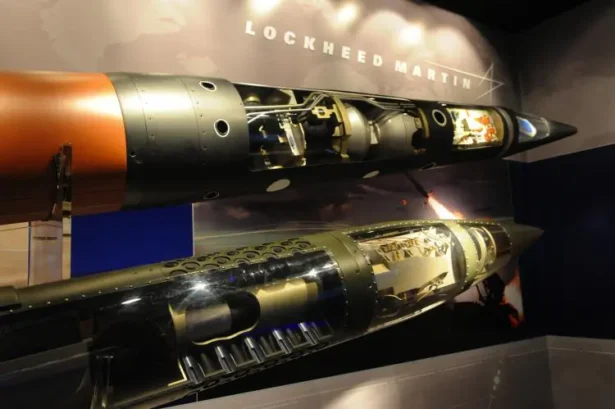
Lockheed Martin said the new interceptor is built on the same guidance system as its pricier sibling.
Engineers reused the PAC-3 fire-control software, and the missile links directly into the existing Patriot system and the Integrated Battle Command System, a network that connects different air-defense weapons so they can share targeting data.
Lockheed Martin said the PAC-3 ACE is intended to shorten development and testing, allowing production to begin faster than with a traditional missile program.
Defense Production
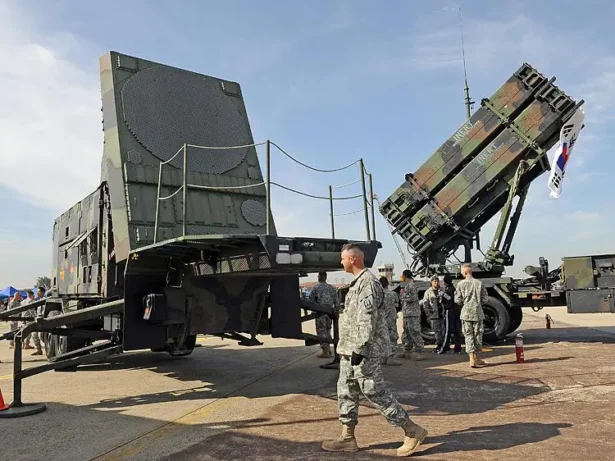
The launch follows several years of rising demand for Patriot interceptors as the United States and its allies replenish stockpiles and respond to growing missile and drone threats.The Patriot system has been widely used to defend against ballistic missiles, cruise missiles and aircraft, including in Ukraine and the Middle East.
Lockheed Martin has also announced several partnerships this year aimed at increasing defense manufacturing capacity in the United States and Europe.
On July 7, it signed a memorandum of understanding with the German arms manufacturer Rheinmetall to establish the first European production center for the Army Tactical Missile System (ATACMS).
The companies said the agreement, supported by the U.S. and German governments, is the next step toward creating a joint venture to manufacture, integrate, and distribute ATACMS missiles for NATO members and allied European countries.
"By combining Lockheed Martin's unmatched missile expertise with Rheinmetall's manufacturing excellence, we'll deliver combat-proven capabilities faster and more efficiently to our allies," Lockheed Martin International President Jay Pitman said.
Earlier this year, Lockheed Martin also expanded its U.S. manufacturing partnerships.
The companies said they would combine Lockheed Martin's defense production expertise with GM Defense's high-volume manufacturing capabilities to strengthen defense supply chains, shorten production timelines and adapt commercial production methods for military equipment.
Frank St. John, Lockheed Martin's chief operating officer, said the company's ability to expand production is as important as developing new technologies.
He said the partnership would bring together "two leaders in American manufacturing and innovation" to strengthen the U.S. defense industrial base, expand production capacity and speed up the delivery of military equipment for the United States and its allies.
Lockheed Martin says it develops defense technologies across the air, land, sea, space and cyber domains, including systems for the U.S. government's proposed Golden Dome missile defense shield.