


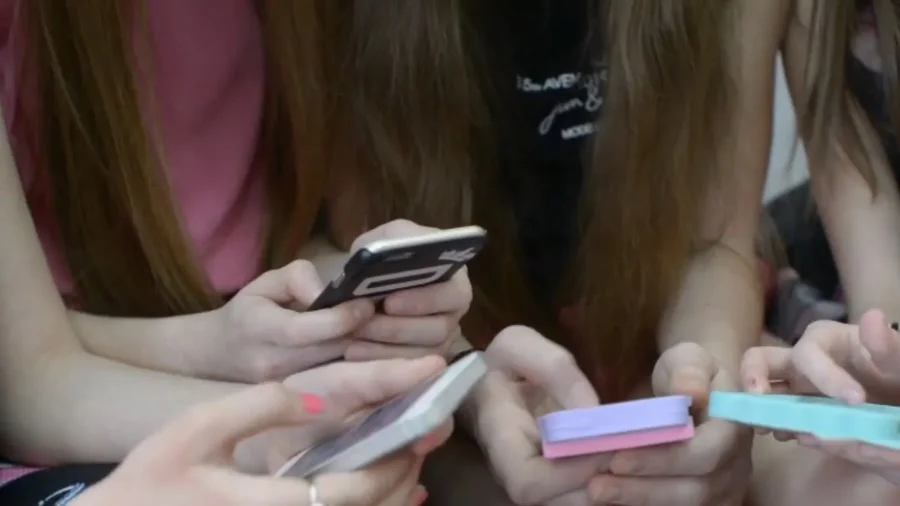
The law instructs the state Commissioner of Education to issue clear guidelines restricting student use of personal devices during school hours, on school buses, and at school events.
Murphy said the policy is intended to enhance learning and reduce classroom distractions.
“Teachers report that students are more focused, less anxious, and they are socializing and laughing with each other—not through a screen,” Murphy said, referencing schools that already have phone-free policies. He added that removing “needless distractions” will help students be more attentive and engaged.
“This is a sensible policy that will make a world of difference for our children,” he said.
New Jersey’s Governor-elect Mikie Sherrill, who will take office at the end of January 2026, praised Governor Murphy’s efforts. “Our young people are facing a mental health crisis—but we all know that when children put the screens down, their mental health and academic results improve,” she said. “I look forward to implementing this important legislation and continuing to make progress on kids' online safety and holding Big Tech accountable for the content they push toward our kids.”
Each board of education in the state is required to develop local policies that align with the new statewide ban on the non-academic use of personal internet-enabled devices on school grounds throughout the school day.
The law also includes a Phone-Free Schools Grant Program with $3 million in funding to help districts implement bell-to-bell restrictions by purchasing storage pouches or training staff.
Cellphone Bans and Cellphone Risks
An increasing number of states across the U.S. have been enacting laws and policies to limit cellphone use in schools, reflecting growing concern over the impact of digital distractions on learning and student well-being.Researchers found that 12-year-old children who had smartphones faced a 1.3 times higher risk of depression, a 1.4 times greater risk of obesity, and a 1.6 times increased risk of inadequate sleep compared to their peers without smartphones.
The study also found that children who received a smartphone at age 13 experienced poorer mental health and lower sleep quality compared to peers without phones. Notably, the risk grew with earlier exposure: for each year younger that a child received a smartphone—starting as young as age four—the likelihood of negative outcomes increased by approximately 10 percent.