


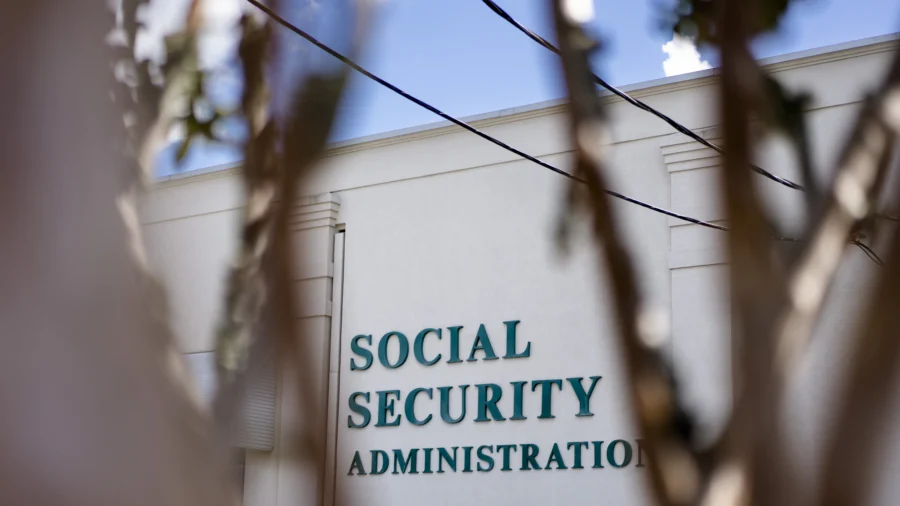
Supplemental Security Income (SSI) is often a financial lifeline for people who cannot work due to age or severe disability. Some 7.4 million Americans receive SSI and the average federal benefit rate is $967 for an individual and $1,450 for a couple, according to Social Security Administration (SSA) data.
A proposed rule would reverse a 2024 policy update that recognizes food stamps, also known as SNAP benefits, as a threshold that defines public assistance households.
The loss of the marker is alarming to some experts, including Certified Financial Planner™ Jay Zigmont, who believes the change will likely put many people who are blind, disabled, over 65 years old, and who have limited resources in a precarious position.
“What the administration is arguing is that if people on SSI are getting any support from anyone, their benefits should be cut,” Zigmont told NTD. “We don't have a social support system that can handle this. It means people on SSI will have to struggle more to even pay for basic housing and food.”
A report by the Center on Budget and Policy Priorities estimates that removing SNAP benefits as a qualifying form of public assistance would likely result in benefit cuts for more than 275,000 people and loss of eligibility for another 100,000.
SSI beneficiaries in every state would be affected, with the largest numbers in California at 57,600, 35,900 in New York, 30,800 in Florida, and 23,600 in Texas, according to the study, which was written by Kathleen Romig and Devin O’Connor.
“The SSA should strengthen the 2024 rule recognizing SNAP participation as a valid indicator of need,” DisabilityGuidance.org co-founder Colin Ruggiero told NTD. “Instead of rolling back protections, the government should focus on modernizing benefits criteria to reflect current economic realities and reduce poverty.”
The study further found that the rule could discourage families from offering help to their loved ones, for fear of jeopardizing their SSI benefits, and could force more people to turn to institutional care because they can no longer afford to live in their community.
“This change would ignore the reality that families who receive SNAP have very low incomes—the typical multi-person SNAP household with at least one member who receives SSI has an annual income of around $17,000, well below the poverty line,” Romig and O’Connor added.
The views and opinions expressed are those of the interviewees. They are meant for general informational purposes only and should not be construed or interpreted as a recommendation or solicitation. NTD does not provide investment, tax, legal, financial planning, estate planning, or any other personal finance advice. NTD holds no liability for the accuracy or timeliness of the information provided.