


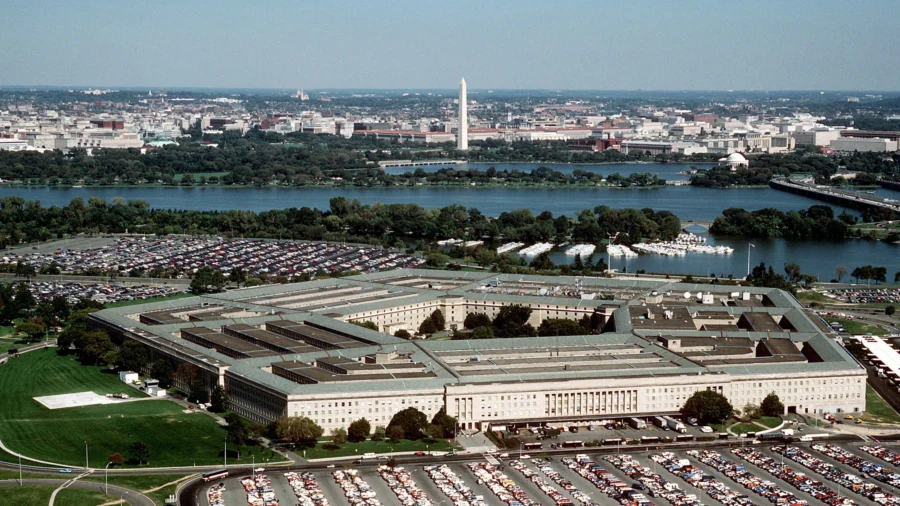
The Pentagon has enacted new restrictions on journalists covering the Department of War, requiring reporters to sign pledges limiting their ability to report unauthorized information and mandating special IDs.
According to a Sept. 18 memorandum, all press members issued Pentagon Facility Alternate Credentials must now read and sign new forms outlining information security requirements and physical control measures.
The policy takes effect immediately for resident media members through Sept. 30, with non-resident journalists and crews beginning the new process on Oct. 1.
The new credentials will display "PRESS" in red letters both vertically and horizontally to identify journalists. The restrictions also confine reporters to limited areas within the Pentagon and require escorts when accessing spaces outside designated zones.
"This policy reeks of prior restraint—the most egregious violation of press freedom under the First Amendment—and is a dangerous step toward government censorship," the organization said in a Sept. 20 statement.
The National Press Club also criticized the move, with President Mike Balsamo stating the Pentagon is demanding journalists "sign a pledge not to obtain or report any information—even if unclassified—unless it has been expressly authorized by the government."
"This is a direct assault on independent journalism at the very place where independent scrutiny matters most: the U.S. military," Balsamo said.
Both organizations called for an immediate end to the new policies.
The Pentagon memorandum outlines multiple documents provided to journalists during the new briefing process, including denial and revocation procedures for credentials, physical control measures, and graphics showing restricted areas within the building.