


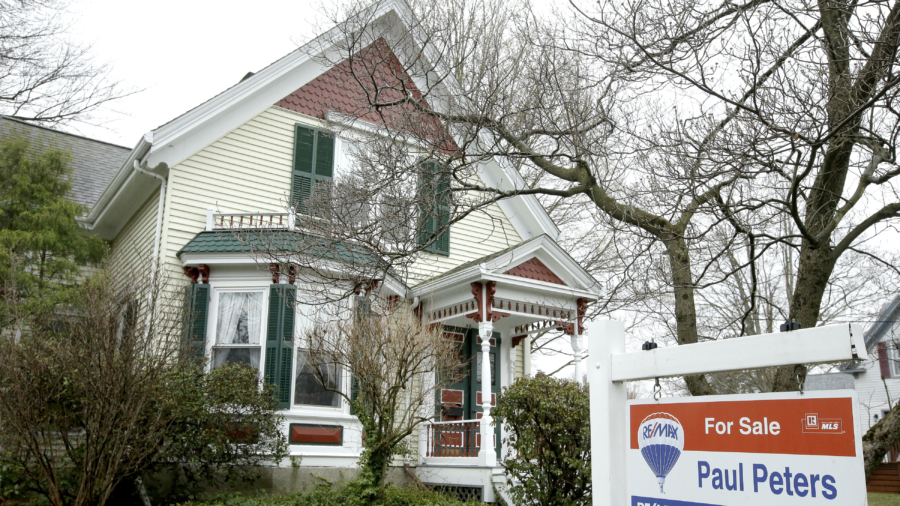
A new study reports that most Americans don't make enough money to purchase a home as the cost of housing continues to grow.
Income disparities are equally expansive across the board. Massachusetts adults earn an annual median income of $99,858, which is almost twice the median income in Mississippi, which stands at $54,203, according to Clever.
Additionally, just two U.S. metropolitan areas provide the income needed for residents to qualify for a median-priced property: Detroit, Michigan, and Pittsburgh, Pennsylvania. The “least affordable” cities for homebuyers are all in California, with San Jose, San Francisco, Los Angeles, and San Diego topping the list.
Why are U.S. homes so expensive in 2025? Clever points to rising homeowners insurance and skyrocketing property taxes as the main culprits, bringing more cost imbalances to the housing markets.
For example, Delaware's median-priced home sits at $359,000, which is higher than in Texas, where the median home price is $348,000. Yet the income needed to buy a middle-class home with a 20 percent down payment in Delaware is only $90,446. In Texas, that annual income figure rises to an average of $111,144 because of higher insurance costs.
Higher property taxes can also curb home purchase opportunities. West Virginia and Louisiana median home prices are fairly even, at $248,000 and $251,000, respectively. Yet, Louisiana residents face annual estimated homeowner insurance costs of $3,468 compared to West Virginia, which averages $834 in yearly home insurance premiums.
Thinner U.S. home inventories are another barrier for homebuyers.
Buyers Could Get Some Relief
There are signs the homebuying market is shifting in favor of buyers.One example is the Denver, Colorado, real estate market, which is softening this spring as more inventory is becoming available. “I’m seeing more and more transactions below asking price,” said Adam P. Smith, president at The Colorado Real Estate Finance Group, by email to NTD. “I’m also seeing more and more in the way of seller concessions. I would not go so far as to say it’s a buyer’s market, but it’s the most favorable for the buyer in a very long time.”
Smith advises people having trouble raising the needed down payment for a new home this summer, and who don’t currently own a house with decent liquidity, to apply some creativity to the issue.
“There are 3 percent conventional programs, 3.5 percent government programs, and most common would be 5 percent down on a conventional loan with VA and USDA grant and loan assistance programs,” he said. “In addition, you can always ask a seller to help. They can pay closing costs so you can get a lower rate and need less money to close. There are plenty of opportunities for a buyer to get help from a seller, and we are seeing more of that all the time.”