

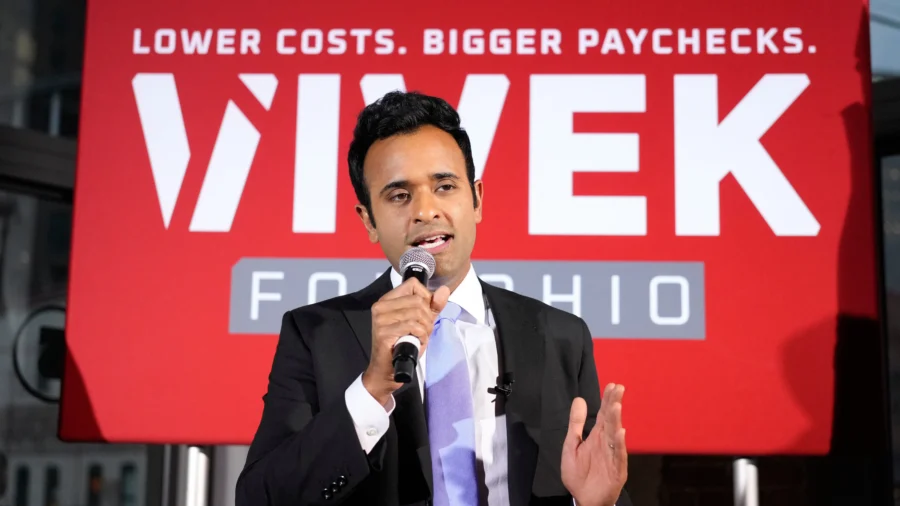
COLUMBUS, Ohio—Former presidential candidate Vivek Ramaswamy glided to victory in the Ohio GOP primary election for governor, solidifying the predicted Nov. 3 General Election showdown between him and the uncontested Democratic nominee, Dr. Amy Acton.
Ramaswamy defeated a political newcomer, Toledo automotive entrepreneur Casey Putsch. The Associated Press called the race at 7:42 p.m. ET, with Ramaswamy holding a 70-point lead.
Rather than attacking Putsch or responding to his criticisms, Ramaswamy has kept his campaign messaging focused on his agenda—emphasizing his plans to eliminate or reduce taxes—a message that resonated with several Ramaswamy voters whom The Epoch Times interviewed in the Columbus area.
Randy Tarrier, who attended a Ramaswamy town hall in a northern Columbus suburb on May 4, called Ramaswamy “one of the most original candidates that I have seen in a while.”
“I like the fact that he is looking at rolling back income taxes, at least for seniors—and property taxes, possibly for people who have paid off their own homes,” Tarrier said. “So, I think that's a very good place to start.”
Tarrier’s wife, Debra Tarrier, commented: “He's so approachable on all different issues. He's such a smart guy. He's very successful, and I think he can correct a lot of the issues we’re facing in Ohio.”
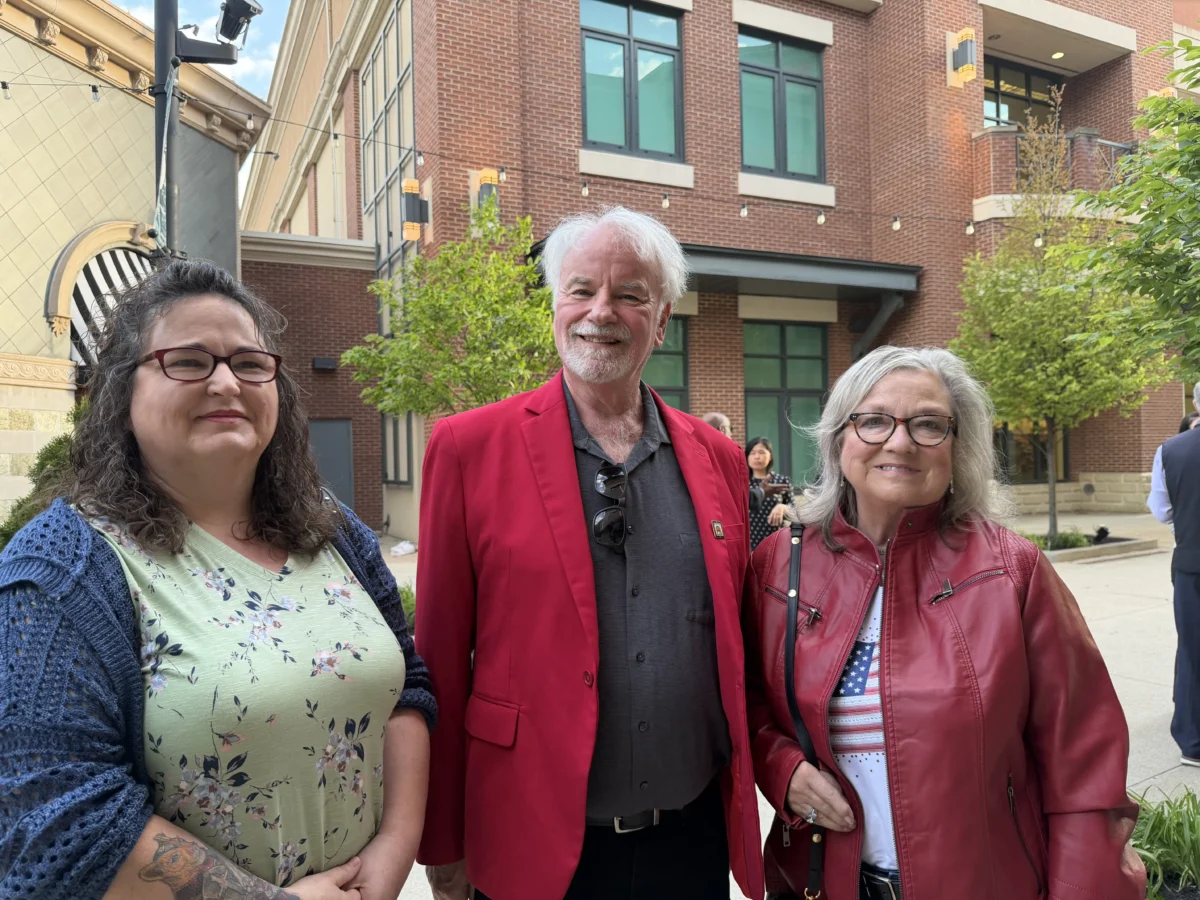
Her platform calls for tax credits and tax cuts, her campaign website states, along with lowering health care costs, helping people stay on Medicaid, and forgiving medical debt.
Voters and Ramaswamy have also raised Acton's prior performance as Ohio's health director during the COVID-19 pandemic as a significant issue. The divide over Acton's COVID reaction appears to fall largely along party lines—with Republicans mostly opposing stringent restrictions and Democrats favoring them.
That persistent partisan polarization around COVID—more than six years after the pandemic started—reflects a national trend. Last year, the Pew Research Center found 60 percent of Democrats were then worried that COVID was not being taken seriously enough—a view held by only 20 percent of Republicans at the time.
Voters in the working-class Columbus area of Driving Park told The Epoch Times they voted for Acton because they liked the way she handled the pandemic.
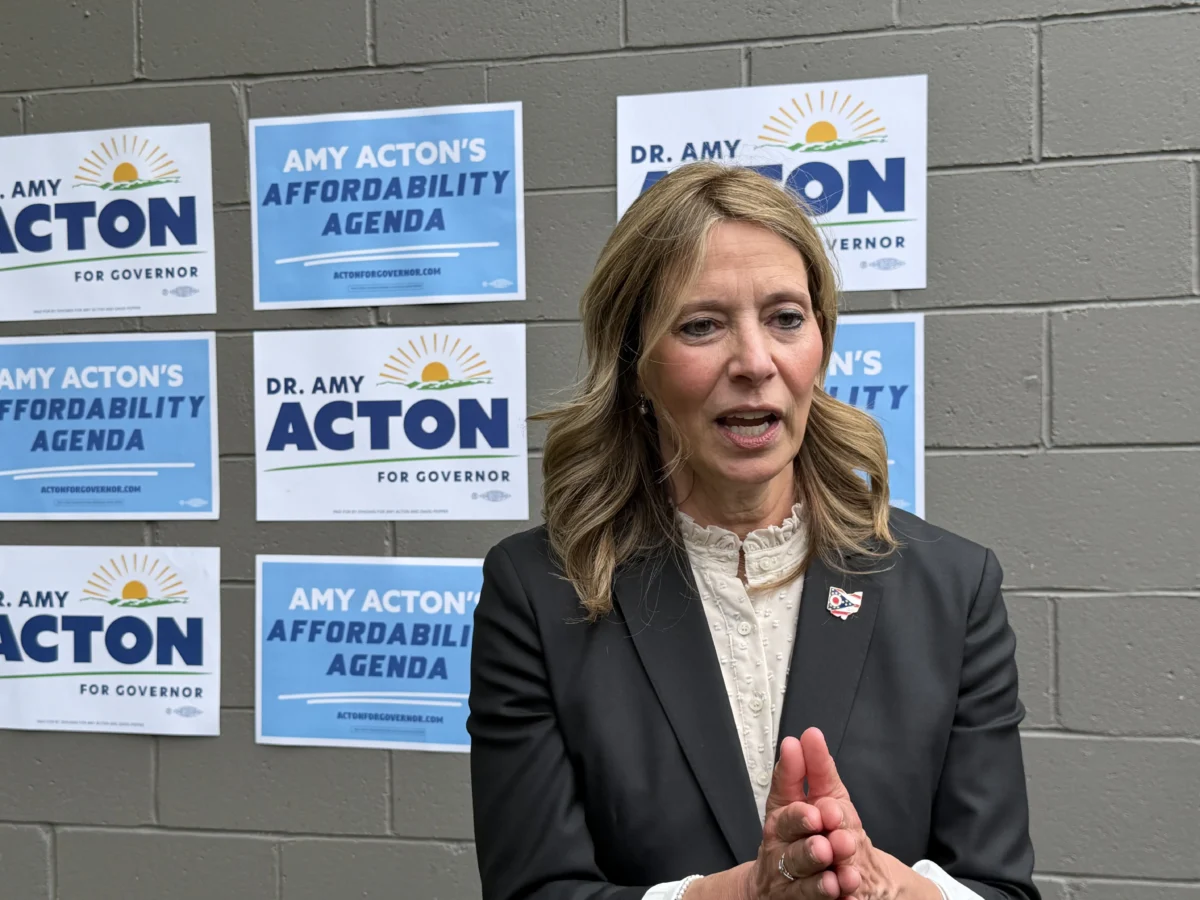
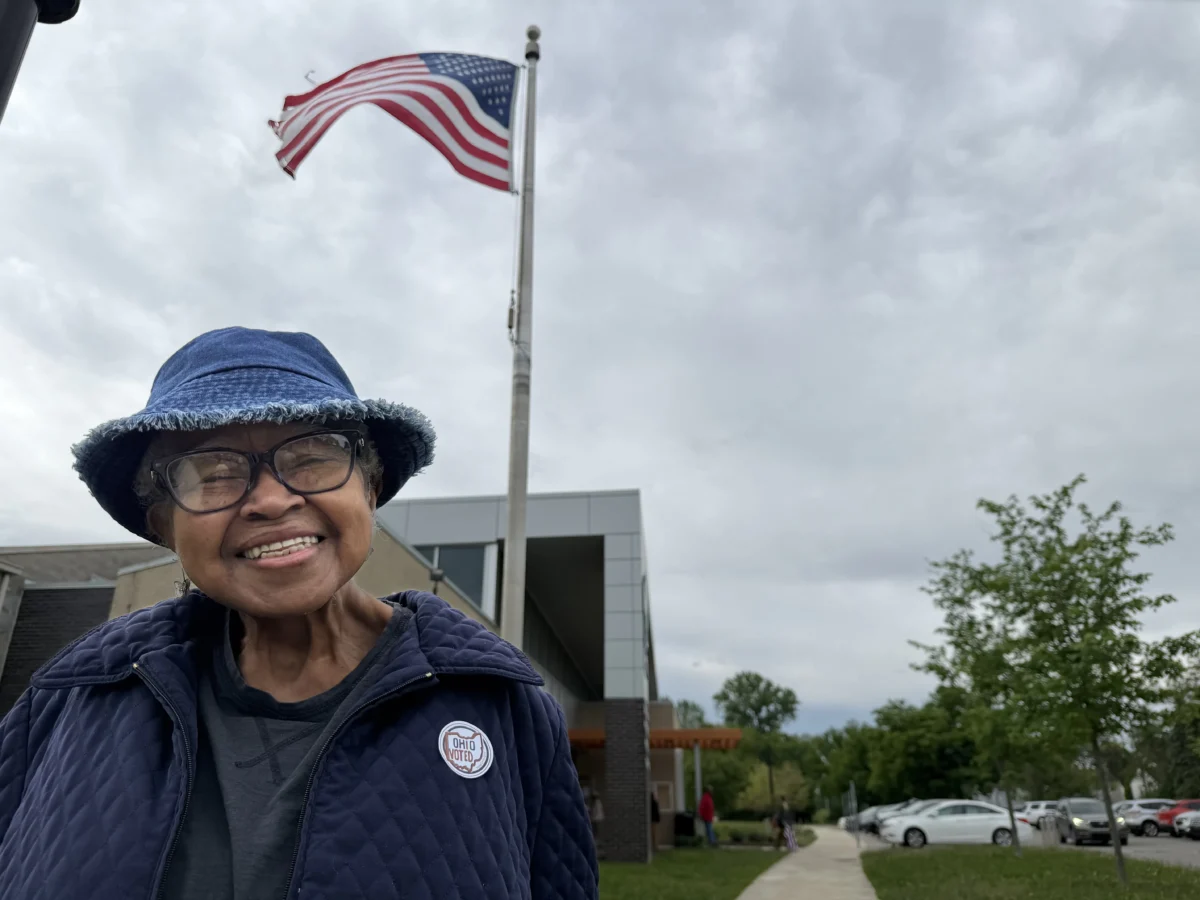
Janice Wicker, 83, told The Epoch Times she voted for the former health director because “I think she will be fair. She was fair during COVID, and they shut her down because she was telling the truth.”
Acton faced death threats and an armed protest in her front yard over her decision to sign DeWine’s restrictions that kept residents and businesses shuttered for about five weeks.
In the run-up to the primary, both Putsch and Acton described themselves as more relatable for everyday citizens than Ramaswamy, a self-made billionaire.
Ramaswamy’s campaign has responded that he will talk to anyone—and that his business successes prove that he knows how to lead, create jobs, and make wise decisions.
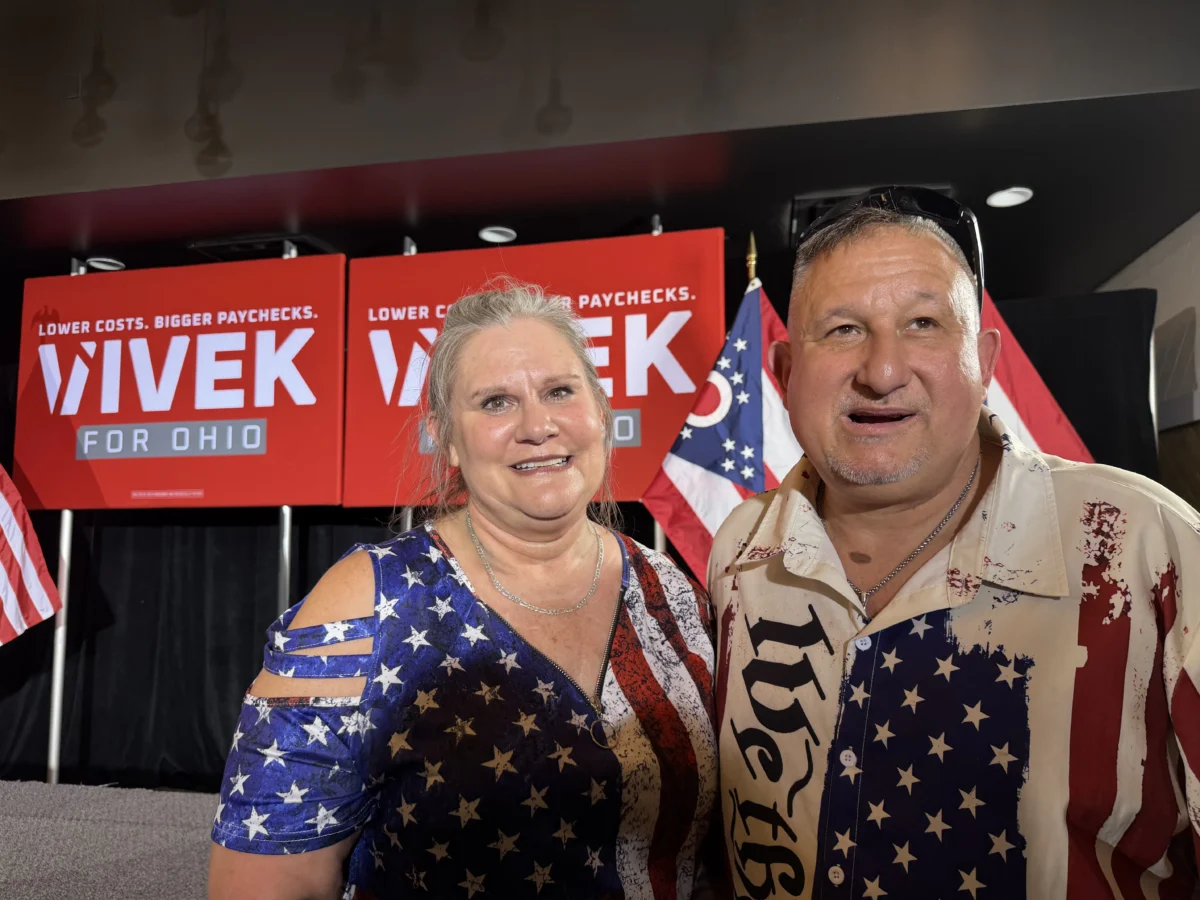
A biotech businessman, Ramaswamy left his role with President Donald Trump’s Department of Government Efficiency to seek the governorship; Trump has endorsed Ramaswamy.
Ramaswamy supporter Sean Chansler, 55, of Dayton, Ohio, told The Epoch Times after a town hall with Ramaswamy: “A politician can tell you this or that, but he's got a mapped-out plan—and that's what stood out to me.”
At that event, Ramaswamy emphasized that he disagreed not just with Acton's COVID policies, but also with her decision-making process.
He argued that Acton should have “had the intellectual curiosity” to investigate: “Does this [virus] affect children differently than old people?” Probing for that answer would have revealed that children were less vulnerable to the virus and therefore could have safely returned to school sooner, Ramaswamy said.
Acton told reporters at an east side Columbus gathering on May 4: “I'm proud of the work we did in COVID, alongside Gov. DeWine, who absolutely was the person in charge.
“He—we—flattened the curve,” she said. Health officials commonly used that phrase in 2020 to describe how complying with rules such as mask-wearing would reduce the rising tide of infections.
“We saved a lot of lives, and we opened earlier, and got back to life sooner, because we took swift and decisive action, working with experts,” Acton said.
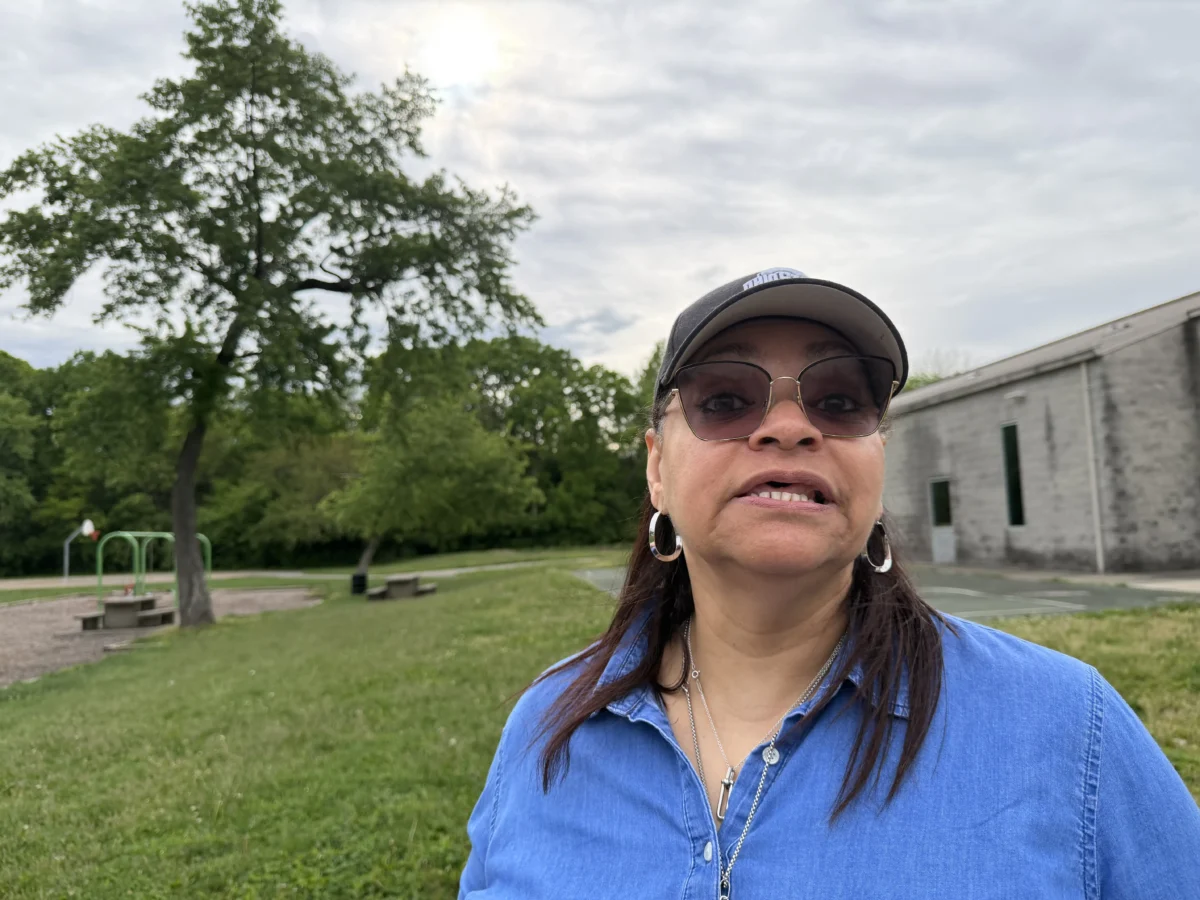
Vicki Evans-Long, a nine-year Driving Park resident, commended Acton for her demeanor while handing the COVID crisis. “I think she cared ... She was concerned, and that's what we needed,” the voter told The Epoch Times.
At age 59, Evans-Long said she thinks more about health care policies now. “I'm worried about Medicare, getting closer to retirement,” the voter said.
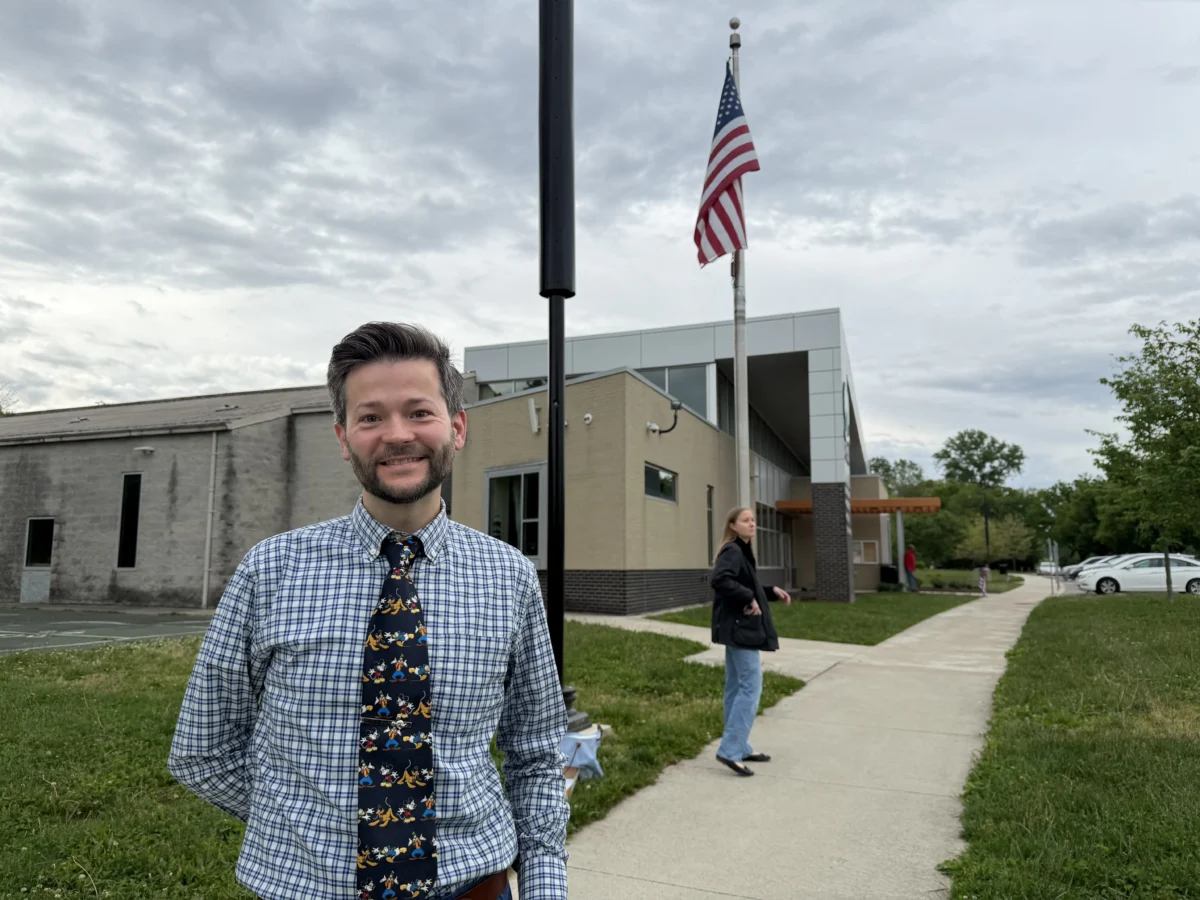
Jesse Caton, an event planner who stopped by to vote wearing a necktie patterned with Disney cartoon characters, said Acton appeals to him as “someone that's running for Ohioans and the working-class family—just making sure that ... our voices are heard.”
When he met Acton in person a couple of times, Caton said he used those opportunities to express “appreciation for everything that she stood for in COVID.”
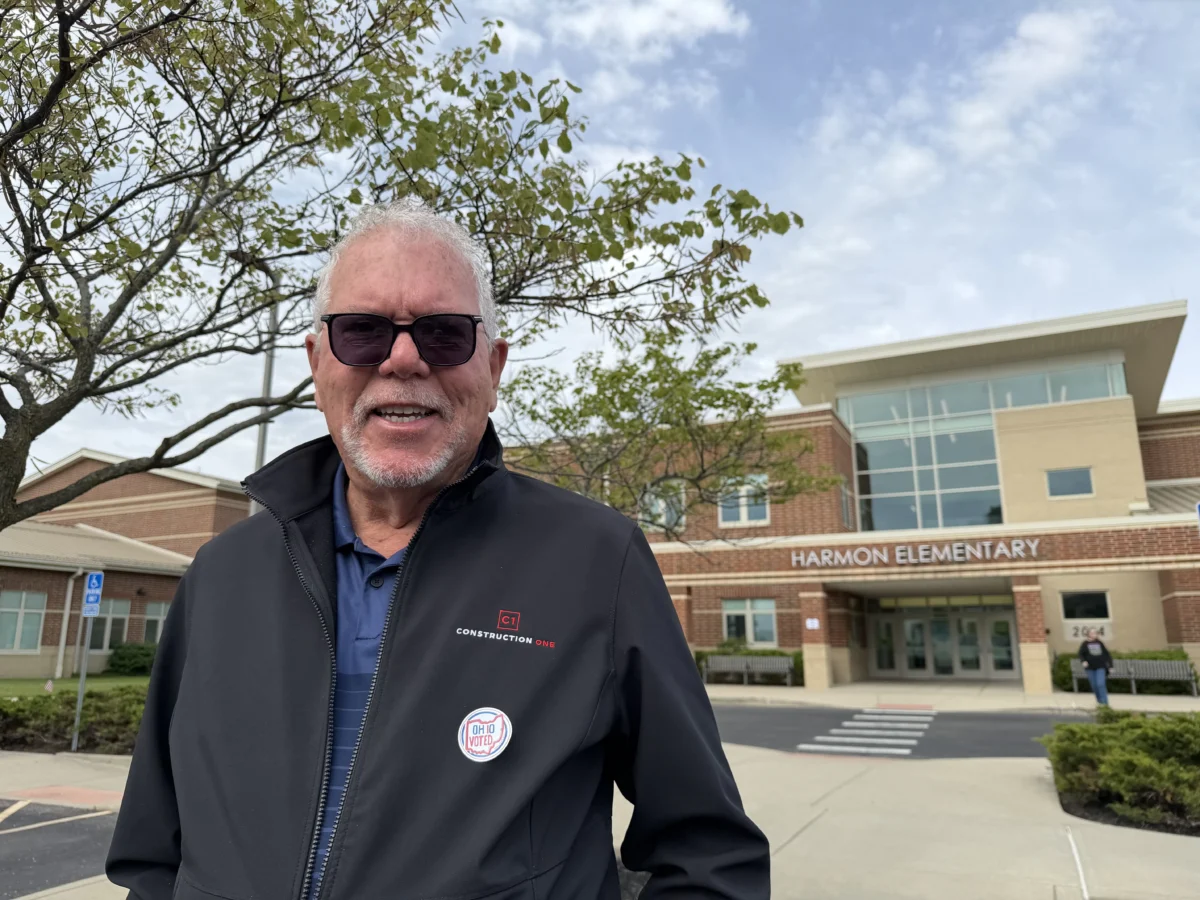
After casting his ballot at Harmon Elementary School in Grove City, a suburb just south of Columbus, Ramaswamy voter Mark Shy said he considers himself a political moderate who can see that Acton has some strengths too.
Asked to discuss his voting rationale, Shy said that might seem simple—but it isn’t.
“I’m 72, and it's confusing now—the whole process. ... I don't trust the process,” Shy said.
He and his peers grew up in the Vietnam War era, which he said was “a time of ‘distrust the government.’”
“And it feels like that more right now,” Shy said.
Being older, “you have a lot of time to walk, and pray, and all those things,” Shy said, which is why he gave more than just a “rah-rah” cheerleader-type answer about his vote.
Shy said Ramaswamy’s tax policies really appeal to him.
As retirees on fixed incomes, he and his wife worry about “being priced out of our home” by taxes, Shy said.
He called Acton a “qualified candidate” because she is a medical doctor, but said, “I just don’t know how much practical application she has.”
Shy, who owned his own general-contracting business, said he has confidence that Ramaswamy’s business experience taught him how to make solid executive-level decisions. He doesn’t have that same level of confidence about Acton.
However, Shy said, “She's got some points to be made. So I don't think Ohio loses if she wins.”
Acton, a native of Youngstown, Ohio, chose a running mate with strong ties to Cincinnati—Ramaswamy’s hometown. David Pepper formerly served as a Hamilton County commissioner and Cincinnati city councilman. He also made two unsuccessful attempts to win statewide offices: attorney general and treasurer.
Ramaswamy’s lieutenant governor choice is a man with detailed knowledge of how the state government works in the capital, Columbus: Ohio Senate President Rob McColley.
Ramaswamy’s financial standing enabled him to contribute $25 million toward his campaign. He had almost $31 million on hand after spending about $12.6 million, a pre-primary campaign finance report shows.
During the second half of 2025, Ramaswamy’s war chest grew by nearly $10 million—an amount that excludes any of his personal funds, his campaign said early this year.
Pre-primary cash available for Acton totaled about $5 million, after expenditures of about $3.3 million. Her campaign asserted that contributions were rising, with “clear momentum and support from every corner of the Buckeye State.”
Putsch’s report showed he had less than $9,000 on hand after spending about $94,000.