


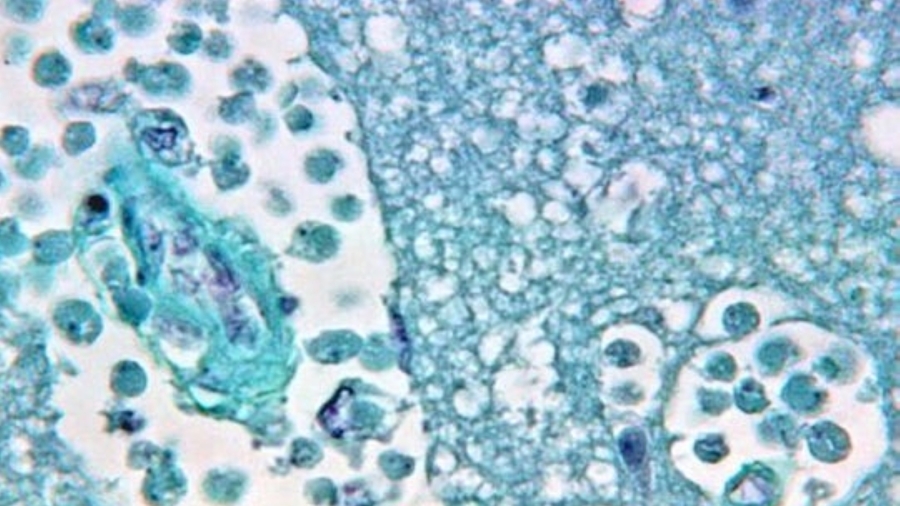
A central North Carolina teenager is receiving medical care for an exceptionally rare infection caused by Naegleria fowleri, an amoeba that can enter through the nose and attack the brain.
“While these infections are very rare, this is an important reminder that this amoeba is present in our state and across the U.S. There are steps people can take to reduce their risk of infection while swimming during the warmer months.”
The teen is critically ill and remains under medical care, the department said. Officials are investigating the source of the infection but have not disclosed where the teen may have encountered the amoeba.
The department said it would not release additional information, including the patient’s identity, to protect the family’s privacy.
An infection occurs when contaminated water travels through the nose and allows the amoeba to reach the brain. Swallowing contaminated water does not cause the infection, and it cannot spread between people. Once in the brain, the amoeba can cause primary amebic meningoencephalitis, or PAM, which damages brain tissue and is almost always fatal.
Initial symptoms generally include headache, fever, nausea, and vomiting. The illness can quickly progress to a stiff neck, confusion, seizures, hallucinations, coma, and death.
Symptoms typically begin about five days after exposure but may appear within one to 12 days, the CDC said. Fewer than 10 infections are generally recorded nationwide each year.
People entering warm freshwater can reduce their risk by holding their noses shut, using nose clips, or keeping their heads above water. Health officials also advise against diving into warm, shallow water, disturbing sediment, or submerging the head in hot springs. Only distilled, sterile, or previously boiled water should be used to rinse the sinuses or nasal passages.