


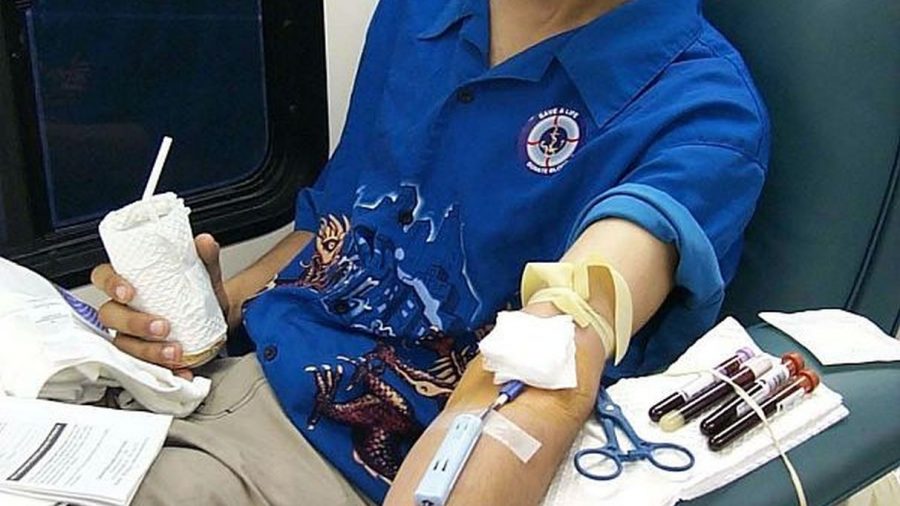
The nation’s largest single provider of blood now has less than a one-day national supply of O positive, the most commonly transfused blood type.
Earlier in the month, the American Red Cross declared an emergency blood shortage after the national blood supply dropped nearly 25 percent in June.
The organization declared the emergency on July 13, saying blood donors are urgently needed to help ensure patients receive lifesaving medical care without any delay.
The period between Memorial Day and Labor Day has been described as the summer trauma season—when the demand for blood often rises because of traumatic injuries. Hospital demand for blood is consistently higher than normal, by roughly 3,500 units per week.
Donations of blood have declined sharply since the end of May.
Busy summer schedules, temporary illnesses, and the seasonal loss of school blood drives during summer break have contributed to the drop in donations. But the Red Cross warns that if the trend continues, it could jeopardize the availability of blood for patients who depend on transfusions. This includes patients facing traumatic injuries, childbirth complications, sickle cell disease, cancer, and other serious medical conditions, who may be at increased risk due to limited blood availability.
In the wake of the shortage, Rep. Tony Wied (R-Wis.) called on Congress to support his legislation called The Boosting Lifesaving Operations, Opening Donation (BLOOD) Ceiiiinters Act.
Wied explained that donors have chosen to give blood at physical locations rather than mobile actions, but overregulation from the Federal Drug Administration (FDA) hinders blood centers’ ability to add new physical locations. The legislation would cut the government red tape and require the FDA to act within 30 days so that lifesaving donations can reach patients quicker.
Meanwhile, the Red Cross said that donors of all blood types are urgently needed this summer. The need is especially critical for O positive and B negative blood, as well as AB plasma, according to the organization.