


PG&E officially denies any connection with the public relations prank.
"There were several social media posts about our former CEO that are simply not true," a PG&E spokesman said in a written statement. "The posts were connected to a fake website that, despite appearances, is not affiliated in any way with PG&E. For official and accurate news and information related to PG&E, visit www.pge.com or www.pgecorp.com"
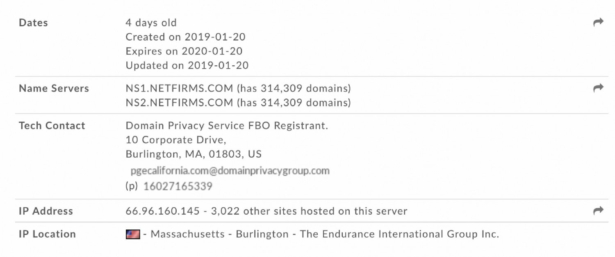
In addition, the media contacts column only has an email address listed while the official site has a phone number for media inquiries and separate contact details for customer service.
The hyperlink is also different. The official website has a longer address embedded under its news room page and news releases index. The fake site has no such history and content is therefore shorter.
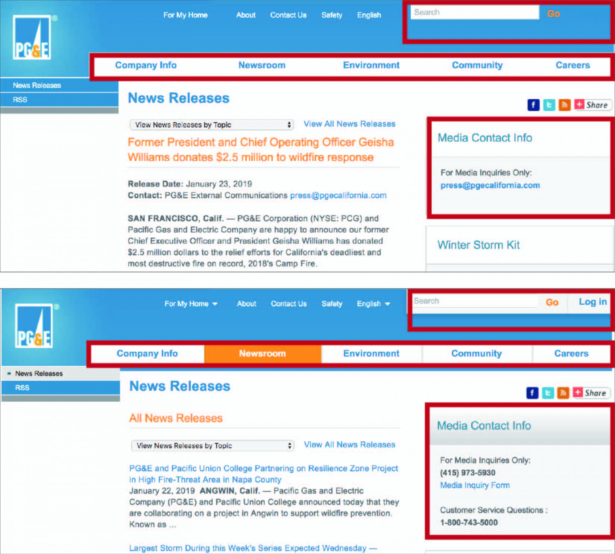
When asked about the incident, Kristen Andrews, Director of Public Relations for The Endurance International Group Inc. replied in an email, "This domain name is registered to a customer who purchased domain privacy service from Endurance, which is why our Burlington address is shown on the whois record. The website has now been disabled."
Spotting a False Press Release
Fake press releases, especially from well-known companies can give journalists and news companies major headaches.Small details like capitalization, language use, and phone numbers can indicate whether the source is reliable.
It is also worthwhile fact-checking information provided. If the written statement is inconsistent with previous general knowledge about a particular company or event, an email or phone call is a good way to help verify the information.