


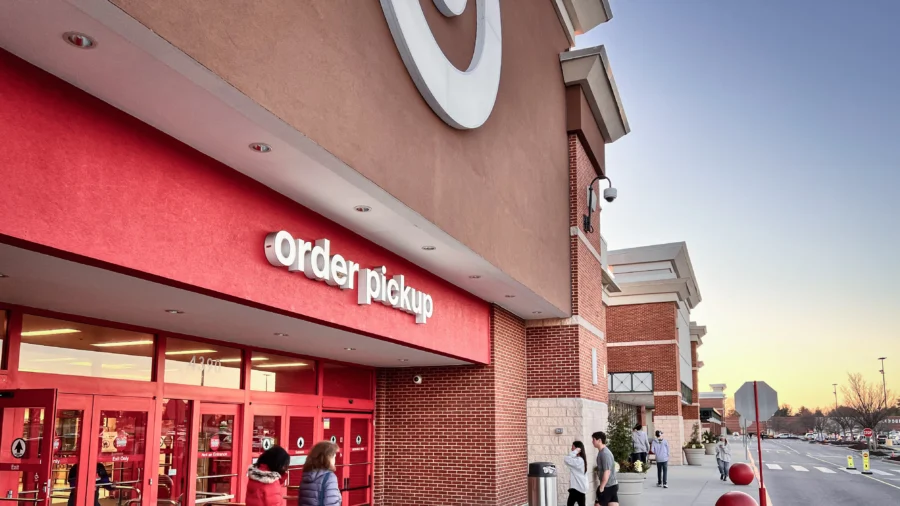
The Minneapolis-based general merchandise retailer, which runs nearly 2,000 stores across the United States, said its sales for the three months ending Nov. 1 dropped to $25.3 billion, down about 1.5 percent from last year.
Target said it expects a low-single digit decline in sales in the fourth quarter.
The company earned $1.78 a share in the third quarter ended November 1, beating analysts’ estimates of $1.72. Profits were boosted by double-digit sales growth in its higher-margin Roundel advertising business.
Target cut the top end of its annual earnings forecast by a dollar to a range of $7 to $8 per share, excluding severance charges and other one-time items.
The retailer said the results met internal expectations.
“Thanks to the incredible work and dedication of the Target team, our third quarter performance was in line with our expectations, despite multiple challenges continuing to face our business,” Target’s incoming CEO, Michael Fiddelke, said.
“As we head into the all-important holiday season, our team is well-prepared and ready to serve our guests with the great products, value, and inspiration they expect from Target,” Fiddelke said.
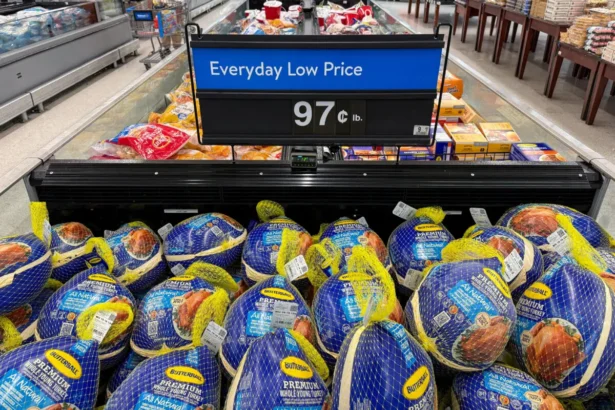
Despite the sales downturn, Target laid out spending plans to revive demand and strengthen its digital infrastructure.
In addition to investing $1 billion in 2026, Target said it will move forward with $5 billion in planned capital expenditures on store remodels, new locations, and enhancements to technology and digital fulfillment systems.
Fiddelke said Target is focusing on “solidifying our merchandising authority, elevating the shopping experience, and further harnessing the power of technology to move at greater pace and consistency, all in support of a return to sustainable growth.”
In October, Target eliminated 1,800 corporate roles, or roughly 8 percent of its corporate workforce, to reduce costs and accelerate decision-making as the company seeks to rebuild a weakening customer base.