


A federal court on Monday dismissed a challenge against a new Texas law that will restrict the ownership of properties by Chinese individuals or entities from September.
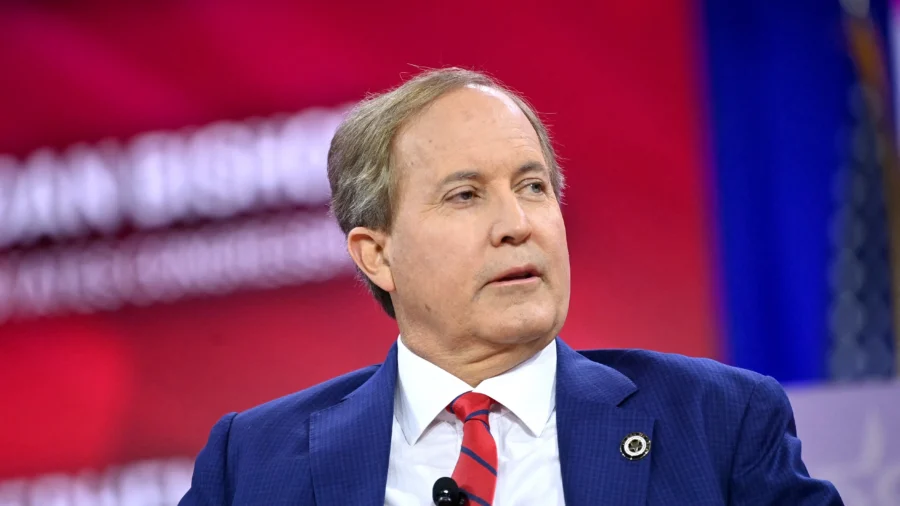
The challenge against Texas Attorney General Ken Paxton over the state’s Senate Bill 17 was brought by two Chinese nationals residing in Texas on student visas.
U.S. District Judge Charles Eskridge dismissed the plaintiffs' complaint that the law is discriminatory and could prevent non-permanent residents from owning or renting a home
Granting Paxton’s motion to dismiss the suit, Eskridge wrote that the law doesn’t apply to plaintiffs Wang Peng and Li Qinlin, who are legal residents of the state, and others in a similar situation.
“And as such, Plaintiffs haven’t and won’t sustain any injury upon eventual enforcement of this new law. Subject-matter jurisdiction in the federal courts is thus lacking,” he wrote.
Under the law, Chinese nationals who are not legally domiciled in the United States are not allowed to buy property in Texas.
The plaintiffs' lawyers said in the complaint that Wang and Li could be considered to be domiciled in China because they do not have permanent residential status in the United States. They argued that the law is vague in its scope, "violates the equal protection and due process guarantees under the U.S. Constitution," and "intrudes on the federal government’s power to superintend foreign affairs, foreign investment, and national security."
In his motion to dismiss, filed on July 30, Paxton said the law doesn't restrict an individual's right based on the term of their visa and doesn't apply to the plaintiffs, who said they plan to remain in Texas and that it is their permanent home.
He also told the court: "There is no state interest in preventing persons who are legally living in Texas as their true home and who possess the desire to continue living and working in Texas in the future from purchasing or leasing real estate. These persons are no threat to the security of Texas or Texans. They are welcome to settle here. Nothing in SB 17 is to the contrary."