


CBP Commissioner Rodney Scott landed in Texas on Sunday night and announced that he would conduct an “on-the-ground evaluation” and meet with stakeholders and local law enforcement about the border wall project.
Earlier this year, the agency scrapped plans for a 30-foot bollard wall but continued pursuing other border security infrastructure, including a new road, lighting, miles of vehicle barriers and fiber-optic cables buried beneath the fences.
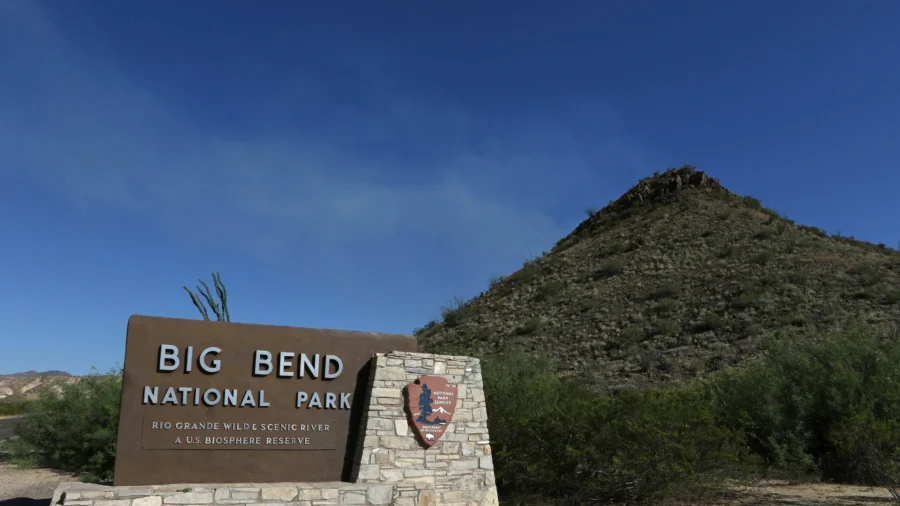
Critics from both parties have pushed back against the border wall in that specific location, warning that the construction could permanently disrupt Big Bend’s remote desert landscape. They have also questioned its necessity and argued that the area’s difficult terrain already naturally limits illegal crossings. Additionally, the region has seen fewer border encounters than other parts of the southern border, with numbers falling further in the past two years.
Sen. John Cornyn (R-Texas) expressed his concerns to Homeland Security Secretary Markwayne Mullin.
“My constituents believe that the 1,000-foot riverbank cliffs and remote Big Bend terrain offers its own source of deterrence for any illegal migrants crossing into the United States. The dangerous terrain includes steep mountains, deep canyons, and expansive deserts which they believe act [as] a natural barrier that limits large-scale movements,” Cornyn wrote.
Rep. Veronica Escobar (D-Texas) has also opposed the border wall project.
Meanwhile, the CBP commissioner said he planned to meet with a small team to evaluate the terrain and discuss the project with local leaders, community members, and stakeholders to ensure border security while protecting the park.
Scott said Sunday evening that he would provide an update on the project in the coming days.