

Trump Admin Reinstates Policy that Limits Green Card Approvals for Immigrants Who Use Government Benefits

The move affects immigrants’ access to programs such as food assistance, Medicaid, housing vouchers, and other forms of government support.
Published: 7/16/2026, 3:59:08 PM EDT
Trump Admin Reinstates Policy that Limits Green Card Approvals for Immigrants Who Use Government Benefits
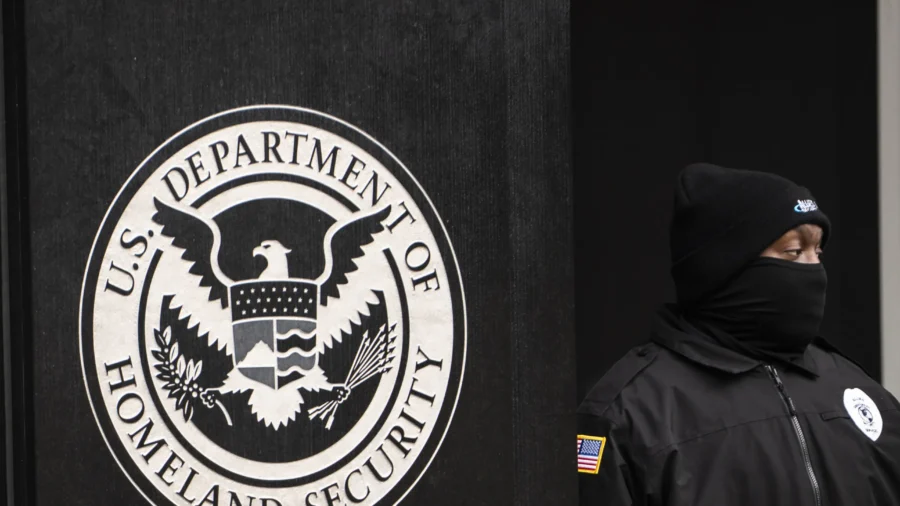
The U.S. Immigration and Customs Enforcement at the Department of Homeland Security in Washington on Feb. 17, 2026.(Madalina Kilroy/The Epoch Times)

The Trump administration is bringing back a policy that could make some immigrants ineligible for green cards if they have used certain public benefits and forms of government support.

Known as the “public charge” rule, the policy appeared in the Federal Register on Thursday.

“Rescission restores broader discretion for [Department of Homeland Security] officers to evaluate all pertinent facts and aligns with long-standing policy that aliens in the United States should be self-reliant and government benefits should not incentivize immigration,” the publication states.

The move affects immigrants’ access to programs such as food assistance, Medicaid, housing vouchers, and other forms of government support. The Trump administration plans to evaluate certain immigrants’ reliance on those taxpayer-funded programs and benefits as part of the green card approval process.

Under the policy, green card applicants must demonstrate that they are unlikely to become a financial burden on the country, or a “public charge.”

U.S. immigration law provides several pathways for individuals to apply for a Green Card, and the eligibility criteria differ depending on the immigrant category through which an applicant seeks permanent resident status.
The rule was originally implemented in February 2020 during President Donald Trump’s first term in the White House, but it was later reversed under President Joe Biden’s administration.

While federal law already requires those seeking permanent residency or legal status to show that they are unlikely to become a public charge, the Trump administration’s rule expands the scope of benefits and programs that could be considered in determining eligibility and potentially disqualify those applying for such government support.

“This final rule is intended to help ensure that those seeking permanent residence are able to support themselves and are not likely to become primarily dependent on public assistance,” U.S. Citizenship and Immigration Services wrote on X. “USCIS is committed to applying the law as enacted by Congress, providing clear guidance, and ensuring consistent, fair adjudications."

The Trump administration first introduced the rule in 2018, arguing that it would ensure that immigrants coming to the United States could support themselves financially.

Immigrant rights advocates have criticized the policy, calling it a “wealth test,” while public health experts warned that it could contribute to poorer health outcomes.

The rule is scheduled for formal publication in the Federal Register on July 20, and will take effect on Sept. 18.

The Associated Press contributed to this report.