


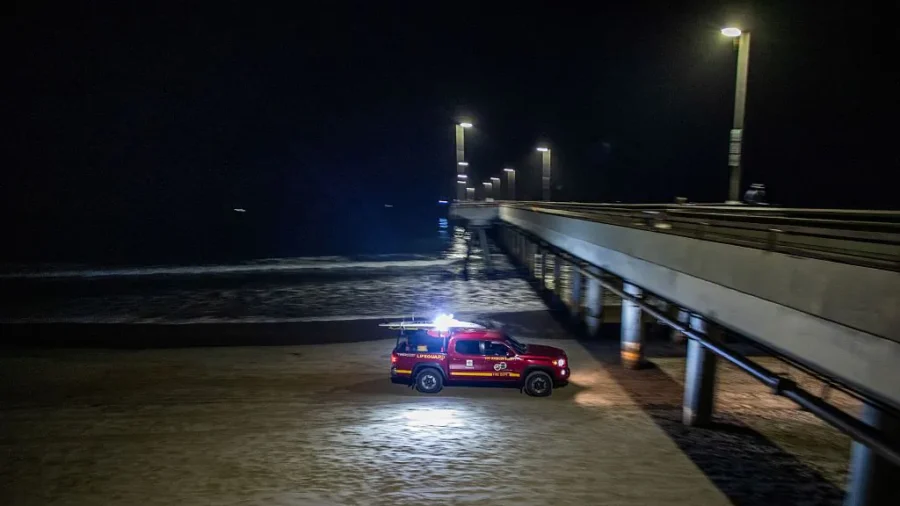
Tsunami advisories went into effect for Alaska, Hawaii, and the west coast of the United States following one of the strongest earthquakes ever recorded off Russia’s Kamchatka Peninsula on Wednesday.
Understanding Tsunami Alerts
Alerts are issued by the tsunami warning centers to notify emergency agencies and the public about the possibility of a tsunami following a tsunami-generating event such as the recent magnitude 8.8 earthquake off the coast of Russia.For U.S. and Canadian coastlines, there are four levels of tsunami alerts: Warning, Advisory, Watch, and Information Statement.
What to Do
Ready.gov, an official website that operates under the Department of Homeland Security, offers instructions on what to do under a tsunami warning.Those under a tsunami warning prompted by an earthquake should first protect themselves from the earthquake by using the "Drop, Cover, then Hold On" method, according to the website.
People should also get to high ground as far inland as possible.
"If you are in a boat, go out to sea," officials advised.
Local emergency officials generally send out text message alerts and phone notifications.
Outdoor sirens were activated in many areas under tsunami warnings and advisories, as seen in the Hawaiian Islands following the major earthquake off the Russian coast.
"Listen to emergency information and alerts, such as a sudden rise or draining of ocean waters, follow the instructions from local emergency managers," officials say.
Weather agencies have stressed that there may not always be enough time for an official warning.
"Do not wait for official instructions," NWS warns.
Residents living in coastal communities should remain vigilant following a strong or long earthquake, a sudden rise or fall of the ocean, or hearing a loud roar from the ocean, which can mean a tsunami may follow. That's when people should take action and move to a safe place.