


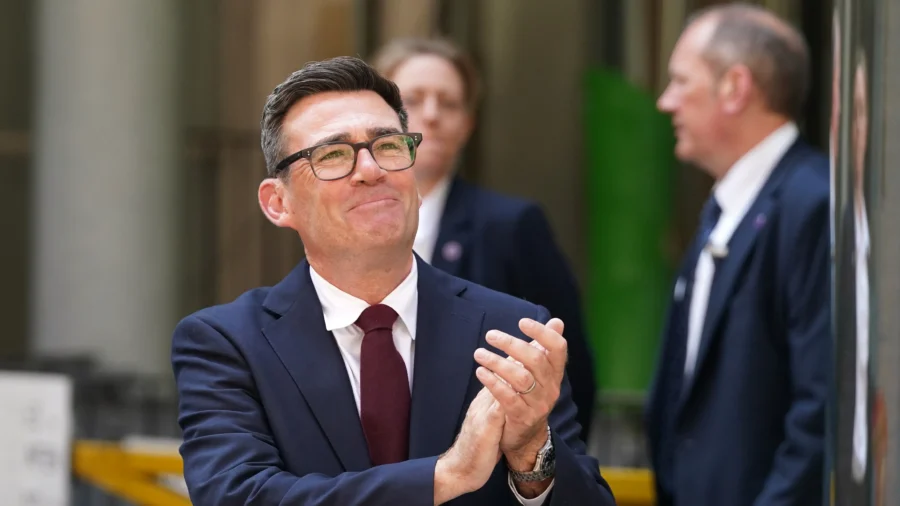
The UK’s incoming prime minister, Andy Burnham, is set to scrap the country’s controversial digital ID plan, which would have been required for residents to prove they were eligible to work.
"All the time and resource that was going to be spent on a national ID scheme will go instead to where it's most needed, such as helping with the cost of living," Burnham's spokesperson said in a statement.
The digital identification cards were initially going to be required for every worker until Starmer dropped the mandatory rule and made it optional in January after the pushback.
More than six in 10 people in the UK were concerned that the government would use the IDs to track their movements, according to a poll released on July 16 by Liberty Human Rights.
The poll shows that 75 percent of people were concerned that their data would be compromised in the event of a cyber attack.
Britain's Office for Budget Responsibility predicted that the program would have cost 1.8 billion pounds ($2.4 billion) from financial years 2026–2027 to 2028–2029.
"This is an opportunity to reset, to refresh, to look at those things that are perhaps not just taking resource but are taking attention away from government priorities," Lucy Powell, a deputy leader of the Labour Party and Burnham ally, said in an interview on the BBC's “Sunday with Laura Kuenssberg.”
Burnham is expected to separately announce plans for oil and gas drilling in the North Sea, according to a post by President Donald Trump on July 19.
“The People of Aberdeen, in Scotland, are dancing in the streets because the new Prime Minister, Andy Burnham, has stated that he will be opening up, all the way, the invaluable North Sea Oil!” Trump wrote in a Truth Social post on July 19.
Trump called it one of the “greatest sources of quality oil on Earth,” saying that it will make the UK “one of the Richest Countries anywhere in the World!”
The Epoch Times has reached out to Burnham for comment.
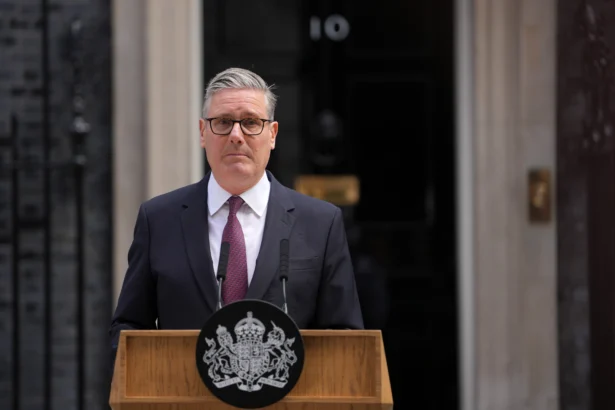
“The question my party is asking now is whether I am best placed to lead us into the next general election,“ Starmer said in his June 22 resignation. ”I have heard the answer of my parliamentary party to that question, and I accept that answer with good grace.”
Burnham will be the UK’s seventh prime minister in a decade.