


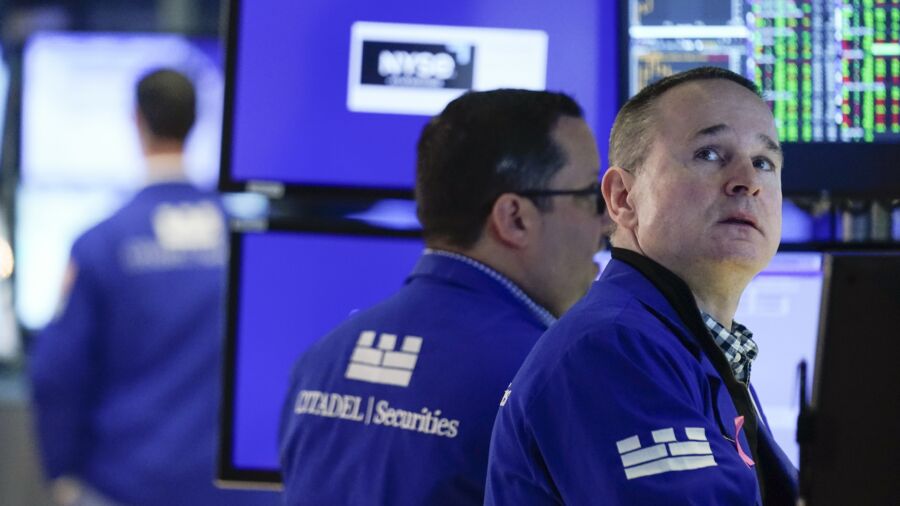
The benchmark 10-year U.S. Treasury yield surged to its highest level in 16 years after the Federal Reserve suggested more rate hikes might be needed to fight “significant upside risks to inflation” in the latest policy minutes.
The overall Treasury market was up across the board. The 2-year yield added 1.1 basis points to 4.991 percent, while the 30-year yield jumped 2.1 basis points to 4.381 percent.
But meeting participants were also cautious about the risks of going too far since monetary policy is already in restrictive territory.
“A number of participants judged that, with the stance of monetary policy in restrictive territory, risks to the achievement of the Committee’s goals had become more two sided, and it was important that the Committee’s decisions balance the risk of an inadvertent overtightening of policy against the cost of an insufficient tightening,” the meeting summary stated.
Since March 2022, the Fed has raised interest rates 11 times for a total of about 500 basis points to a target range of 5 percent and 5.25 percent. The institution held the benchmark fed funds rate steady in June to assess the overall economy and determine if the tightening cycle has cooled economic conditions, tackled inflation, and doused the red-hot labor market.
Heading into the September FOMC meeting, there will be another jobs report and more inflation figures.
Treasury Yields and Interest Rates
Is elevated Treasury yields the new normal? As the bond market continues to touch fresh highs, this is the newest debate in the financial markets.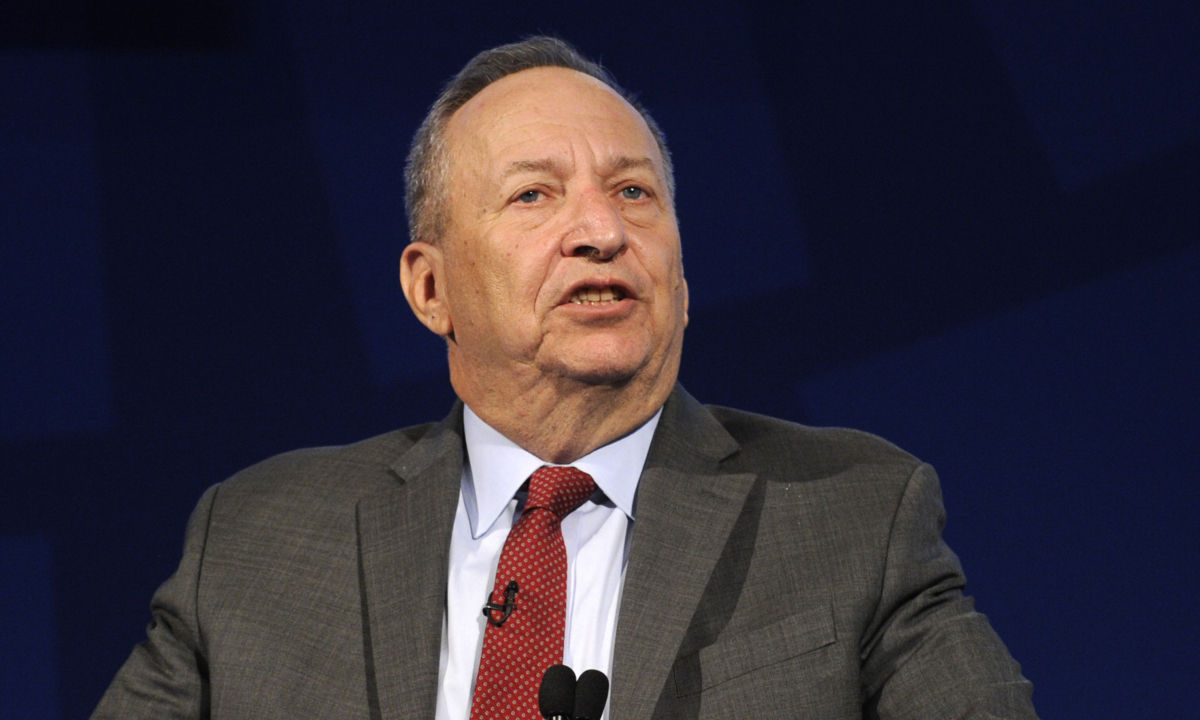
If Mr. Summers’ projections are accurate, it would have a spillover effect on the real economy, especially in the mortgage market.
Mortgage rates generally track the 10-year Treasury bond. So, as the rates on this benchmark bond have been on an upward trajectory since the middle of 2020, the 30-year fixed-rate average mortgage rate has followed.
Meanwhile, inflation persistence, a potential reacceleration of core and wage inflation, and “a perfect storm of different factors” could send longer-dated Treasury yields higher, says Patrick Saner, the head of macro strategy at the Swiss Re Institute.
Earlier this month, the Treasury Department announced a higher-than-expected debt supply of $1.007 trillion in the third quarter. Fitch Ratings downgraded the U.S. government’s credit quality. The Federal Reserve indicated tightening could continue into 2024 as inflation is not anticipated to reach the 2 percent target until 2025. The Bank of Japan also diminished its yield curve control, potentially resulting in less demand from Japanese investors.
But growing optimism surrounding a potential soft landing could mitigate fears of another rate increase this year and potentially reverse the upward trajectory of Treasury yields, say RBC strategists.
At the same time, the July minutes highlight that Fed officials are still prioritizing price stability over everything else, so strong economic data amid above-trend inflation could fuel officials to continue raising interest rates.
Although economists are penciling in rate cuts early next year due to a trifecta of challenges—tighter credit conditions, student loan repayments, and pandemic-era savings being exhausted—a chorus of Fed officials argue that the central bank has enough room to leave rates higher for longer.