

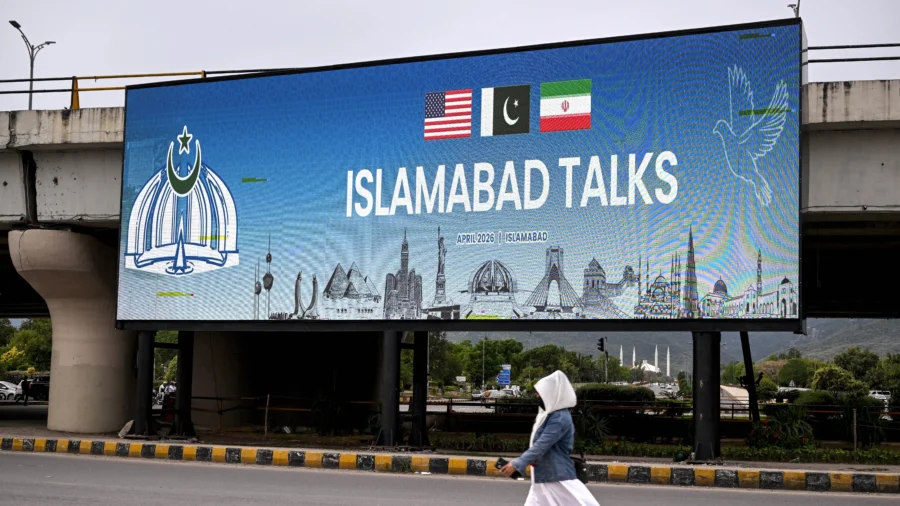
The United States and Iran will begin formal peace talks on April 11 at Islamabad’s Serena Hotel, with at least three urgent issues needing swift resolution to sustain a tenuous ceasefire before addressing a host of issues that have strained relations between the two nations for a half-century.
Topping the agenda is the United States’ ultimatum that the Iranian regime end its nuclear weapons development program and cede, without delay, enriched uranium under international supervision.
“No nuclear weapon, number one. That's 99 percent” of what Iran must agree to immediately, he said, or there will be no further negotiations.
Other pressing matters are the United States’ insistence that Tehran not impede—or “toll”—commercial shipping traffic in the Strait of Hormuz, and Iran’s demand that Israel suspend its attacks against Hezbollah terrorists in Lebanon as part of the ceasefire.
Trump said the United States flatly rejects Iran’s claim it has territorial jurisdiction over the narrow waterway linking the Persian Gulf with the Arabian Sea, threatening that if Tehran continues to menace shipping, “We’ll open the strait anyway.”
Among longer-term aims for the United States is to require Iran to end support for regional proxies, what Tehran calls its “Axis of Resistance”—Hezbollah in Lebanon, Houthis in Yemen, Hamas in Gaza, Iraqi Shia militias—and denounce global sponsorship of terrorist activities.
Asked how he thinks talks will proceed, Trump shrugged. “I don't know, I can't tell you,” he said. “Have to see what happens tomorrow.”
No Face-to-Face
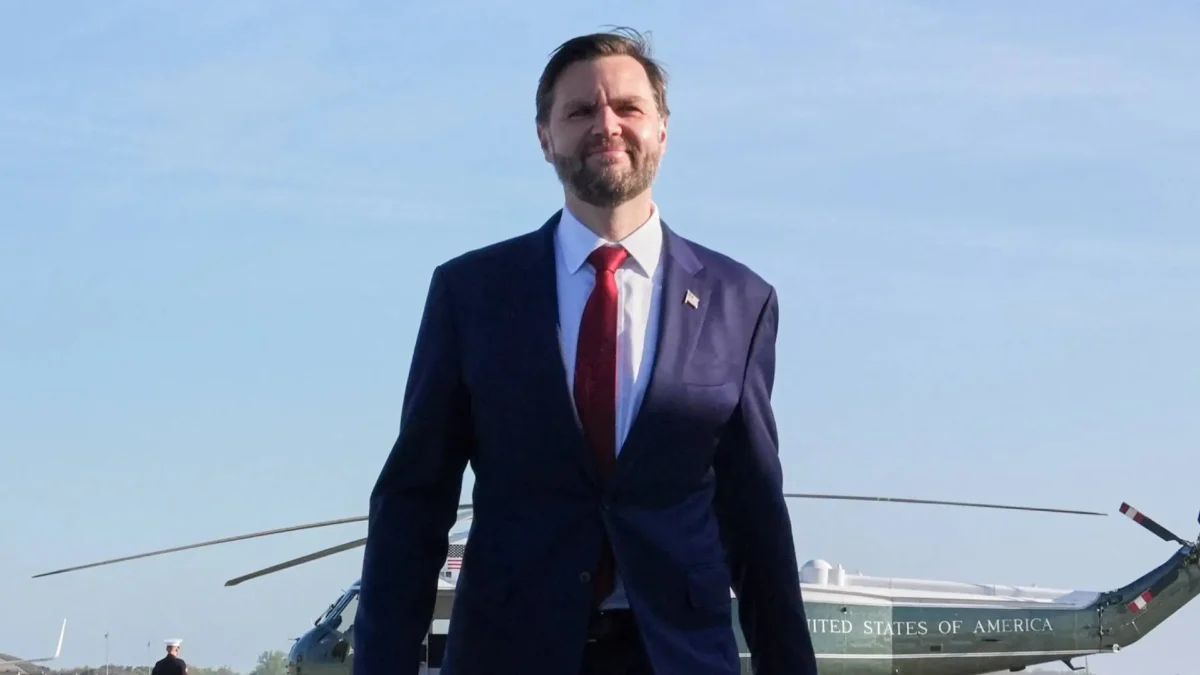
Vice President JD Vance will spearhead the U.S. delegation, which includes special envoys Steve Witkoff and Jared Kushner, when talks begin in the Pakistani capital’s “Red Zone," an upscale area where many embassies are sited.More than 10,000 Pakistani soldiers and Islamabad police had already cordoned off streets around the Serena Hotel, next to Pakistan’s Foreign Ministry, by April 10, with commercial activities citywide curtailed as part of a two-day holiday.
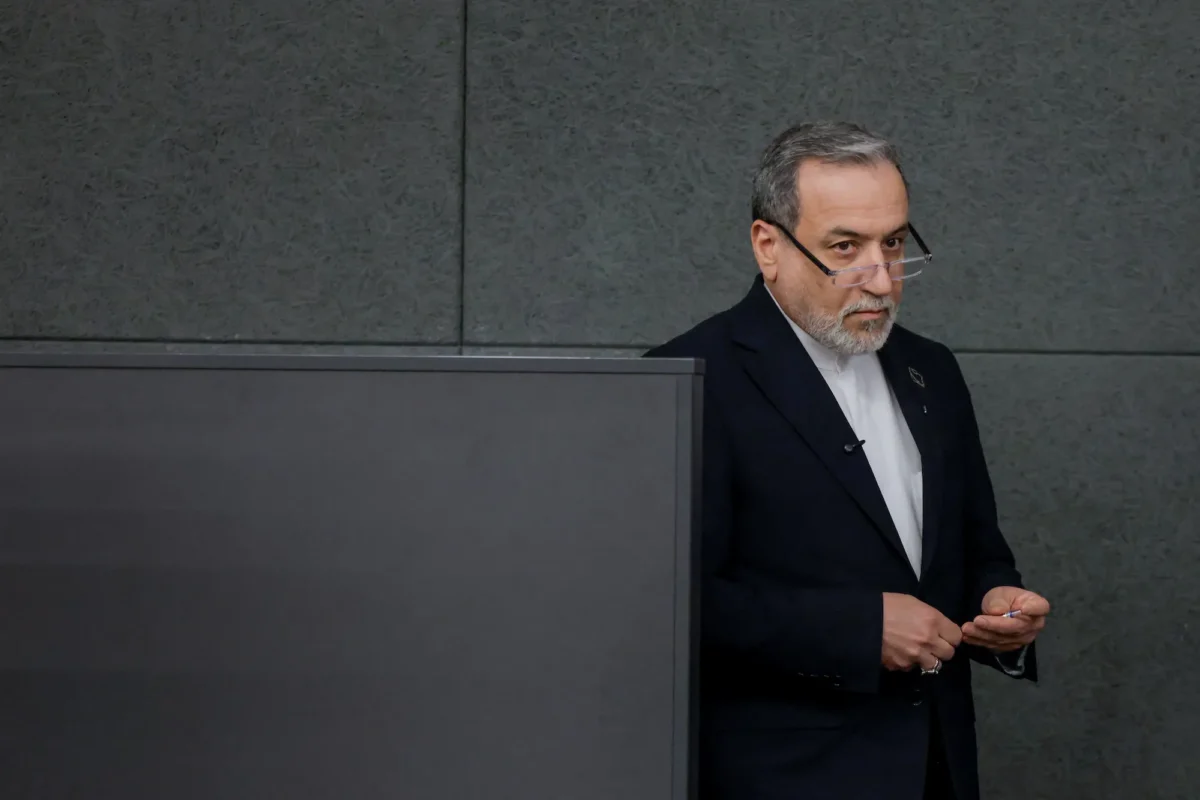
Iran's delegation is expected to be led by Foreign Minister Abbas Araghchi, Parliament Speaker Mohammad Bagher Ghalibaf, and senior surviving members of the Islamic Revolutionary Guard Corps.
The high-stakes talks are scheduled to begin in the morning. Islamabad is nine hours ahead of ET, meaning they’ll start sometime after midnight and into the early morning on April 11 across much of the United States.
Although the rival delegations will be the only guests at the requisitioned Serena Hotel, they are not expected to meet face-to-face. Pakistani foreign ministry officials, including, perhaps, Prime Minister Shehbaz Sharif, will serve as go-betweens.
Before departing Joint Base Andrews for Islamabad aboard Air Force Two on April 10, Vance told reporters he expects talks “to be positive.”
“If the Iranians are willing to negotiate in good faith, we’re certainly willing to extend the open hand,” Vance said. “If they’re going to try and play us, then they’re going to find that the negotiating team is not that receptive.”
Witkoff and Kushner, who in February led failed nuclear negotiations with Iranian representatives in Oman and Switzerland before Operation Epic Fury was launched on Feb. 28, will continue in their roles during the talks, which have no set timeline beyond the April 21 expiration of the two-week ceasefire. Iran’s Supreme National Security Council said on April 8 that talks could last up to 15 days.
No Backing Down
Of immediate concern is sustaining the shaky ceasefire Trump agreed to less than 90 minutes before his 8 p.m. ET April 7 deadline—4:30 a.m. April 8 in Tehran—to target power plants and other infrastructure expired.A top priority for Tehran is including Israel's campaign against Hezbollah in Lebanon in the ceasefire. The Trump administration maintains that Lebanon is a separate matter, although the president has called on Israeli Prime Minister Benjamin Netanyahu to conduct operations “a little more low-key” after Israeli forces killed hundreds in air attacks on April 8.
Trump, during brief comments to reporters before his short helicopter ride to Charlotte for a dinner at Trump Winery, dismissed Iran’s public posturing as propaganda for internal circulation, reiterating that the Tehran regime is not in a position to bargain.
“They're militarily defeated,” he said. “Their navy's gone, air force is gone, all anti-aircraft is gone. The leaders are gone. The whole place is gone. We've degraded just about everything. They have very few missiles. They have very little manufacturing capability. We've hit them hard.”
Trump said despite the chatter, he expects the Iranian delegation to show up and, behind closed doors, be more realistic.
“They've been talking for 47 years with other presidents,” he said. “We’re not doing much talking.”