


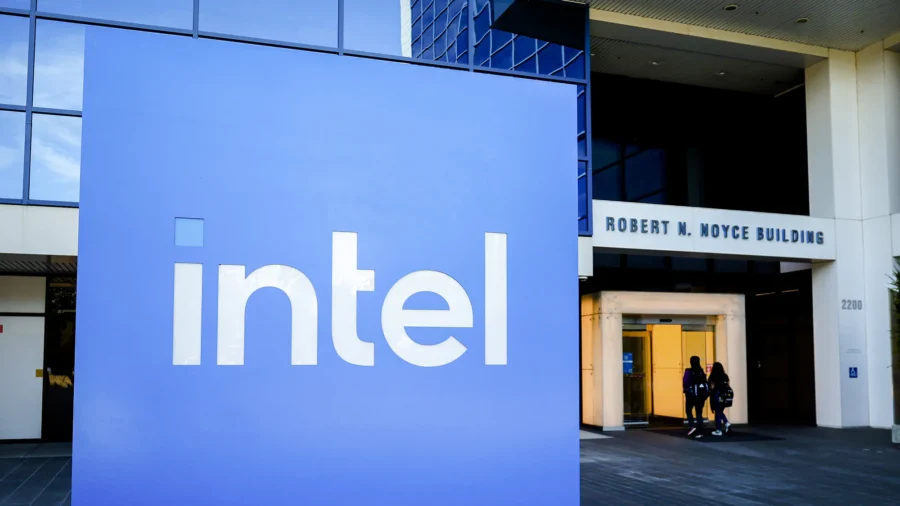
The U.S. government is seeking an equity stake in chipmaker Intel, Commerce Secretary Howard Lutnick said on Aug. 19.
In November 2024, the previous administration awarded Intel nearly $11 billion in grants from the CHIPS and Science Act—legislation designed to bolster U.S. semiconductor production—to support its domestic manufacturing investment plans.
Rather than giving away grants, President Donald Trump thinks the United States “should get the benefit of the bargain,” according to Lutnick.
The federal government would not obtain a voting stake or governance rights to direct Intel’s operations through the investment, he said. Lutnick did not disclose the government's proposed total stake in Intel.
White House press secretary Karoline Leavitt told The Epoch Times at an Aug. 19 press briefing that the Department of Commerce continues to "iron out the details" to secure a government stake in Intel.
"The president wants to put America's needs first from a security and economic perspective," Leavitt said. "It's a creative idea that has never been done before to ensure that we're both reshoring these critical supply chains while also gaining something in return."

Shares of Intel increased by as much as 11 percent during the Aug. 19 trading session, bringing the stock’s year-to-date gain to about 27 percent.
"The CEO of Intel is highly conflicted and must resign, immediately. There is no other solution to this problem," Trump said in an Aug. 7 post on Truth Social.
Ultimately, Lutnick said, the administration aims to help Intel succeed and ensure that the United States becomes a global leader in chip production.
New Administration Policy
In recent months, Trump and his administration have forged working relationships with some of the largest companies in today's key industries.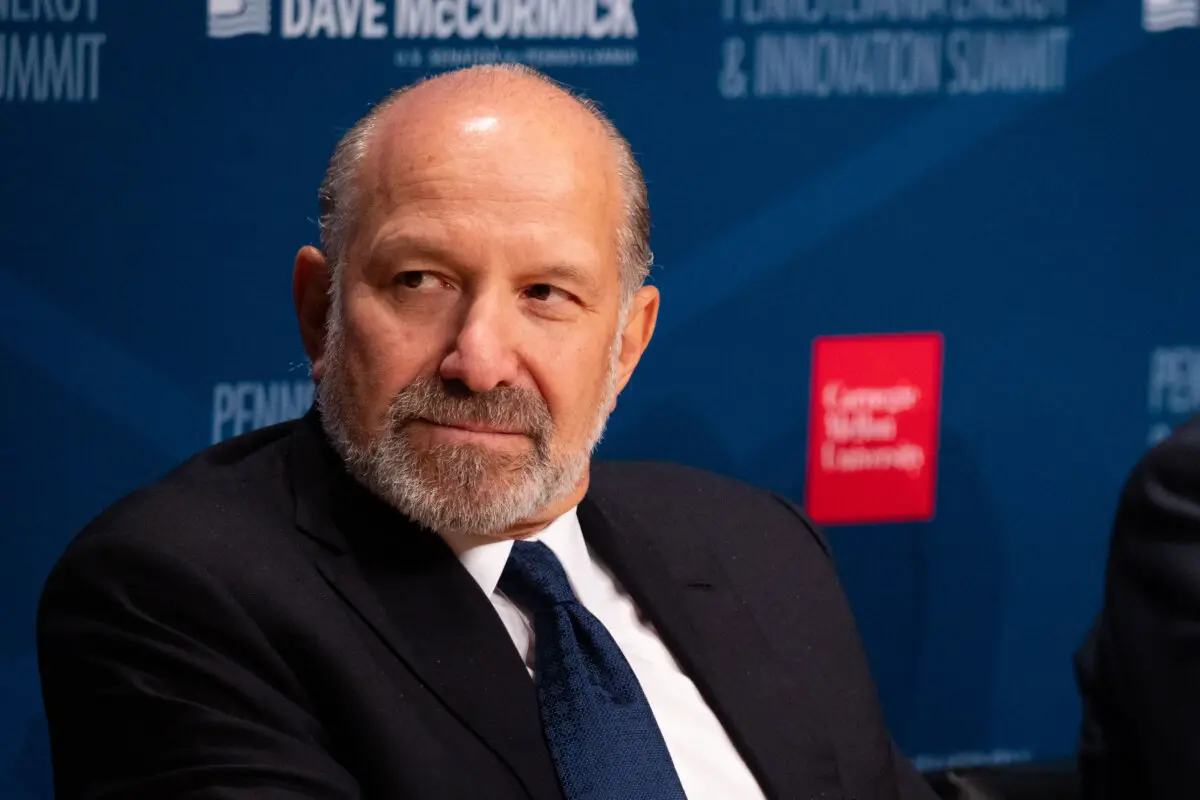
Typically, Washington has only obtained direct stakes in companies during economic upheaval. At the onset of the 2008–09 global financial crisis, the federal government acquired stakes in insurance juggernaut American International Group (AIG), automaker General Motors, Bank of America, and Citigroup.
One analyst is skeptical that government involvement will revive the company after falling behind several industry rivals, including AMD, Broadcom, Nvidia, and TSMC, in recent years.
"Generally speaking, Intel is so far behind on the technology that it may serve some purpose, but I don't see the benefit to the American taxpayer, nor do I see the benefit, necessarily, to the chip industry," Nancy Tengler, CEO and CIO at Laffer Tengler Investments, said in a note emailed to The Epoch Times.
Allowing the private sector to overhaul the company would be a preferable option, she said.
"They'll fix the problems quickly," she added.
"I don’t care how good of a businessman you are, give it to the private sector and let people like me be the critic and let the government get to the business of government."