


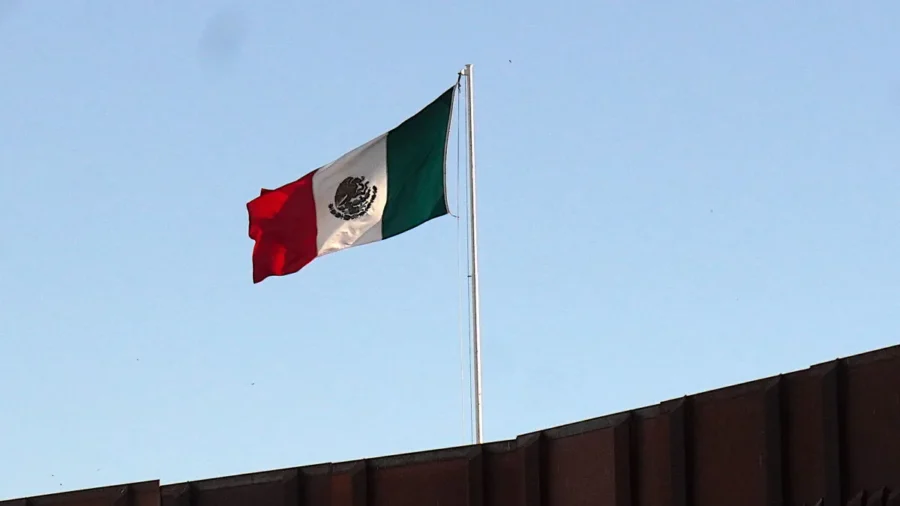
The U.S. Department of State is urging Americans to exercise heightened caution before heading to Mexico, renewing a Level 2 travel advisory on May 29 that flags risks of crime, terrorism, and kidnapping across the country.
According to the State Department, violent crimes—including homicide, kidnapping, carjacking, sexual assault, and robbery—occur with regularity throughout Mexico. Officials also pointed to the threat of terrorist violence, warning that attacks and related activity remain a concern. The U.S. government acknowledged it has limited ability to assist Americans in many parts of the country, noting that conditions can shift dramatically from one state—or even one region within a state—to another.
Six Mexican states carry the department's most severe designation: Level 4, "Do Not Travel." Those states are Colima, Guerrero, Michoacán, Sinaloa, Tamaulipas, and Zacatecas. Seven additional states, including Baja California, Jalisco, Chihuahua, and Sonora, are rated Level 3 — "Reconsider Travel."
The advisory notes that U.S. government employees are prohibited from visiting certain high-risk areas, and strongly advises American citizens to follow those same restrictions.
For those who do travel, State Department officials outlined a set of precautions drawn from the rules governing U.S. government employees. The advisory states that travelers should avoid driving between border cities and Mexico's interior, refrain from taking street taxis in favor of app-based services like Uber or Cabify dispatched from regulated stands, avoid traveling alone—especially in remote areas—and avoid traveling between cities after dark. At road checkpoints, the advisory warns travelers to comply with instructions, stating that fleeing or ignoring orders "can lead to you being hurt or killed."
Smart Traveler Enrollment Program
Americans heading to Mexico for the World Cup are being directed to follow dedicated guidance issued by the U.S. Embassy in Mexico City, which has published specific recommendations for match attendees.Those still planning a trip are advised to enroll in the Smart Traveler Enrollment Program, known as STEP, which allows the U.S. embassy or consulate to reach travelers or their emergency contacts during a crisis. The State Department also recommends purchasing travel insurance before leaving, noting that medical care costs in Mexico can exceed expectations—and that most hospitals require full payment before releasing patients.
Two states—Campeche and Yucatan—received the mildest designation of Level 1, indicating normal precautions are sufficient.
The U.S. Embassy in Mexico City can be reached at 52-55-2579-2000, or by email at [email protected].