


Historically, first-time homeowners have been a bedrock of the U.S. economy, investing in themselves and the business of America by snapping up new properties to house their young families and start living the American Dream.
The post-COVID years changed that equation as home prices have risen dramatically. From 2022 to 2026, average U.S. home prices have risen by up to 20 percent, according to U.S. government figures.
More recently, first-time homebuyers have contributed to the high cost of homeownership, primarily by not doing their homework on the actual cost of a home.
According to new data from Wells Fargo, of 2,000 first-time homeowners surveyed, almost 7 in 10 participants said they felt knowledgeable about buying a home. Yet out of the 12 questions asked on the quiz, 75 percent of respondents answered only four or fewer correctly.
One of the biggest areas of concern in the study was cost. For example, about 90 percent of respondents didn’t understand what’s involved in closing costs. Another 80 percent of survey respondents make big mistakes when submitting a competitive offer on a home, such as sharing a pre-approval letter for the maximum approval amount with a seller, Wells Fargo reported.
Consequently, a lack of home-cost knowledge is a major issue for first-time homeowners, finance experts say.
“Homebuying isn’t just a milestone—it’s a long‑term financial commitment with implications that can last decades,” said Serhat Oztop, head of Home Lending, Wells Fargo, in a statement. “When buyers overestimate what they know, they’re more likely to make decisions that cost them time, money, or both. This quiz highlights just how important clear, trusted guidance is before moving forward with this financial decision.”
Total Home Cost Advice From Professionals
Awareness is job one for new homeowners, and that starts with knowing where the pain points are. These cost factors are a great head start.
Home ownership costs can sneak up on new buyers right out of the gate
Another report from SpareFoot, a storage services company, highlights several major cost issues in the middle of the home purchase process.
Of Americans who moved in the spring, 53 percent were forced to pay for two homes at once, spending an average of $2,291 to make the transition doable.
Also, 20 percent of Americans who moved in the spring had to move twice because their new home wasn’t move-in ready, adding more surprise housing costs to the family budget.Movers who bought a new home before selling their previous one carried both properties for an average of 7.2 weeks, adding to their living expenses.
Other surprise costs can burden first-time homebuyers
Watch out for older homes.“The younger the homeowner is, the less experience they may have living in a property not owned by a family member who deals with issues like maintenance,” Christina Rordam, a real estate agent at Florida Realty Investments, told NTD News. “Some buyers come into the process of purchasing a first home with spreadsheets of must-haves and concerns, while others buy homes and rely on family to help them navigate things post-close.”
That’s when costs tied to issues like pool care, tree removal and trimming, and the cost of insurance for living in a coastal home are often not well anticipated. “I sell a lot of homes in the Southwest Orlando and Dr. Phillips areas, and some homes here are 40 and 50 years old,” Rordam said. “Older homes can offer larger pools, spacious lots and plenty of charm, but they also come with the costs of bringing systems like plumbing and outdated kitchens up to date.”
New buyers can look at a home in their dream neighborhood and think they can renovate this home on their own. “They soon find themselves in need of professional help halfway through a project they thought they could DIY on the cheap,” Rordam added.
Get prepared before home costs hit
The least understood costs today are insurance, maintenance, and repairs.
“Insurance has become a major affordability issue, especially in states with higher weather risks or coastal exposure,” Steven Parang, a licensed mortgage loan originator at Alpine Mortgage Services, LLC, told NTD. “A buyer may start the process assuming insurance will be $1,500 or $2,000 per year and later find out it is $4,000, $6,000 or more. In some areas, additional coverage such as flood insurance and windstorm coverage are required.”
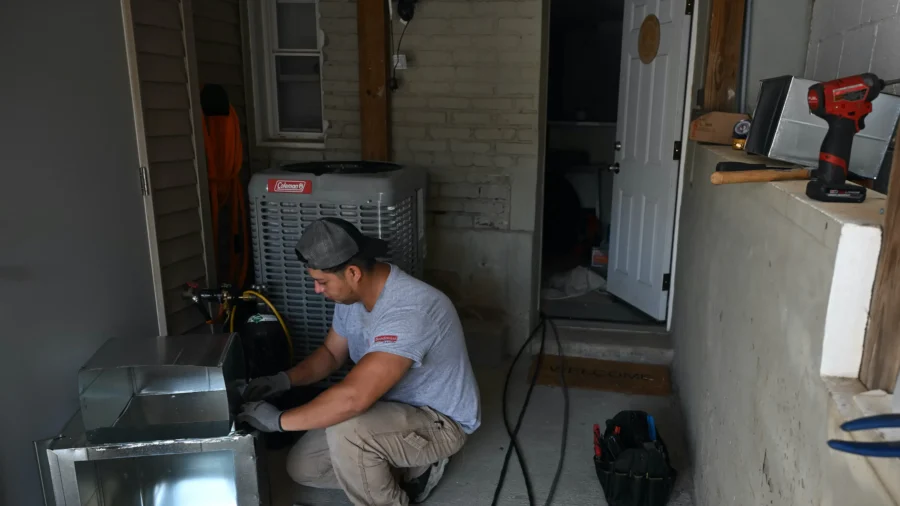
In addition, renters are usually not prepared for maintenance and repair costs “which can be a big surprise these days given the increasing costs of housing materials and labor costs,” Parang said.
Within three business days of applying for a mortgage, a lender must provide a loan estimate that breaks down all closing costs. “Borrowers should review the estimate and understand the costs due at closing in addition to the ongoing costs such as the property taxes, homeowner's insurance, mortgage insurance, if any, and any HOA dues if the property is located in a development,” Parang added.
Here’s how new homeowners can get all homeownership costs and steer them into a household budget
One useful key to stem homeowner costs is to think beyond the mortgage payment, and think hard.
“Before purchasing, buyers should ask for estimates on property taxes, insurance, utilities, HOA dues, and anticipated maintenance costs,” John Ulsh, a financial analyst and author of "The Upside of Down" and founder of Unbreakable Success, told NTD. “First-time buyers need to create a separate 'homeownership budget' that includes both predictable monthly expenses and an emergency repair fund.”
A good rule of thumb is to set aside money each month for future repairs, even if nothing is currently broken. “Planning for those expenses before they happen can prevent a lot of financial stress later,” Ulsh advised.
The views and opinions expressed are those of the interviewees. They are meant for general informational purposes only and should not be construed or interpreted as a recommendation or solicitation. NTD does not provide investment, tax, legal, financial planning, estate planning, or any other personal finance advice. NTD holds no liability for the accuracy or timeliness of the information provided.