


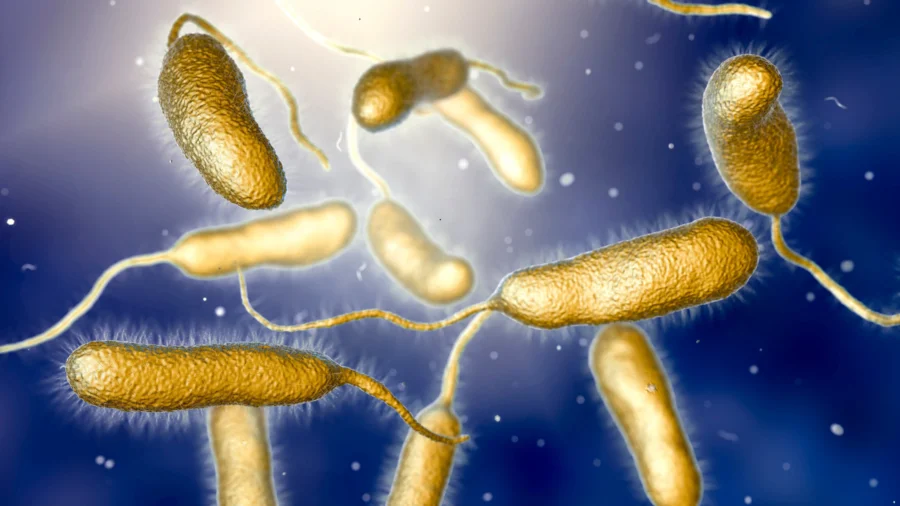
Five people have died in Louisiana after contracting flesh-eating bacteria Vibrio vulnificus this year, as state health officials warn residents about a rise in severe infections linked to coastal water exposure.
“All nine cases reported this year were associated with wounds exposed to seawater, and all patients had underlying health conditions,” the Louisiana health department said.
The state’s current count is above its recent average. During the same months over the previous 10 years, Louisiana recorded an average of one death and seven cases. The bacteria are found in greater numbers from May through October as water temperatures rise, the CDC said.
About a dozen Vibrio species can cause vibriosis in humans. The species most often associated with illness in the United States include Vibrio parahaemolyticus, Vibrio vulnificus, and Vibrio alginolyticus. People most commonly become infected by eating raw or undercooked shellfish, particularly oysters, or when an open wound comes into contact with coastal water.
Common symptoms include watery diarrhea, stomach cramps, nausea, vomiting, fever, and chills. Wound infections can cause redness, pain, swelling, warmth, discoloration, and drainage. Bloodstream infections can cause fever, chills, dangerously low blood pressure, and blistering skin lesions.
Louisiana health officials urged anyone whose wound becomes red, swollen, painful, warm, or discolored after exposure to salt or brackish water to seek medical care immediately and tell the provider about the water exposure.