


Airlines around the world are raising fares and cutting capacity amid surging jet fuel prices due to the escalating conflict in the Middle East.
The aviation sector has been hit globally this week amid fears of a prolonged conflict in the Middle East, which has disrupted major airport hubs, led to thousands of flight cancellations, and driven up fuel costs.
The International Air Transport Association’s (IATA) Jet Fuel Price Monitor said that for the week ending March 6, the global average jet fuel price rose 58.4 percent from the week before to $157.41 per barrel.
Last year, IATA had previously forecast jet fuel averaging about $88 per barrel in 2026, slightly below 2025 levels.
Jet fuel prices normally move in tandem with oil prices, but they have doubled since the Iran conflict, far outpacing the roughly one-third rise in crude prices. Jet fuel is one of the airline industry’s biggest expenses, typically accounting for about 25–30 percent of operating costs.
Some airlines engage in "fuel hedging," buying jet fuel at a fixed price for delivery later.
Major carriers in the United States typically do not hedge fuel costs as extensively, leaving them more exposed to sudden jumps in jet fuel prices.
"It's a dramatic increase," Cathay Pacific Airways chief financial officer Rebecca Sharpe said in Hong Kong after reporting its earnings on Wednesday.
"Our hedging is on crude oil rather than jet fuel. And therefore, while we do have some protection from that hedging, obviously, it's not protecting against the jet fuel price in totality."
In Europe, where fuel hedging is common, the impact on other major European carriers, including Air France, KLM, Lufthansa, International Airlines Group—the parent company of British Airways—and Ryanair, would likely range between 3 percent and 10 percent, according to J.P. Morgan.
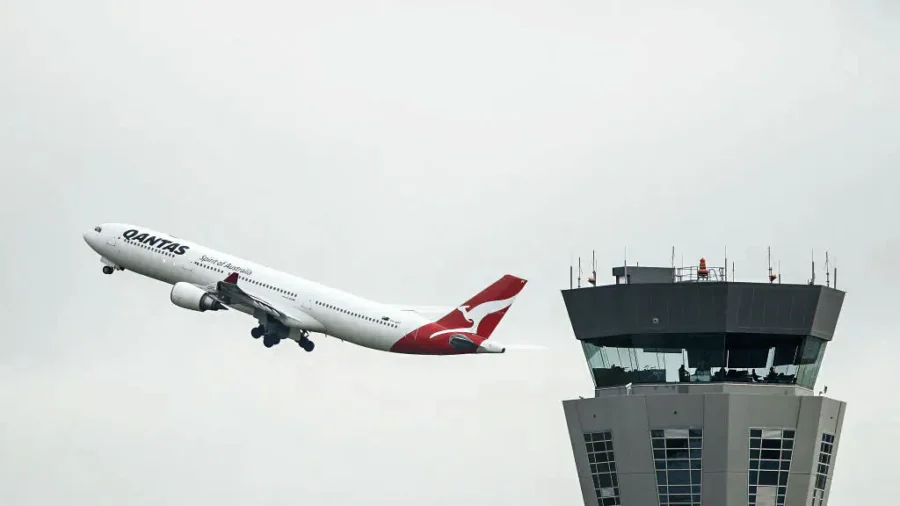
Qantas Airways said on Tuesday it would hike fares on its international routes this week in response to the surge in jet fuel costs linked to the conflict in the Middle East.
Air New Zealand also announced broad price increases earlier in the day.
"It's an unprecedented issue as far as fuel price is concerned, but managing fuel spikes is a well-trodden path if you're running an airline. It's just the fact the fuel spike has been as dramatic as it's been, it focuses the mind," Ravishankar said.
Last week, Wizz Air said it expects the financial impact of the Iran conflict to be limited to its fiscal year, which ends this month.
CEO Jozsef Varadi said conflict will affect about 5 percent of Wizz Air's capacity, some 50 flights out of 1,000 daily, he said, but the firm's decision to leave its Abu Dhabi base in September meant that it was far less exposed than it otherwise would have been.
The airline is allocating 60 percent to 70 percent of its Middle East capacity back to Europe, to destinations including Italy, Spain, Greece, and Albania.
Aviation expert Hans Joergen Elnaes in a March 12 post on X said that jet fuel price spike is not the only problem airlines may face.
“Shortage of jet fuel can also become an issue, already in April for airlines in Vietnam,” he said.