


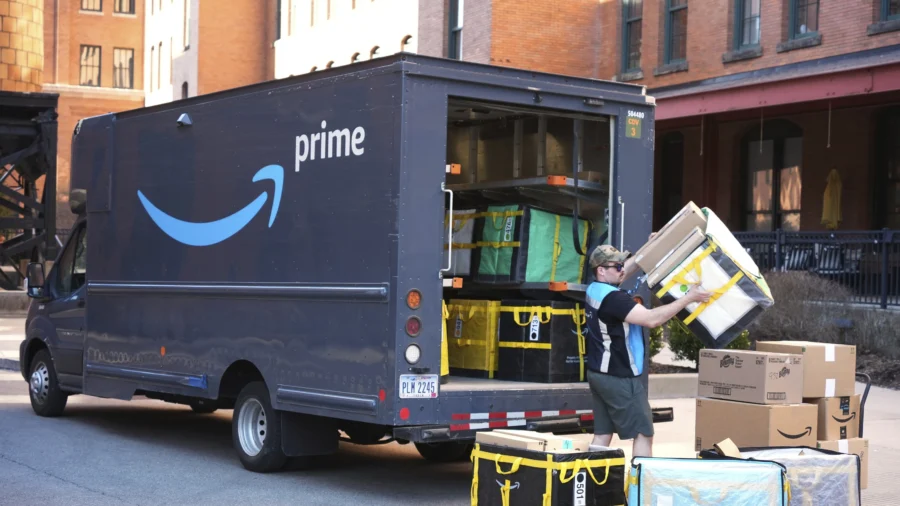
By utilizing the Amazon Now app, customers in the Seattle and Philadelphia regions can simply click on the “30-Minute Delivery” option in the navigation bar to determine if the service is available in their areas. Those eligible can browse among thousands of items now available for delivery within half an hour of the order placement. Order tracking and driver tipping are also available via the app.
Consumers can choose from items such as milk, eggs, produce, toothpaste, pet food, paper products, diapers, over-the-counter medicines, snacks, seasonal items, and even electronics.
“Amazon is utilizing specialized smaller facilities designed for efficient order fulfillment, strategically placed close to where Seattle- and Philadelphia-area customers live and work,” the statement reads.
“This approach prioritizes the safety of employees picking and packing orders, reduces the distance delivery partners need to travel, and enables faster delivery times.”
Prime members can take advantage of discounted delivery fees starting at $3.99 per order, while non-Prime members pay $13.99 per order. The new 30-minute service also charges a $1.99 basket fee for any orders under $15.
Uber Technologies has also entered the grocery delivery business, but its Uber Eats division is focused more on restaurant deliveries. The stock closed up by 1.17 percent.
Amazon’s shares rose by 0.23 percent for the day.
The report noted that much of the growth from monthly active users stemmed from reengaging infrequent users who bought groceries online two to three months ago. Some of the additional online purchases were made by users who had never shopped for groceries online.
Baby boomers accounted for the highest level of e-grocery ordering activity in October, while online order frequency declined year over year among all younger generations.
“The October 2025 results are a reminder that online grocery sales growth is not on autopilot,” David Bishop, partner at Brick Meets Click, said in the Blue Book report.
“Customers choose how to receive online grocery purchases based on many factors, including cost and convenience, and the impact of Amazon’s same-day grocery service—which offers customers a lower-cost alternative—is becoming visible.”