


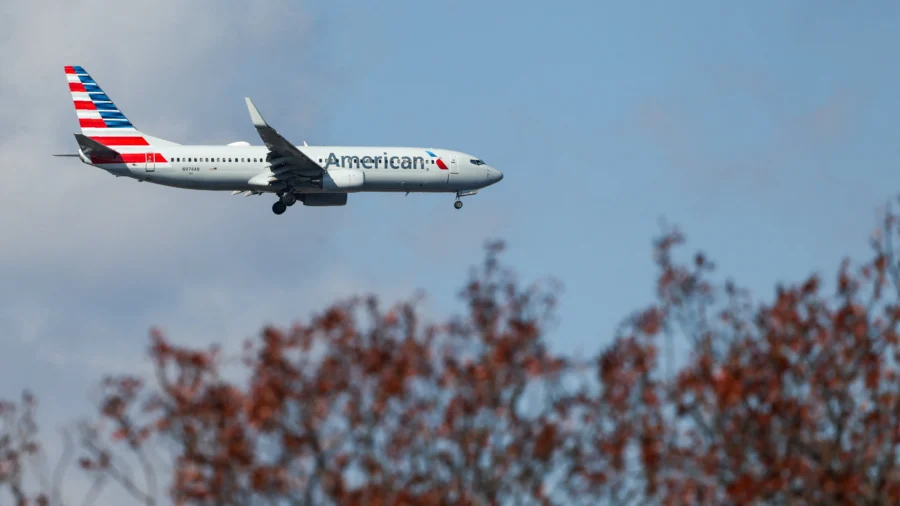
The regional jet, flying under the American Eagle brand between Dallas-Fort Worth International Airport and Blue Grass Airport in Lexington, Kentucky, safely diverted to Evansville Regional Airport in Indiana around 5 p.m. local time on Tuesday, according to a statement the FAA provided to NTD News. The flight crew reported low fuel to air traffic controllers before making the unscheduled landing.
Thunderstorm activity across the region thwarted the crew's efforts to land at two separate airports on three separate approach attempts. The FAA said it will investigate the circumstances surrounding the diversion and directed further questions to the airline.
Second Aviation Incident in Two Days
Tuesday's diversion follows a separate emergency involving American Airlines just a day earlier, when a Boeing 737-800 struck birds shortly after departing from Myrtle Beach, South Carolina. American Airlines Flight 1760, bound for Charlotte Douglas International Airport, returned safely to Myrtle Beach International Airport at about 8:40 a.m. local time Monday, Aug. 10, after the crew reported the strike.American Airlines told NTD in a statement that 172 people were aboard the flight and that no injuries were reported. "The aircraft landed safely and has been taken out of service to be inspected by our maintenance team. Our team worked to get customers on their way to Charlotte (CLT) on a replacement aircraft," the airline said. The carrier added, "We thank our team members for their professionalism and our customers for their understanding."
Bird Strikes Remain a Seasonal Hazard
Bird collisions with aircraft are a persistent risk during takeoff and landing, with roughly 54 percent of such strikes occurring between July and October, a period tied to fledgling birds leaving nests and the start of fall migration. The FAA reports that about 62 percent of bird strikes involving civil aircraft happen during daylight hours, 8 percent occur at dawn or dusk, and 30 percent take place at night.The FAA tracks these collisions through a wildlife strike database built on voluntary reports submitted by pilots, airlines, airports, maintenance crews, air traffic controllers, and engine manufacturers. That data helps the FAA study strike patterns, monitor bird migration, and gauge how well wildlife management programs are working.