


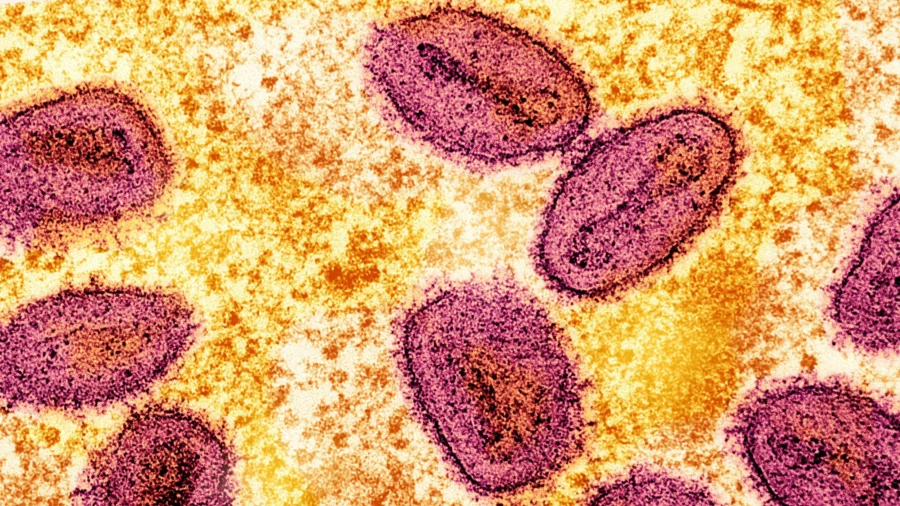
The Arizona Department of Health Services (ADHS) is actively contact-tracing to prevent any potential community spread of Clade I mpox.
ADHS began monitoring individuals after being notified this month of a confirmed travel-related Clade I mpox case in an Arizona resident.
The mpox case marks the state's first-ever confirmed detection of Clade 1.
Clade I is considered rare because it is typically only found in parts of Africa and is less common in the United States than the Clade II strain that has been circulating nationwide since 2022.
The ADHS issued an alert to healthcare providers regarding an increase in mpox cases this summer.
As of July 21, 2026, the state has documented a total of 34 mpox cases so far this year. Officials note that public risk remains low because casual contact is unlikely to spread mpox.
UC Davis describes Clade II as milder than Clade I strains, which have historically caused more severe illness and higher mortality rates.
Symptoms for both I and II include rash, fever, sore throat, headache, muscle aches, back pain, low energy, and swollen lymph nodes.
Mpox is transmitted through close person-to-person contact, according to UC Davis Children’s Hospital chief of pediatric infectious diseases Dean Blumberg.
The U.S. Centers for Disease Control and Prevention (CDC) advocates for preventing Monkeypox with a two-dose JYNNEOS vaccine, which is effective against both Clade I and Clade II.
Vaccination is recommended after exposure when administered within 4 days of infection, though it can still help reduce severe illness up to 14 days after exposure.