


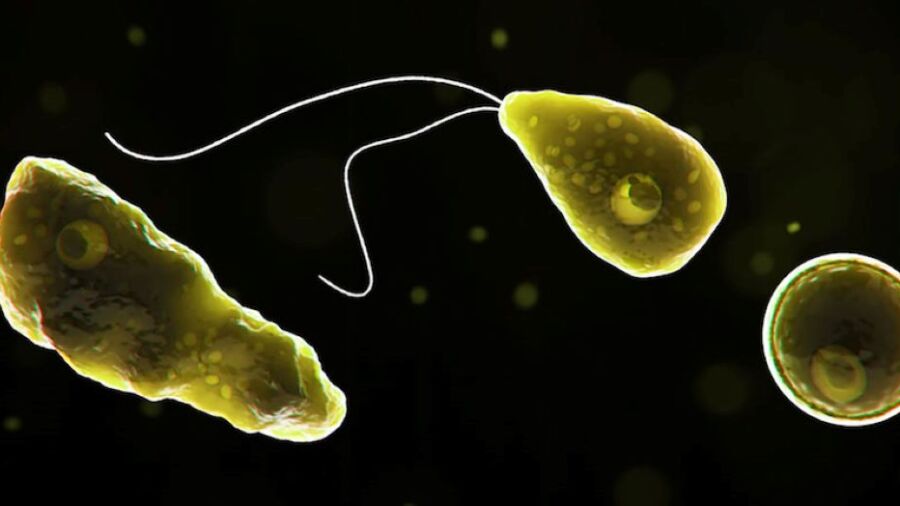
A deadly “brain-eating” amoeba has been detected in hot springs and thermally influenced waters at three popular national park sites in the western United States, according to a multiyear study.
Where Amoeba Was Found
The study surveyed 40 thermally impacted recreational waters across Yellowstone, Grand Teton, Olympic National Park, Newberry National Volcanic Monument, and Lake Mead National Recreation Area between 2016 and 2024. A total of 185 water samples were collected and analyzed using DNA-based methods.Naegleria fowleri was detected in 34 of those samples, all from Yellowstone, Grand Teton, and Lake Mead sites, with measured concentrations ranging from 4.9 to 115.7 cells per liter. The amoeba was found in well-known natural soaking areas, including the Boiling River and Firehole River in Yellowstone, multiple hot springs near Lewis Lake, and hot springs in the greater Grand Teton region, such as Polecat and Huckleberry Hot Springs.
At Lake Mead National Recreation Area, the amoeba was detected at Blue Point, Boy Scout, Nevada, and Rogers Hot Springs, but not at Arizona Hot Springs. The authors said this is the first time it has been reported in several of these hot springs, including Lewis Lake Hot Spring in Yellowstone, Upper Polecat Hot Spring in the greater Grand Teton region, and Nevada, Boy Scout, Blue Point, and Rogers Hot Springs near Lake Mead.
How Naegleria Fowleri Infections Occur
Naegleria fowleri is described as a thermophilic, free-living amoeba that lives in freshwater and soil and is the sole known human pathogen among 47 recognized Naegleria species. It causes primary amoebic meningoencephalitis, or PAM, a rare but almost always fatal brain infection.PAM occurs when contaminated water enters the body through the nose, allowing the amoeba to travel along the olfactory nerve to the central nervous system. Early symptoms typically include headache, fever, and nausea before progressing to confusion, coma, and seizures, with death usually occurring seven to 10 days after infection and a fatality rate of about 98 percent.
Recreational water use—especially swimming and diving—is cited as the most common exposure, but the infection has also been linked to other less likely activities such as bathing in geothermal waters and to nasal irrigation practices such as Neti pot use.
How to Lower the Risk
Although no fatal PAM infections have been reported at the sampled hot springs, measured concentrations in some sites were within or above levels seen in documented fatal cases elsewhere, underscoring the need for public information and risk management.The authors noted that one country with a recreational guideline has set a limit of 100 Naegleria fowleri cells per liter, while a fatality occurred in another setting at reported concentrations up to 22 cells per liter; all positive sites in the new study exceeded a stricter Australian drinking water guideline of 2 cells per liter.
The researchers argued that enhanced monitoring, public awareness, and risk communication at thermally influenced recreation sites could help prevent future deaths. They pointed to international examples in which regular surveillance, clear protocols after detections, and public education campaigns have coincided with relatively few fatalities over decades.
The authors said their long-term monitoring across multiple parks shows that tracking Naegleria fowleri over time is feasible and could support statistical models to better predict where the amoeba is likely to occur as water temperatures change. They added that even though PAM remains rare, global case reports and detections in new regions suggest the health risk in warm natural waters, including some national park hot springs, is likely to persist and may grow.