



Casey Anthony, now 38 years old, announced on a TikTok video that she is launching a legal advocacy business in which she will consult with women and LGBT clients.
Anthony is infamous for being acquitted of killing her 2-year-old daughter, Caylee, in 2011 after a 5-month trial in which she alleged the toddler had drowned in her parent’s swimming pool and that her father had disposed of the body.
“I've been in the legal field since 2011, and in this capacity, I feel that it's necessary, if I'm going to continue to operate appropriately as a legal advocate, that I start to advocate for myself and also advocate for my daughter,” she said on the video while sitting in her parked car.
The video attracted a lot of attention. Some 66,300 users shared the video, 34,400 liked and 16,700 bookmarked it, as of March 6. Comments were turned off.
“The majority of what you will see will be me speaking in a professional capacity,” Anthony said in the video uploaded on March 3. “My goal is to continue to help give a voice to people, to give people tools and resources that they can utilize so they actually know where they can turn to.”
Her parents’ former attorney, Brad Conway, told NTD on March 6 that only licensed attorneys are permitted to give legal advice. Anthony is not a licensed attorney
"Giving legal advice without a bar card is illegal in the State of Florida," Conway said. "Paralegals can fill out certain forms and can assist people but they cannot give legal advice nor can they negotiate with other attorneys on behalf of another person."
There are certain forms of advocacy that do not require a law degree, according to attorney Arash Hashemi.
“[Casey] can provide general information about legal rights, direct people to licensed attorneys, and offer emotional or logistical support in non-legal matters,” Hashemi told NTD on March 6. “However, she cannot draft legal documents, negotiate on behalf of a client, represent someone in court, or provide case-specific legal strategies.”
While Anthony labeled herself a legal advocate and researcher in the video, this isn’t the first time she has launched professional services.
In 2020, she filed documents to start a private investigation firm in South Florida called Case Research & Consulting Services.
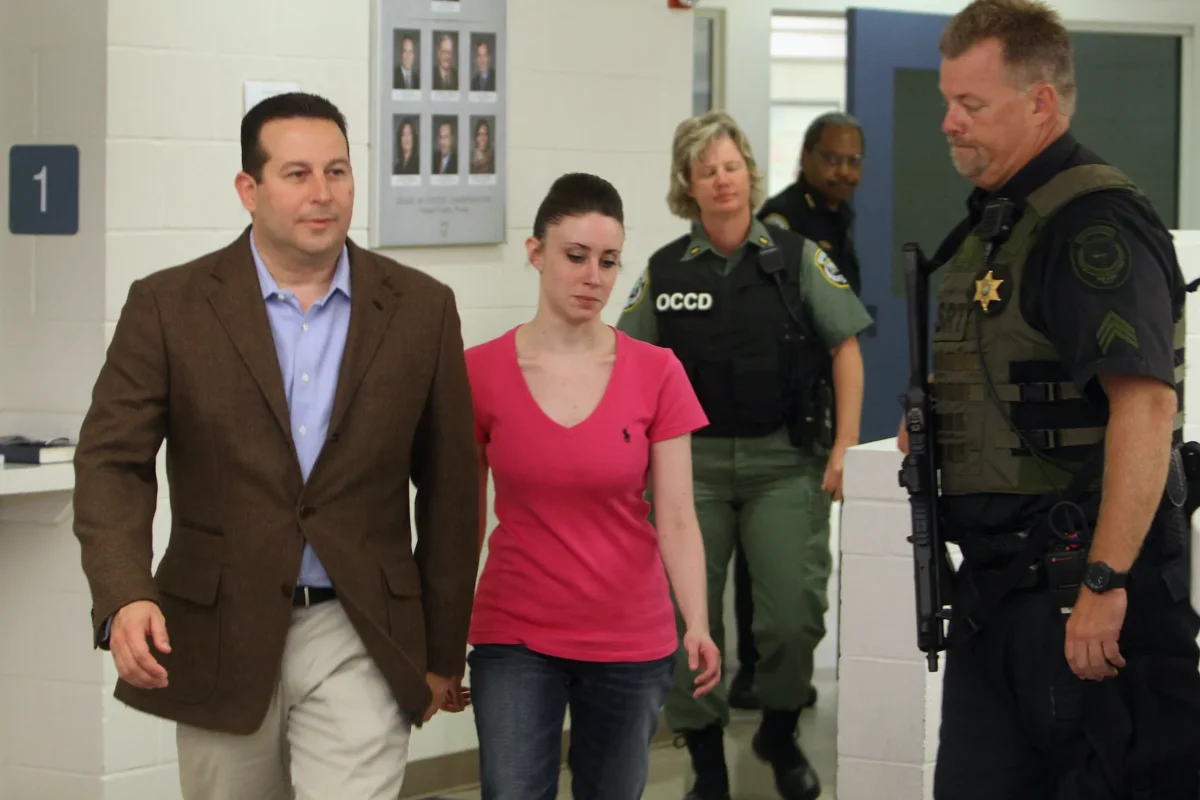
In last week's TikTok video, Anthony gave reasons why she is launching her legal advocacy business.
“One of the main reasons that I'm doing this...there are people close to me who have been targeted and attacked recently,” Anthony said. “There are also people close to me who have had some recent things occur and when necessary, people needed to step up. Myself included.”
Many of the comments left on her Substack have been negative.
"Here's the law in Florida about threats, Libel and slander, etc. You don't have to be a Florida resident to be charged. Jurisdiction is where the crime was committed, usually," Anthony wrote. "If it's over the Internet, and you're saying something hateful, Slanderous, Libel, threatening, bullying, Etc., the Recipient party can request the jurisdiction be in the state where they live, not the state where you committed the act. The Internet is not a protected place."