


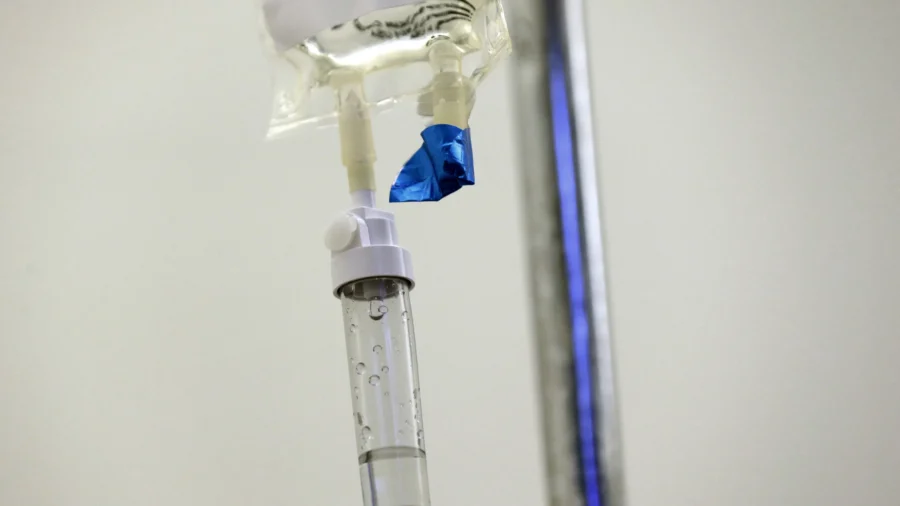
Ifosfamide, an important chemotherapy drug used to fight many types of cancers, has become the latest cancer medication to face shortages, fueling concerns about the country's pharmaceutical supply chain.
According to the FDA, ifosfamide has been affected by increased demands and manufacturing delays caused by compliance requirements.
The injectable alkylating agent is usually administered through an IV catheter over the course of five days to help slow or stop the growth of cancer cells, per the Mayo Clinic. The drug, which can be prescribed in combination with other approved cancer medications, is commonly used to treat a range of cancers, including lymphoma, soft tissue sarcoma, ovarian, and lung cancers.
Hikma Pharmaceuticals USA said additional lots will be available in July, with more batches scheduled for a later date to meet the high demand. "Product will be made available as it is released," the update reads.
"Over the past five years, hundreds of thousands of cancer patients have experienced disruptions to their treatment plans due to ongoing shortages, often resulting in suboptimal care and outcomes," the nonprofit organization said. "At the same time, healthcare providers have devoted substantial time and resources to managing these shortages, diverting attention from direct patient care."
The FDA's database also lists several chemotherapy drugs, targeted cancer therapies, and supportive medications that have been discontinued by certain manufacturers in recent years, including docetaxel, gemcitabine, irinotecan, oxaliplatin, and pemetrexed. A manufacturer discontinuation does not mean the drug is wholly unavailable from all suppliers, but the reduction in makers, especially for the generic cancer medications, could add pressure to the already fragile supply chain.
"This crisis requires comprehensive and coordinated action," the National Comprehensive Cancer Network added. "Pharmaceutical manufacturers, healthcare providers, and government stakeholders must work together to find sustainable solutions."