


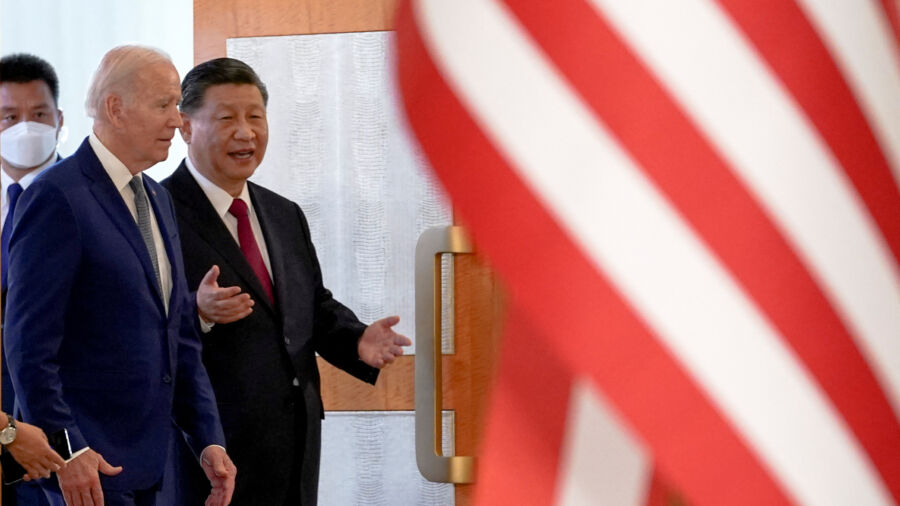
China's top diplomat said on Sunday that the road to setting up a meeting between President Joe Biden and Chinese communist leader Xi Jinping in the coming month would not be "smooth sailing."
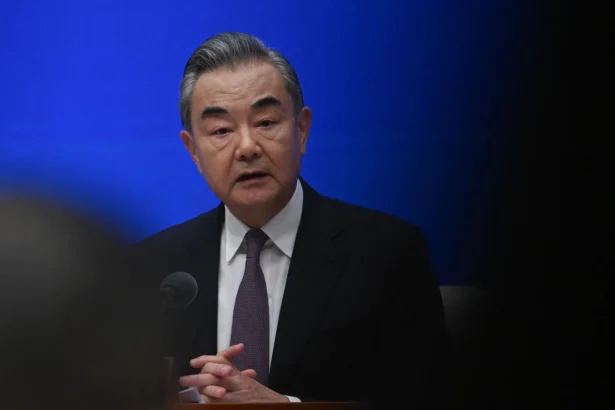
Chinese Foreign Minister Wang Yi made the remarks during a discussion with the U.S. strategic community in Washington on Oct. 29, which came after his series of meetings with President Biden and his top aides.
The Biden administration has sought a meeting between President Biden and the Chinese Communist Party (CCP) leader during the upcoming Asia Pacific Economic Cooperation (APEC) forum in San Francisco in November.
Speaking to the U.S. strategic community on Oct. 29, Mr. Wang said the path toward the summit "will not be smooth sailing," and they cannot rely on "autopilot" to make it happen.
US-China Tense Relations
Ties between China and the United States, the world’s largest economies, have reached historic lows under the two leaders. U.S. officials see a Biden-Xi meeting as an essential tool for warming the fraught relations between the two powers.The two countries are at odds on issues such as human rights, Taiwan, and the South China Sea. Washington has also expressed disappointment over the CCP’s stance on the Russia–Ukraine war, as well as the ongoing conflict between Israel and Hamas.
Mr. Wang also met with Secretary of State Antony Blinken on Oct. 26, during which they had "frank exchanges" on the escalating tensions in the Middle East.
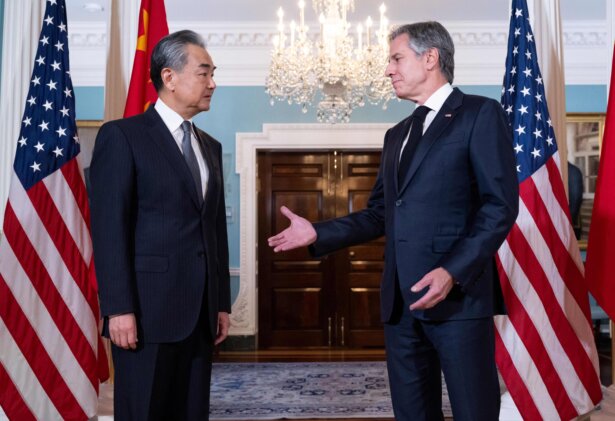
"We both have a profound stake in avoiding miscommunication and miscalculation," one of the officials told reporters.
Mr. Blinken also raised concerns about the Chinese military's actions in the South China Sea, citing an "unsafe intercept" of a U.S. bomber by a Chinese fighter jet over the South China Sea on Oct. 24 and the recent collisions between Chinese and Philippine vessels in the disputed waters.
"I think the events even just in the past week on China's unsafe intercept [of] a U.S. aircraft just underscored the importance of being able to talk to each other at working levels as well as at senior levels," the official said.
The CCP, which rules China as a single-party state, cut off cross-military communications used to deescalate conflict between the two countries last year, and has systematically sought to insulate its economy from U.S. power.