


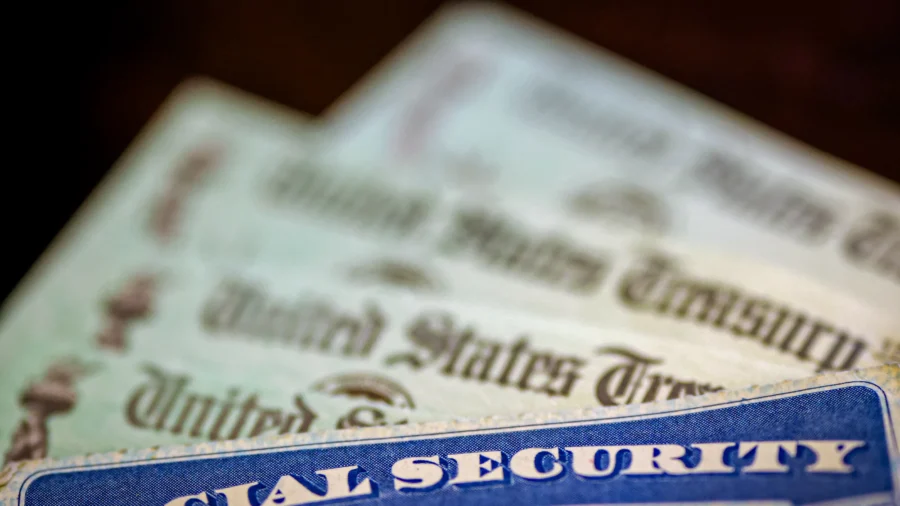
Some older Americans will get their social security checks just in time for the Fourth of July holiday.
Moreover, Supplemental Security Income (SSI)—a monthly payment for senior citizen beneficiaries who have little or no financial resources or income outside of Social Security or low-income people who are blind or have a disability—is paid on the first of the month. Americans who receive both Social Security and SSI receive their SSI on the 1st and their regular benefits on the 3rd.
This year, the month of July is a special case because of the Independence Day federal holiday. Since July 4 falls on a Saturday, the holiday occurs on Friday, July 3. But when a payment date falls on a federal holiday, the payment is backdated to the previous business day.
As a result, older Americans who have been on Social Security since before May 1997, and Americans receiving both Social Security and SSI will receive their benefits on Thursday, July 2. SSI payments will be paid out as regularly scheduled on Wednesday, July 1.
Those beneficiaries who are not subject to the aforementioned rules will have their payments disbursed according to the current cyclical payment scheme. Beneficiaries born between the 1st and 10th of their respective birth month receive their payments on the second Wednesday of each month; those born between the 11th and 21st receive their benefits on the third Wednesday of each month; and those born between the 21st and 31st receive theirs on the fourth Wednesday of the month.
Sufficient Revenue Until 2034
According to a report from the Social Security Board of Trustees, The combined Trust Fund reserves for Old-Age and Survivors Insurance and Disability Insurance are projected to have revenue sufficient to pay all scheduled benefits and associated administrative costs until 2034; after that, only 83 percent of benefits will be payable. That projection remained unchanged from 2025.In particular, the Trust Fund for Old-Age and Survivors Insurance is expected to run out by the fourth quarter of 2032, after which only 78 percent of benefits will be payable. The Disability Insurance fund is expected to be solvent for the next 75 years, which is as far out as the administration has projected.
Senators Bernie Moreno (R-Ohio) and Elizabeth Warren (D-Mass.) have called for lifting the payroll tax cap in order to make Social Security's ends meet.