


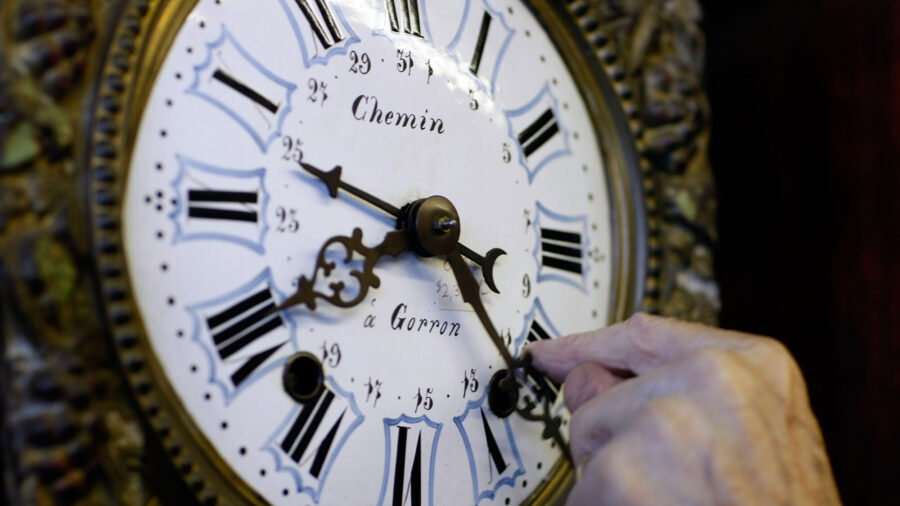
As Americans prepare to adjust their clocks for daylight saving time, the longstanding practice faces renewed debate and potential changes. The biannual ritual, which affects most of the United States, will soon push clocks forward again, for longer sunny days.
This year, daylight saving time will begin on Sunday, March 9, at 2 a.m., when clocks will spring forward one hour. Each year, daylight savings starts on the second Sunday in March. The change results in later sunrises and sunsets until autumn, at the cost of one hour of sleep for most Americans.
The return to standard time, colloquially known as "fall back," is set for Sunday, Nov. 2, where clocks will again be turned back one hour, allowing people to regain the hour of sleep lost in the spring.
While the majority of the United States participates in this practice, there are exceptions. Hawaii and most of Arizona, with the exception of the Navajo Nation in the northeast corner of the state, do not observe daylight saving time. Additionally, several U.S. territories, including Puerto Rico, Guam, Virgin Islands, American Samoa, and the Northern Mariana Islands, maintain standard time year-round.
The United States used year-round daylight-saving time during World War II and again in 1973 as oil supplies were limited due to an oil embargo, but the practice was repealed a year later. Since 2015 there have been about 30 states that have introduced or passed legislation to end time-change practice, with some states suggesting they would only do so if neighboring states joined in.