


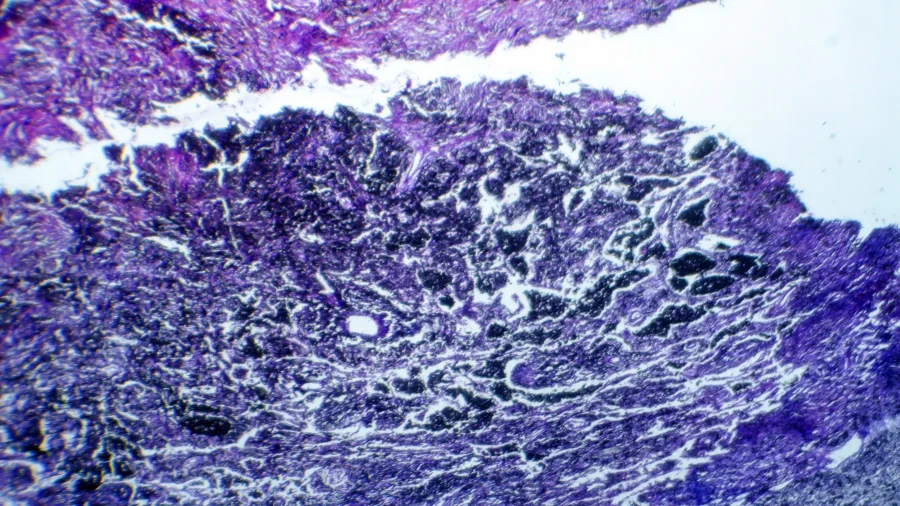
The report, which was published Aug. 12 in the Public Health Alerts section of NEJM Evidence, covers cases identified from January 2019 through June 2026. Researchers described severe, and sometimes rapidly progressing, lung disease linked to dust released during the fabrication of countertops commonly marketed as quartz. The median age at diagnosis was 46. Among workers who died, the median age was 52.
Silicosis develops when tiny particles of crystalline silica are inhaled deep into the lungs, causing permanent scarring. Symptoms can include coughing, fatigue, chest pain, and shortness of breath.
Engineered stone is made from crushed quartz bound with resins and pigments. It can contain more than 90 percent crystalline silica, far more than many natural stones. Cutting, grinding, and polishing the material can release hazardous dust, putting countertop fabrication workers at risk.
Of the 592 workers, 591 were men, and 580 were Latino. Nearly one-quarter, or 138 workers, were referred for lung transplantation. Sixty-five received transplants, and 31 died.
The median duration of silica-dust exposure was 22 years, according to the report.
California’s first known case involved a 32-year-old countertop worker diagnosed with silicosis who died from respiratory failure at 38. Investigators later identified two additional silicosis cases among former employees at the same company, including another worker who died. Screening of 43 current employees uncovered five more cases.
Researchers warned that the 592 confirmed cases likely understate the extent of the disease.
“Although California’s silicosis surveillance has expanded, the true burden of disease remains underestimated, because the system relies largely on passive reporting of diagnosed disease,” the report states.
California’s surveillance system relies on reports of diagnosed cases. Screening is inconsistent, and misdiagnosis is common. The report estimates that there are 100,000 current and former countertop fabrication workers living in the United States.