


The Department of Justice (DOJ) and the Drug Enforcement Administration (DEA) issued an emergency scheduling order classifying three new opioid compounds under Schedule I of the Controlled Substances Act.
Schedule I is the most restrictive classification level under U.S. federal drug law and carries a total ban on consumer sales.
The federal scheduling order applies to mitragynine pseudoindoxyl, also known as MGPI, and two synthetic compounds known as MGM-15 and MGM-16.
All three compounds trigger the same brain receptors as classic opioids, which carry the risks of addiction, physical dependence, and potentially fatal respiratory collapse.
Users report experiencing powerful opioid-like effects.
“This action will protect our nation’s children and communities from the dangers of drug addiction and abuse," Blanche added.
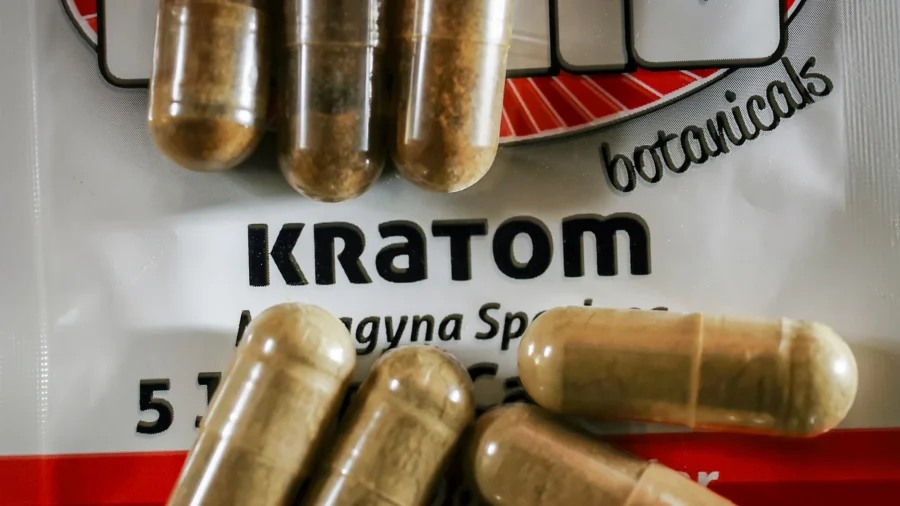
MGPI and MGM-15 have been sold to consumers under the umbrella term kratom as legal herbal supplements or recreational legal highs.
The drugs are also referred to as Pseudoindoxyl, MGM, DH-7OH, or 7-OH Extra Strength and under specific proprietary retail brand names like Pseudo, Hydroxie, Kama, Perks, or Favor'd Alkz.
Rather than raw leaf, they are often presented as harmless pressed tablets and chewables in blister pouches with candy flavors like strawberry, watermelon, and citrus mint.
In other cases, they are marketed in 2-ounce bottles as liquid energy-type shots as well as concentrated extracts or powders sold in small jars or foil bags.
Although MGM-16 has not yet been confirmed in the consumer market, the DEA scheduled it in advance to prevent a substitute loophole from emerging after MGPI and MGM-15 were banned.
Emergency temporary placement into Schedule I immediately triggers federal administrative, civil, and criminal statutory penalties. They include illegal manufacturing, distribution, and trafficking under 21 U.S.C. § 841 and simple possession under 21 U.S.C. § 844.
Federal data on opioid misuse and addiction from the Substance Abuse and Mental Health Services Administration (SAMHSA)'s National Survey on Drug Use and Health shows that 4 million Americans struggle with an opioid use disorder and another 6.9 million misuse opioids annually, leaving teens and adults vulnerable to the threat of synthetic opioids like MGPI and MGM-15.