


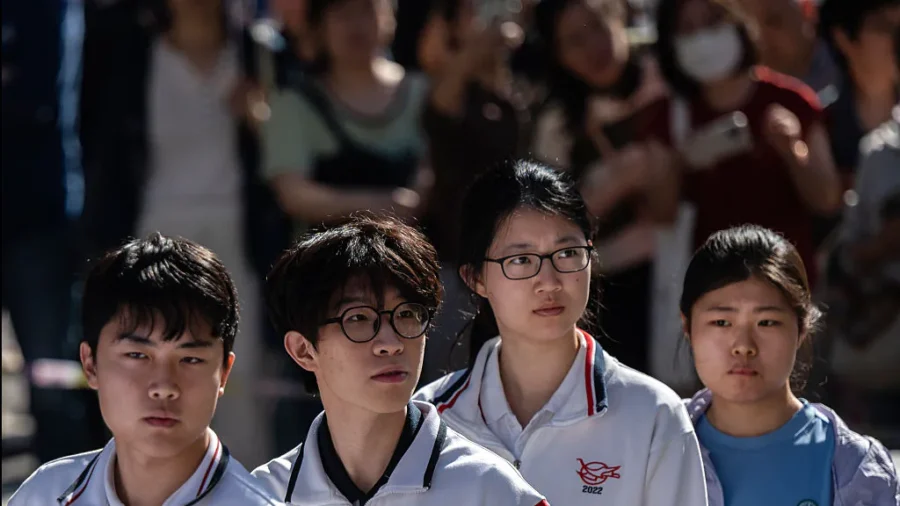
Influenced by traditional Chinese culture and psychological taboos, the older generation in China remains reluctant to make wills. Among younger people, however, the practice is surging.
The deputy director of the Hangzhou Internet Notary Office noted that when he began working in estate notarization in 2006, most clients were in their 70s or 80s; today, it has become very common for 18-year-olds to come in for consultations and filings.
The contents of young people's wills are no longer limited to traditional assets like real estate and bank savings. Gaming accounts, social media profiles, pet care arrangements, organ donation wishes, and personal funeral instructions are all being incorporated into their estate planning.
According to traditional Chinese custom, "death" is a forbidden topic. Drafting a will is often equated with "expecting one's imminent death" or "inviting bad luck," leading many people—especially elders—to strongly avoid any connection to it.
In recent years, however, amidst intense workplace pressure, sudden deaths among young and middle-aged individuals have surged, prompting more and more young people to write wills in advance. This is widely seen as a reflection of the systemic anxiety triggered by economic decline and societal disorder.
Zhang's death shocked Chinese social media, sparking widespread panic and debate over how "under extreme internal competition and high-intensity work, even seemingly healthy individuals can suffer sudden death."
A high school student said: "I am only 18 this year, but I think this is something that ought to be done—it is a proper arrangement for life."
Xiao Jiang, a 26-year-old internet sector employee, shared that the sudden death of a friend led him to draft a will, ensuring that if an unexpected tragedy occurred, his family would not be thrown into chaos over property and funeral arrangements.
Lai Jianping, a former Beijing lawyer and independent scholar, believes that Chinese youth today are overwhelmed by a sense of uncertainty about the future.
"Everyone feels that Chinese society is currently in a state of disorder and normlessness. Economy, employment, marriage, family, romance—all these areas appear chaotic, disordered, and fraught with risks and uncertainties."
He said that many young people, unable to alter the social environment they face, can only arrange their affairs in advance to minimize potential conflicts and regrets should an unexpected event occur.