


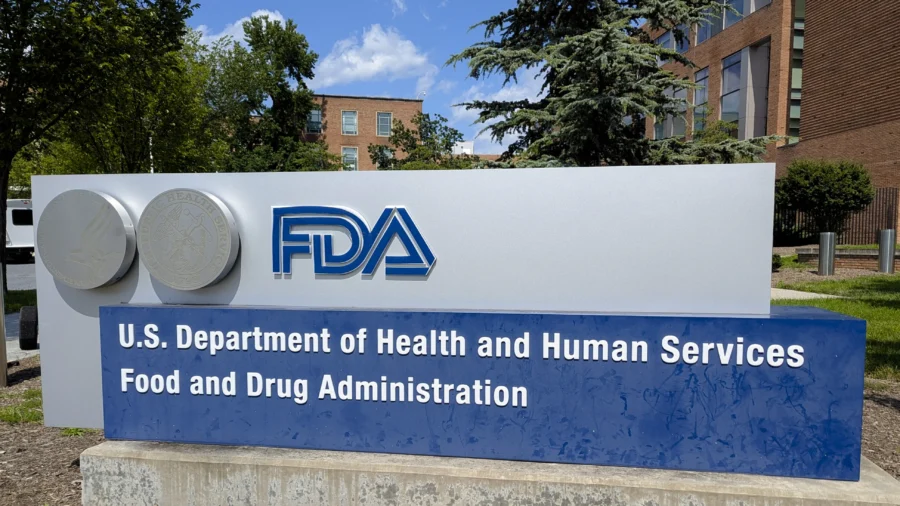
The Food and Drug Administration (FDA) this week approved a second generic version of the abortion medication mifepristone. The move quickly drew criticism from pro-life organizations and conservative lawmakers.
“More babies will die; More women will be harmed … as a direct result of this unfathomable decision.”
“FDA has just approved ANOTHER chemical abortion drug, when the evidence shows chemical abortion drugs are dangerous and even deadly for the mother. And of course 100% lethal to the child,” Hawley said.
The FDA said the approval was part of established regulatory procedures. According to an agency spokesperson, the FDA "has very limited discretion in deciding whether to approve a generic drug" and that officials do not "endorse any product."
The controversy emerges as Trump administration health leaders, including Health Secretary Robert F. Kennedy Jr. and FDA Commissioner Dr. Marty Makary, have faced mounting pressure from pro-life groups to reconsider mifepristone's status.
Working with Republican attorneys general last month, Kennedy and Makary committed to conducting a comprehensive safety review of the 25-year-old medication.
The second generic approval is unlikely to affect access to mifepristone, which is typically administered alongside misoprostol. These two medications account for approximately two-thirds of all U.S. abortions. Mifepristone dilates the cervix and blocks progesterone hormone production, while misoprostol triggers uterine cramping and contractions.
Generic drug approvals typically follow routine procedures at the FDA, with multiple copycat versions usually receiving approval after original drug patents expire. In most instances, generic manufacturers need only show that their formulation matches the original medication's ingredients and formula.
The FDA originally approved mifepristone in 2000 and has gradually expanded access over time, including approval of the first generic version from GenBioPro in 2019. Under the Biden administration in 2021, the agency allowed online prescriptions and mail deliveries.
Standard FDA approval timelines for such applications typically span 10 months. However, filings show Evita Solutions submitted its mifepristone application four years ago in 2021.
According to its website, Evita Solutions believes that all people should have access to abortion care.
Access to mifepristone is restricted across large portions of the country due to state laws prohibiting abortion. Such regulations are subject to a number of ongoing legal challenges working through the court system. Major medical societies, including the American Medical Association, have said they do not support restrictions on the medication.