


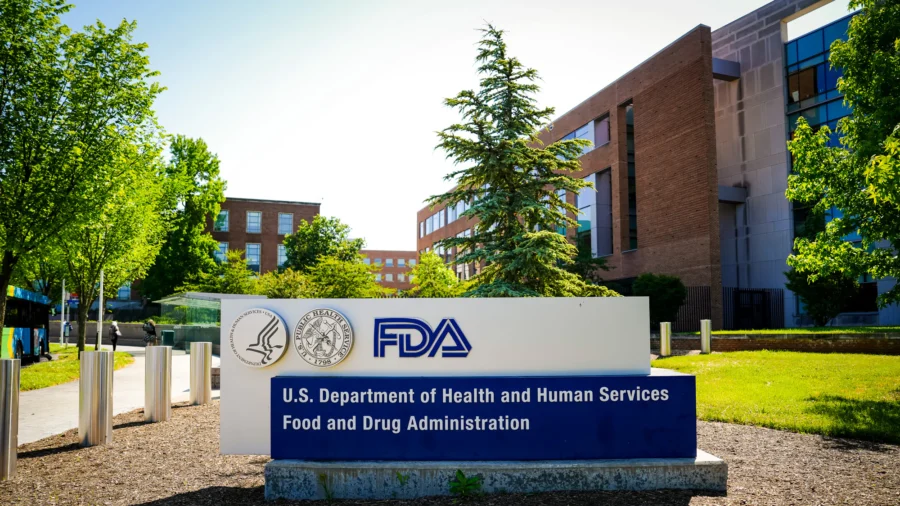
A withdrawal of 60 food products initiated last month citing bacterial contamination has been categorized as a “Class II” recall by the U.S. Food and Drug Administration (FDA).
On Jan. 7, Indiana-based FGF LLC recalled more than 2 million cases of donuts, eclairs, fritters, munchkins, and other food items, warning the items could contain listeria monocytogenes bacteria.
A Class II recall is the second highest of the three recall classes under the FDA, with Class I being the highest and most serious.
Listeria infection, while rare, is the “third leading cause of death from foodborne illness” in the United States, according to the U.S. Centers for Disease Control and Prevention (CDC).
The illness poses a higher risk to some individuals, including adults aged 65 and above, people with weakened immune systems, pregnant women, and newborns.
The products, sold across the United States and Canada, were produced before Dec. 13, 2024, and are still within their expiration date, the FDA said.
“Recalls may be conducted on a firm's own initiative, by FDA request, or by FDA order under statutory authority,” according to the agency. In the FGF case, the withdrawal was voluntarily initiated by the company.
Multiple listeria-related recalls have been issued in recent weeks.
US Food Safety
According to the CDC, listeria can spread to and from food items. “Places that listeria can spread include food processing facilities. After getting into a food processing facility, listeria can be difficult to fully remove. In the facility, listeria can spread to food that touches contaminated surfaces or equipment.“The germs even can grow in food kept in the refrigerator. If we eat food contaminated with listeria, the germs can spread to us and cause a harmful infection,” said the agency.
Symptoms of invasive illness typically include fever, stiff neck, headache, seizures, confusion, and flu-like symptoms such as fatigue and muscle aches.
Among pregnant women, symptoms usually tend to be mild. However, getting infected during pregnancy can result in stillbirth, premature delivery, miscarriage, or life-threatening infection in the newborn.
In case of intestinal illness, symptoms include vomiting and diarrhea. Some individuals who get intestinal illness can end up developing invasive illness.
The agency cited a forthcoming CDC study showing that just six pathogens were responsible for around 10 million annual foodborne illness cases in the United States, resulting in 53,300 hospitalizations and 900 deaths every year.
Among the respondents, 57 percent said they had a “great deal” or “fair amount” of confidence in the federal government on this topic, down 11 points from the previous reading in 2019.
Respondents were also asked about food safety at grocery stores.
“Americans are less confident now than they were five years ago that the food available at most grocery stores is safe to eat. Roughly seven in 10 Americans (72 percent) say they are very or somewhat confident, down from 81 percent in 2019,” the survey noted.