


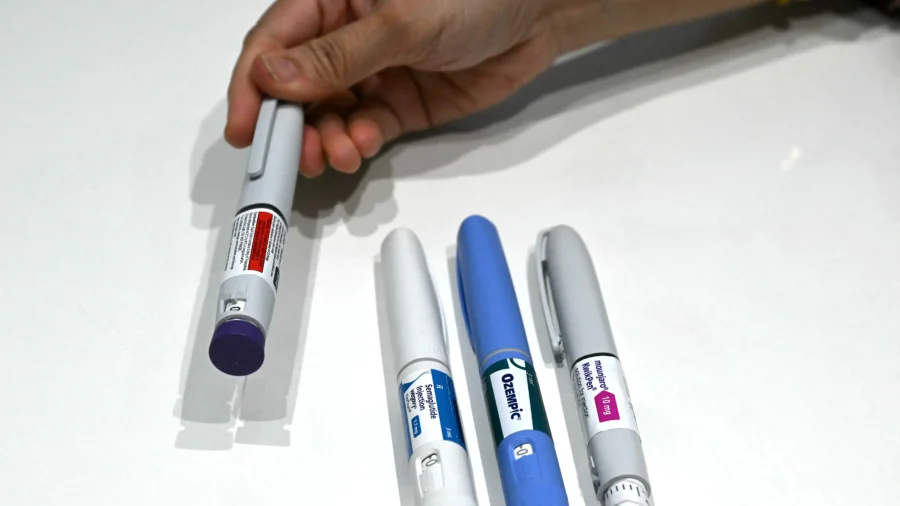
According to the FDA’s warning letter to Harbin Jixianglong Biotech Co., Ltd., the company repackaged and relabeled active pharmaceutical ingredients sourced from outside suppliers, changed manufacturing and retest dates without supporting documentation, and failed to maintain adequate manufacturing, testing, and contamination controls for the GLP-1 drug ingredient.
“We can’t keep depending on Chinese-linked pharmaceutical supply chains for our medicines,” he said.
The FDA said the company agreed during a February teleconference to voluntarily recall two semaglutide active pharmaceutical ingredient batches distributed in the U.S.
Semaglutide and tirzepatide are active pharmaceutical ingredients, the raw chemical components used to make GLP-1 medications prescribed for conditions such as Type 2 diabetes and weight loss.
These ingredients are typically incorporated into finished sterile injectable drugs with strict standards for contamination controls.
Water Testing Failures
FDA inspectors said the company’s non-sterile drug ingredients were meant for sterile injectable drugs, but its water system was not properly checked for harmful microbes, also called “objectionable microorganisms.”The warning letter also said there was no indication that the company tested for endotoxins—toxic substances produced by certain bacteria—during manufacturing.
It further noted that water used in production was not adequately sampled or tested, including water that was manually transported and stored for use in manufacturing processes.
The company acknowledged that it had not fully assessed the risks of microbial contamination or implemented adequate controls for its water system, according to the FDA.
Unknown Supplier, Repackaged and Relabeled
The FDA also raised concerns that Harbin falsely identified itself as the manufacturer of GLP-1 ingredients, when the materials were actually sourced from another company not approved under the FDA’s list of cleared facilities for these products.In the warning letter, the agency said it was concerned the labeling “may have been an attempt to circumvent safeguards” and could “pose a risk to consumers of receiving substandard GLP-1 APIs.”
On Feb. 27, the FDA placed the company under an import alert, allowing officials to detain shipments without physical inspection, and removed the company from the GLP-1 clearance list used for reviewing incoming drug ingredients.
The FDA’s letter also said the company shipped tirzepatide batches to the U.S. before completing tests to prove that the drugs would remain effective until the listed expiration dates.
Harbin said it sometimes bought products from other suppliers to meet high U.S. demand, but the FDA said the company lacked proper procedures for these purchases and failed to explain what would happen to semaglutide batches already sold.
The warning letter applies to active pharmaceutical ingredients, not the finished prescription drugs sold directly to patients. However, semaglutide and tirzepatide are widely used in GLP-1 therapies and compounded medications.
Harbin was given 15 working days to respond with corrective actions and a remediation plan.