


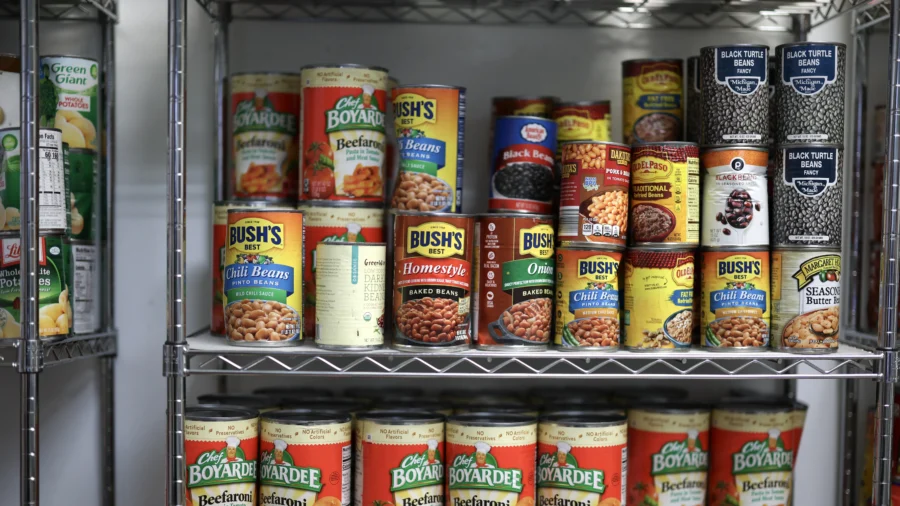
Time is running out for tens of millions of Americans who depend on federal assistance to feed their families and care for their young children, as lawmakers remain deadlocked over ending the government shutdown that began Oct. 1.
Starting Saturday, funding could evaporate for the Supplemental Nutrition Assistance Program, which helps roughly one in eight Americans—more than 40 million people—buy groceries. The following week could see the collapse of a program supporting mothers and newborns.
Among those at risk are approximately 16 million children, 8 million older adults, and 4 million people with disabilities, according to the Center for Budget and Policy Priorities.
Food Stamps on the Brink
SNAP recipients receive federally-funded debit cards each month to purchase groceries at participating retailers and farmers markets. The average monthly benefit stands at $187 per person, with most recipients living at or below the poverty level.But starting Saturday, those benefits could vanish. Adding to the uncertainty, it remains unclear whether balances already loaded onto cards by Nov. 1 will remain accessible. Arkansas officials are urging residents with existing card balances to stock up on shelf-stable foods this month. Missouri and Pennsylvania officials expect previous benefits to remain available and are encouraging recipients to stretch those funds into November if possible.
The Trump administration has rejected calls to tap approximately $5 billion in contingency funds to maintain the food assistance program, arguing those reserves are restricted to disaster-related expenses. That stance contradicts a late-September U.S. Department of Agriculture report suggesting the contingency fund could cover SNAP benefits during a funding lapse.
States Step Into the Void
Faced with the prospect of leaving hundreds of thousands of residents without food assistance, officials in Louisiana, Vermont, and Virginia have committed to filling the gap with state resources, though details remain sparse.In Louisiana, the House unanimously approved a resolution calling on the state health department to allocate $150 million from its budget to prevent an interruption for nearly 800,000 residents enrolled in SNAP. Republican Virginia Gov. Glenn Youngkin announced on Thursday he would declare a state of emergency to continue providing food benefits.
Several states are boosting funding for food banks and pantries instead. Democratic Gov. Kathy Hochul of New York said Monday she is fast-tracking $30 million in emergency food assistance funds to keep pantries stocked. Democratic California Gov. Gavin Newsom deployed the National Guard to assist food banks and is rapidly distributing $80 million in support.
Preschool Programs and WIC in Jeopardy
An estimated 140 Head Start preschool programs won't receive their annual federal grants on Nov. 1 if the government remains shuttered, the National Head Start Association said on Monday. More than 65,000 seats at Head Start programs nationwide could be affected.Political Stalemate Deepens
The funding impasse centers on Democratic demands that any government funding bill include an extension of subsidies for health insurance purchased through the federal marketplace. Advancing a funding bill in the Senate requires 60 votes, meaning Democratic support is necessary.The Trump administration is blaming Democrats, who say they will not agree to reopen the government until Republicans negotiate with them on extending expiring subsidies under the Affordable Care Act.
Senate Minority Leader Chuck Schumer told CNN that Democrats have no plans to change their strategy despite SNAP funding running out, saying: "No, it should change Republican calculus. They should sit down and negotiate a way to address this crisis. They caused it, they're the ones maintaining it."
Republicans had offered Democrats to fund the government at current levels with a continuing resolution through Nov. 21, during which time both sides could continue negotiations on longer-term funding.