


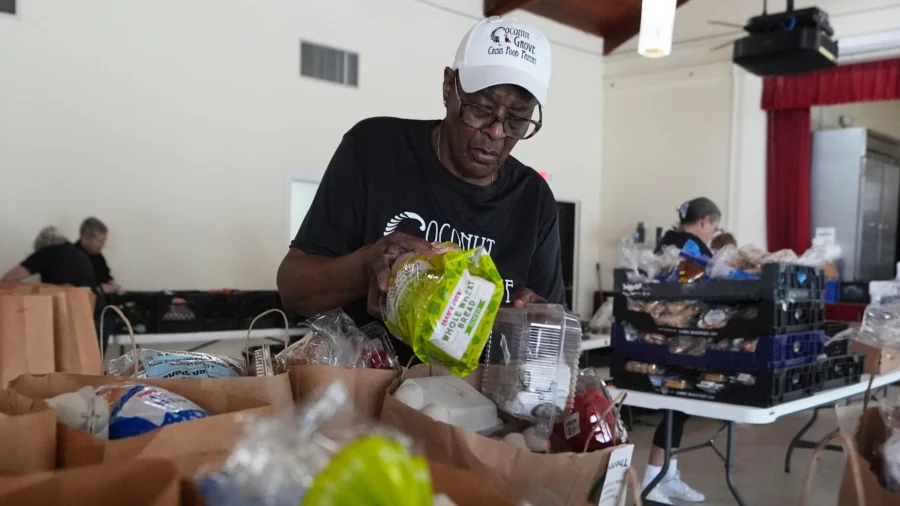
Leaders across multiple states are considering emergency measures to prevent a food aid crisis amid the ongoing federal government shutdown.
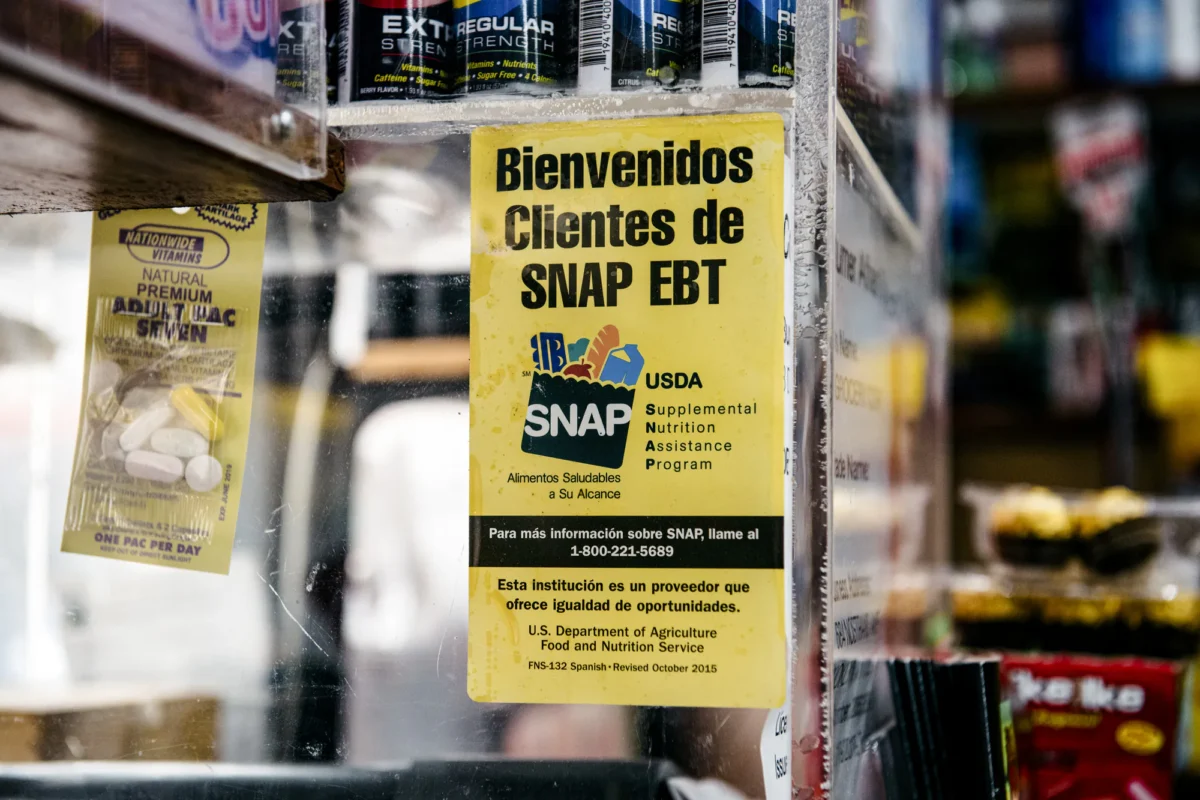
The concerns center on the possibility that the shutdown could suspend Supplemental Nutrition Assistance Program (SNAP) benefits for more than 40 million Americans starting Nov. 1.
The program currently assists roughly one in eight Americans with grocery purchases, providing an average monthly benefit of $187 per person. Most recipients have incomes that are at or below the poverty level.
The shutdown, which began Oct. 1 following Congress's failure to approve a budget or a temporary funding measure for fiscal year 2026, has now become the second-longest in U.S. history, according to Congressional Budget Office estimates.
Loss of SNAP benefits could force difficult decisions for some recipients. Sylvia Serrano receives $100 monthly to help purchase groceries for herself and the four grandchildren she's raising in Camden, New Jersey. Two of her grandkids have autism, and because of their aversions to certain textures, they eat only certain foods that are unlikely to be available at food banks.
State Leaders Respond
Republican Virginia Gov. Glenn Youngkin announced Thursday he would declare a state of emergency to continue providing food benefits to SNAP beneficiaries, though specifics on how that would be implemented would be released later.Louisiana Gov. Jeff Landry, also a Republican, pledged that "seniors, individuals with disabilities, and children who rely on food stamps do not go hungry in Louisiana," without specifying how the help would be provided. The state currently serves 792,769 residents in 396,157 households through the program, according to the Louisiana Department of Health.
Vermont lawmakers announced Thursday their intention to have the state cover both food aid and heating fuel assistance programs, facing federal funding uncertainty.
New Hampshire officials proposed increasing food access through food banks and mobile pantries, requiring approval from a legislative committee in the GOP-controlled state.
Democratic California Gov. Gavin Newsom announced this week he would deploy the National Guard to assist food banks. "This is serious, this is urgent—and requires immediate action," he said.
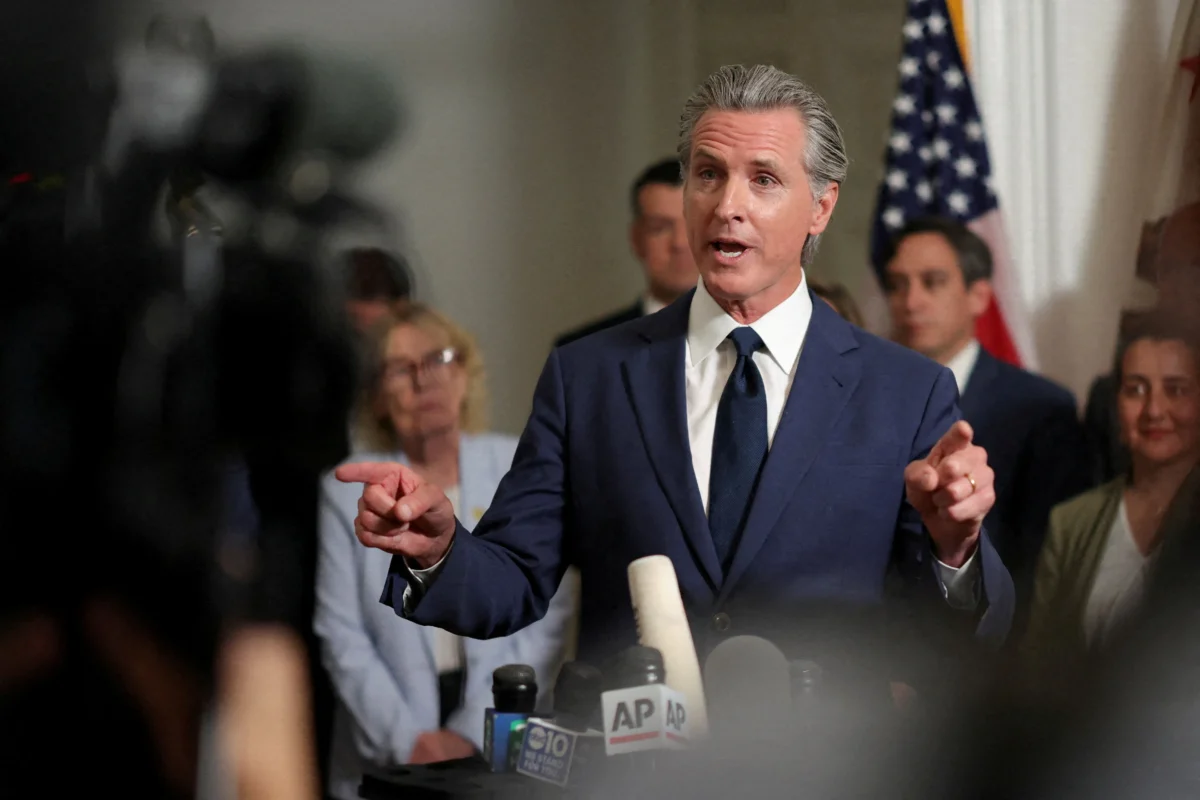
Colorado Gov. Jared Polis announced up to $10 million in emergency support for food banks.
Officials from Alaska, New Mexico, and North Dakota have also explored using state funds but have said they’ve encountered potential federal regulatory obstacles.
Arkansas officials are advising recipients to look for food pantries and other organizations that might provide assistance. Officials suggest people with card balances use them this month on shelf-stable foods.
USDA Urged to Act
The U.S. Department of Agriculture instructed states earlier this month not to transmit information to vendors providing debit cards due to uncertainty about November funding."Without action from USDA, I think it is highly unlikely that any states would issue November SNAP benefits," Carolyn Vega, a policy analyst at the advocacy group Share Our Strength, said in an email. "On top of the technical challenges, states can't shoulder that cost, especially with the risk it wouldn't be refunded."
Minnesota and Pennsylvania have issued similar warnings to recipients.
The West Virginia Department of Human Services said in an Oct. 18 Facebook post that the USDA's Agriculture, Food, and Nutrition Service directed the state to delay October benefits approved on or after Oct. 16.
Action by Congress or the Trump administration to allocate funds for the program could help resolve the crisis, even if the shutdown continues. The liberal Center on Budget and Policy Priorities estimates that about $5 billion is available in a contingency fund and is calling on the administration to use it to provide partial benefits in November.
Funding Deadlock, Federal Shutdown
The funding impasse centers on Democratic demands that any government funding bill include an extension of subsidies for health insurance purchased through the federal marketplace. Advancing a funding bill in the Senate requires 60 votes, meaning Democratic support is necessary.Louisiana Gov. Landry stated: "The U.S. House under Speaker Mike Johnson of Louisiana has already acted to re-open the government. Our U.S. Senators representing Louisiana have voted over and over again to re-open the government."
Rhode Island Gov. Dan McKee countered: "President Trump and congressional Republicans began this shutdown by playing political games with health coverage for millions of Americans. Now, their ongoing inaction is threatening crucial food assistance for those who need it most."
Rollins pinned blame on Democratic lawmakers, stating: "Democrats are putting free healthcare for illegal aliens and their political agenda ahead of food security for American families."
Senate Minority Leader Chuck Schumer told CNN that Democrats have no plans to change their strategy despite SNAP funding running out, saying: "No it should change Republican calculus. They should sit down and negotiate a way to address this crisis. They caused it, they're the ones maintaining it."