


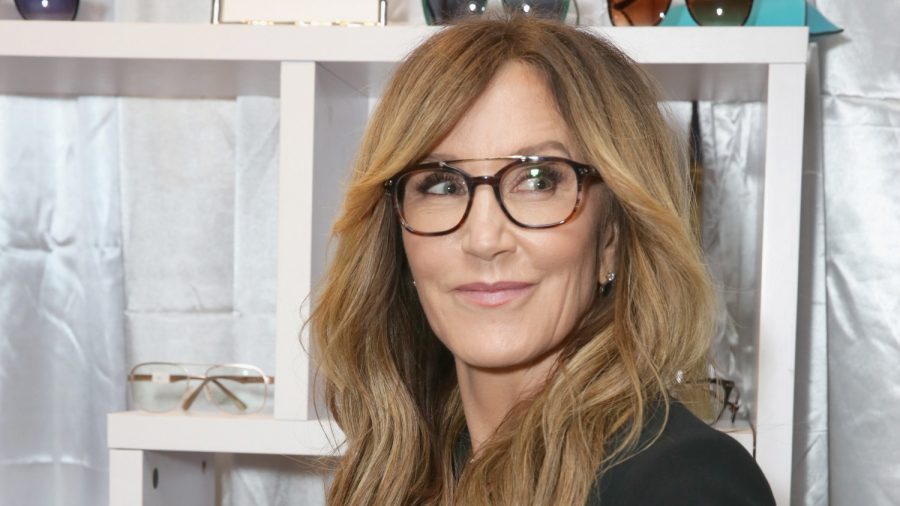
"Desperate Housewives" actress Felicity Huffman is slated to officially plead guilty in the college admissions scandal on May 13.
The Los Angeles resident admitted to paying William "Rick" Singer at least $15,000 in exchange for an associate of his to change the answers on her daughter's SAT exam, boosting her score by 400 points.
Singer ran a nonprofit known as The Key Worldwide and allegedly took bribes from Huffman and other parents in exchange for having their children's tests doctored and getting some of them designated as athletic recruits despite their not playing competitively in sports.

While prosecutors said that some children were aware of the scheme, Huffman said her daughter was not.
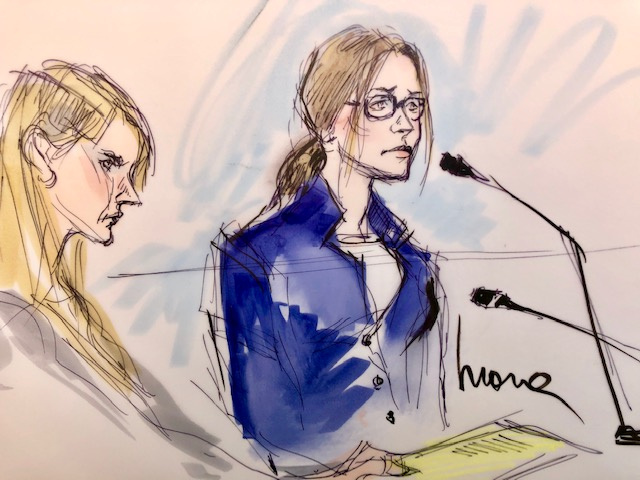
Federal prosecutors are recommending that Huffman and the 12 other parents who agreed to plead guilty get some prison time.
Some, like Huffman, face up to 20 years in prison, but prosecutors recommended from 12 to 18 months for most of the parents and unspecified “low end” amounts for Huffman and several others.
Prosecutors also said that Huffman should get a $20,000 fine and 12 months of supervised release.
A federal judge will make the final sentencing decisions.
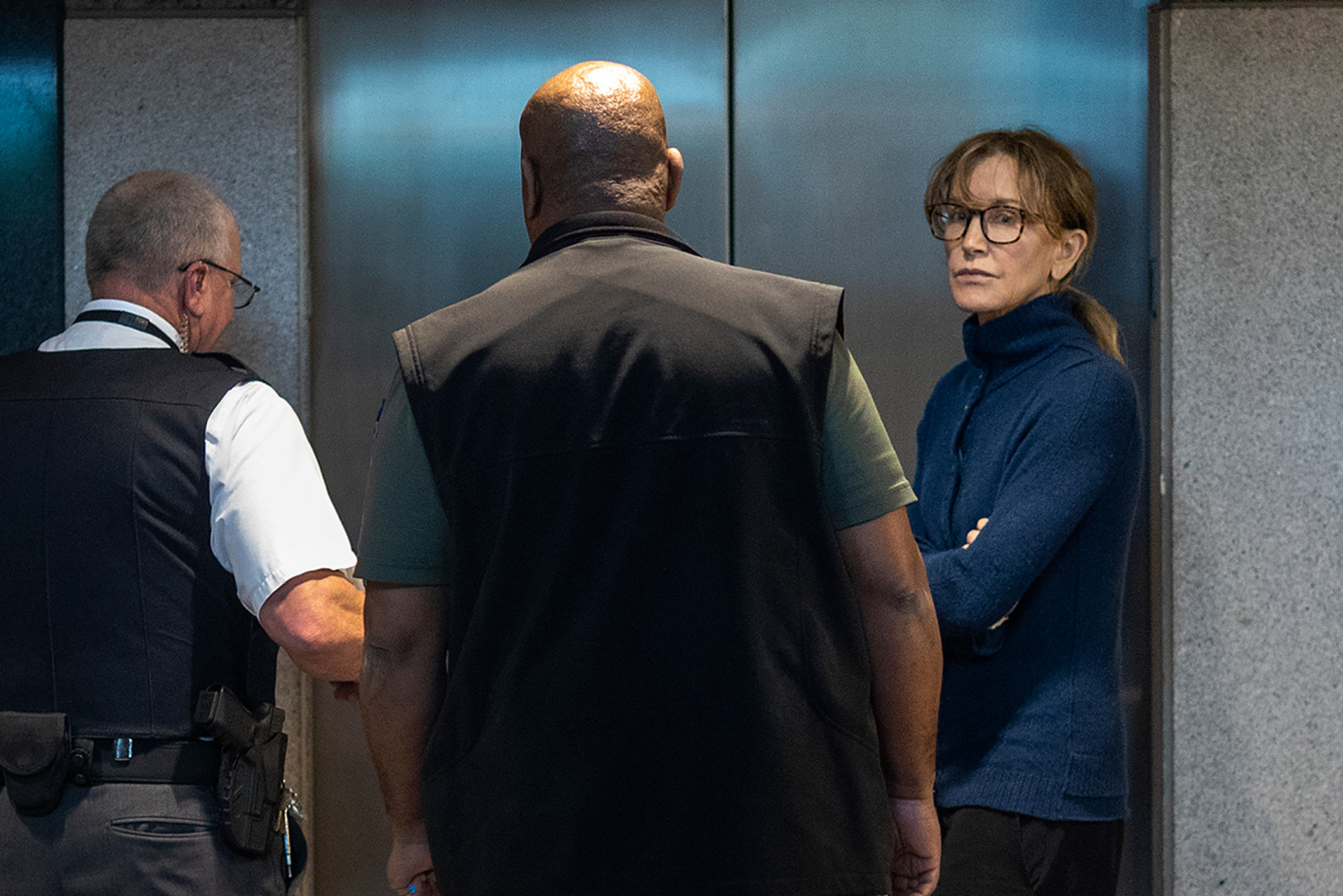
The “low end” sentencing recommendation came because Huffman has no criminal history and because the amount of money involved is relatively small, Medrano said.
The plea deals likely came because prosecutors gathered an extensive amount of evidence, including phone calls and emails—some with the cooperation of Singer, who pleaded guilty to racketeering and conspiracy charges—making it tough to mount a defense, legal experts added.
“These cases aren’t about defense, they are about mitigation,” Neama Rahmani, a former assistant U.S. attorney in Los Angeles, told the Times. “If a defendant stays in, they are getting bad advice from their lawyers. These are bulletproof cases. As an attorney, it is about finding the best way to reach a plea with the government with a reduced sentence.”