

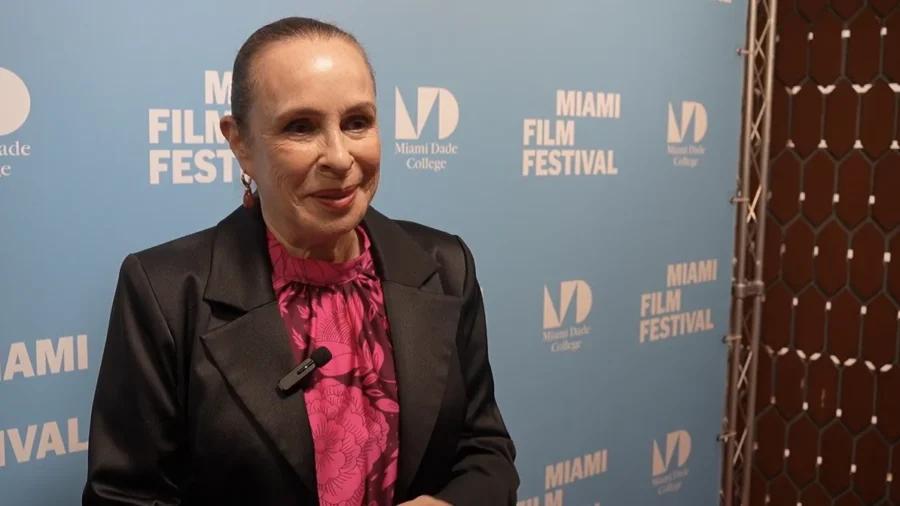
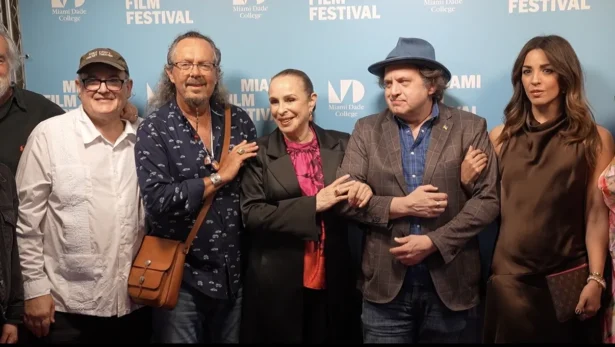
Alina Fernández Revuelta, daughter of former Cuban leader Fidel Castro, premiered a documentary on April 10 at the Miami Film Festival, bringing together personal testimony from generations of exiles grappling with displacement, shared trauma, and a search for freedom.
It’s been nearly 70 years since her father’s takeover of the island nation in 1959.
Revuelta said she hopes the documentary gives Americans a glimpse into the true nature of the country she used to call home and of those who rule it.
“The American people, in general, don't know anything about Cuba,” Revuelta said. “For us, it's a real privilege to share our personal experience, a very personal and intimate experience … with the American public.”
When the documentary ended, the roughly 200 people packed in the screening erupted in cheers.
A Cuban woman in the crowd said during a Q&A afterward that “people don’t know” about the country’s history, thanking Revuelta and the rest of the film crew for bringing a few of the countless similar stories to light.
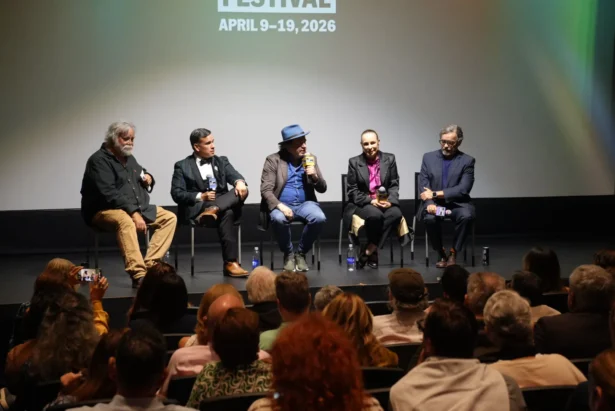
Another Cuban woman noted that the message of the film’s story is just as significant as the messenger: Castro’s daughter.
“The revolution’s daughter,” the woman said. “That means something when it's Fidel’s own daughter.”
Alanna De La Rossa, who portrayed a younger version of Revuelta in the documentary, told The Epoch Times that the film changed her life. She called Revuelta a "symbol of freedom,” while she learned about her and the oppression Cubans have experienced.

“It is not a lie, and it's something that is real, that is happening, and it's been happening for a lot of years,” De La Rossa said.
Currently, there is great fear among Cubans in their home country, but there’s also fear among Cuban leadership that justice is coming for them soon, Revuelta noted, regarding the Trump administration's policies and comments on the island nation.
Applying Pressure
The timing of the premiere of “Revolution’s Daughter,” which took three years to film, was entirely coincidental, Revualta and director Thaddeus Matula said, and comes as the United States is squeezing the Cuban regime through a months-long oil blockade.“This came in a special moment. It wasn't on purpose,” Revualta said. “It's just that the circumstances are helping the spread of the message.”
Meanwhile, top U.S. leadership continues to hint that Cuba could be the next focus of a Trump administration more emboldened after successful military operations in Venezuela—the overnight capture of leader Nicolás Maduro and his wife—and the war against the Islamic regime in Iran, along with the targeting of its nuclear and military capabilities.
Trump said on March 8 that Cuba was “at the end of the line” after the country lost its main oil provider and ally, Maduro. Only days after that comment, he suggested the possibility of a U.S. takeover.
Potentially his most notable comment since upping the pressure on the communist government in America’s backyard, Trump told reporters at the White House on March 17: “I do believe I'll be having the honor of taking Cuba. That’s a big honor. Whether I free it, take it, I think I can do anything I want with it.”
Trump isn’t the only one from his administration making clear his thoughts on the Cuban regime.
Secretary of State Marco Rubio, of Cuban descent, said on March 17 that “Cuba has an economy that doesn’t work and a political and governmental system that can’t fix it.”
Rubio reinforced this statement again on March 31.
Earlier this week, when questioned by reporters about Cuba’s statement of retaliation if the United States ever launched operations there, Rubio said, “OK, sure. Yeah.”
Cuban Americans Approve
These statements from top U.S. leadership were approved by many Cuban Americans who have spoken with The Epoch Times, including several discussing at length their hopes that their homeland would be next for change after Venezuela.One man said to fix Cuba, the leadership either must leave or die.
For the director of “Revolution’s Daughter,” Matula, he told The Epoch Times that Revualta’s story reignited his love for filmmaking while connecting him to the Cuban community—a family—he didn’t know existed.
As much as the story is about the communist Cuban regime’s impact on generations, it’s also about finding oneself again and "how you keep loving home when your home doesn't exist anymore,” Matula said.