


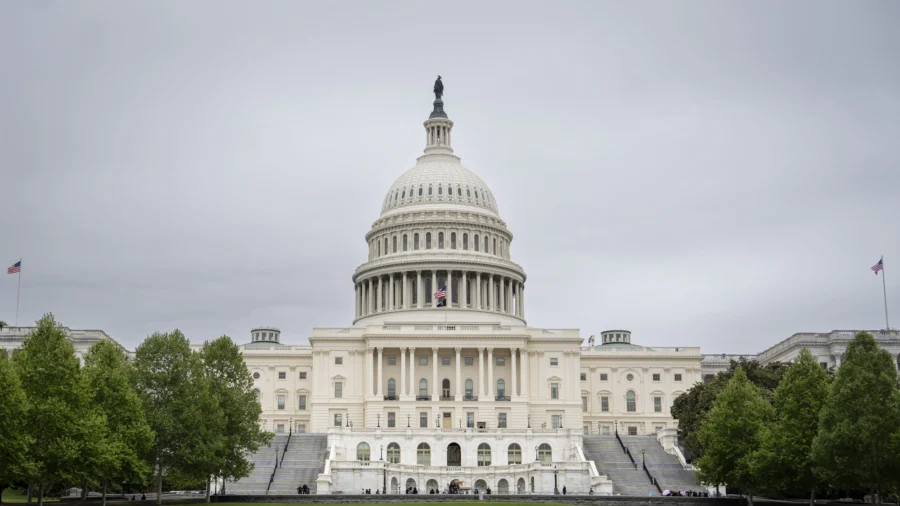
The Senate once again on Wednesday rejected a resolution aimed at ending the war in Iran, though the measure gained its strongest Republican support yet.
Sens. Lisa Murkowski (R-Alaska), Rand Paul (R-Ky.), and Susan Collins (R-Maine) joined all Democrats in backing the proposal introduced by Sen. Jeff Merkley (D-Ore.). The resolution failed in a 49–50 vote, marking the closest any war powers measure has come to advancing since the conflict began.
The vote came shortly after the Trump administration was accused of exceeding the legal deadline established under the War Powers Resolution of 1973, which requires military operations to end after 60 days unless Congress authorizes continued involvement. Several Republicans had previously suggested that crossing the deadline could shift their position on the war.
“We know what our colleagues are hearing. We know what they’re hearing from their constituents, and we’re starting to hear doubt creep into their words,” Kaine said. “There will be a day—and it might be soon, I believe—where the Senate will say to the president, ‘Stop this war.'”
The administration has said the War Powers deadline does not apply because of an indefinite ceasefire with Iran extended by Trump.Despite mounting economic fallout and legal concerns, most Republicans remained aligned with Trump.
Department of War Chief Financial Officer Jules Hurst disclosed the updated figure during testimony before the House Appropriations Subcommittee on Defense on May 12, citing rising repair costs, equipment replacement, and ongoing military operations. The department had estimated total costs at $25 billion just weeks earlier.
Before departing for Beijing on Wednesday for talks with Chinese leader Xi Jinping, Trump said he did not expect China’s assistance to be necessary to end the conflict or ease Iran’s attempts to control the Strait of Hormuz.
“I don’t think we need any help with Iran,” Trump told reporters in Washington. “We’ll win it one way or the other, peacefully or otherwise.”
The war is expected to be a central topic during Trump’s meetings with Xi, particularly as disruptions in the Strait continue to threaten roughly a fifth of the world’s oil supply.