


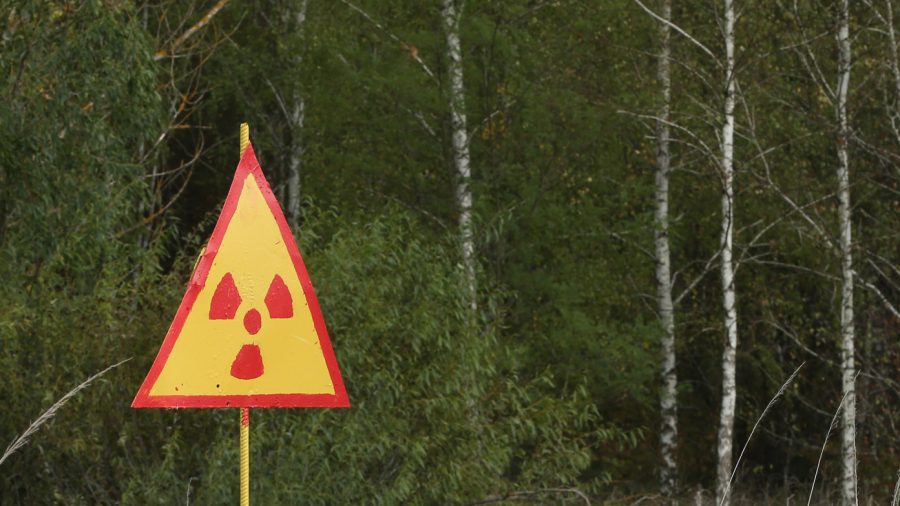
Specially-equipped drones have mapped one of the most radioactive places in the world—Chernobyl's eerie Red Forest—to measure previously unknown radioactive hotspots.
Over a 10-day period, researchers deployed fixed-wing drones on 50 separate occasions to map a grid over an area measuring about 6 square miles (15 square kilometers), according to the statement.
The drones used a remote-sensing method called lidar, or light detection and ranging, to create 3D maps of the terrain. After that, lightweight gamma spectrometers scanned the area for signatures of radioactive decay.
Beginning in the relatively low-risk village of Buriakivka, the drones eventually made their way towards the ground zero zone of Chernobyl.
Knowing which areas have high levels of toxicity prove vital in knowing which areas are safe to visit, and which will stay dangerous for decades to come.
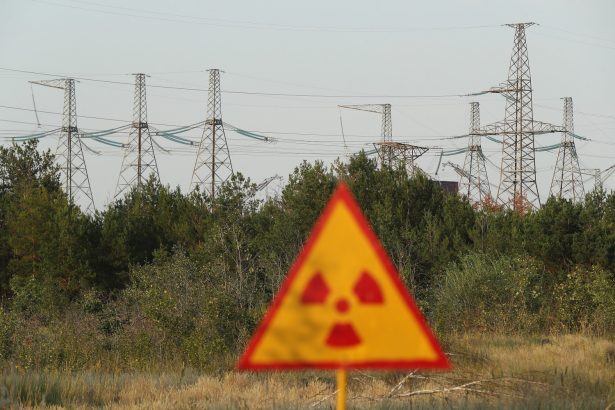
The scientists used the data from the drone surveys to create a map—the most detailed to date—of the radiation in the forest, even discovering "previously unsuspected locations where the contamination was unusually intense," according to the statement.
Scientists are now saying that the first of the two explosions on April 25, 1986, reported by eyewitness accounts, was actually a nuclear explosion, and not a steam explosion, as had been previously thought.
Instead, experts believe the first explosion was a jet of debris ejected to an altitude of almost two miles by a series of nuclear explosions within in the Chernobyl reactor. Just seconds later, the steam explosion broke the reactor and sent more debris flying into the air at lower altitudes, according to the article.
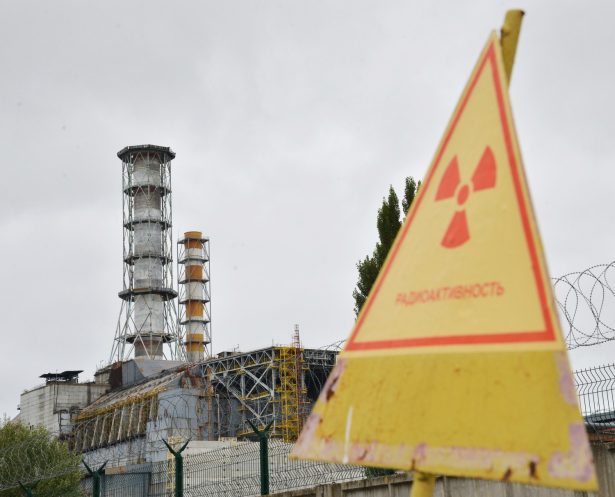
The Chernobyl Disaster
One of the most deadly manmade disasters, the Chernobyl explosion of 1986 caused widespread environmental disaster. Early on April 25, operators conducted a test on the Chernobyl reactor prior to a routine shutdown. However, unknown to the operators, the "reactor core was in an extremely stable condition when they went to insert the control rods to shut down the reactor," according to the Bristol University statement. The resulting power surge caused an explosion with "400 times more radiation than the atomic bomb dropped on Hiroshima at the end of World War II," according to IFL Science.
Many died as a result of the explosion itself at the number four reactor, while others died later from acute radiation sickness.