


The Florida Department of Health (FDOH) confirmed that the state’s first 2026 death from a flesh-eating bacteria infection occurred in Palm Beach.
Officially known as Vibrio vulnificus, the bacteria is found in warm, salt-tinged seawater.
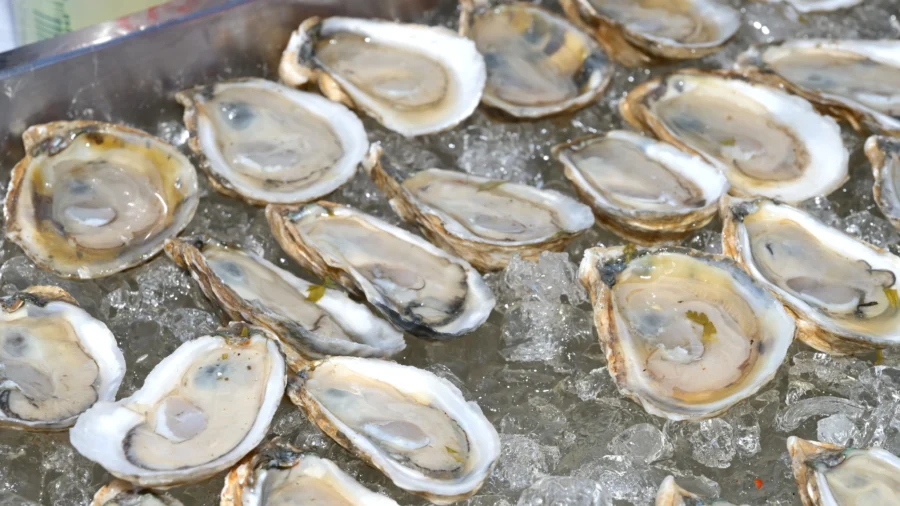
As a result, when vibriosis is contracted, it’s usually by people who have eaten raw or undercooked shellfish, particularly oysters.
“Since it is naturally found in warm marine waters, people with open wounds can be exposed to Vibrio vulnificus through direct contact with seawater,” DOH officials said.
Oysters naturally concentrate the bacteria within their tissues by filtering large volumes of water.
Twelve other infections have occurred statewide so far in 2026, including two more in Palm Beach, two in Miami-Dade County, and one in Hillsborough, according to FDOH data.
The other seven cases were in Bay, Lee, Marion, Okaloosa, Polk, and St. Johns counties.
Symptoms of vibriosis include rapid-onset fever, chills, septic shock, and painful, blistering skin lesions that can develop within hours of exposure.
The number of cases has slightly declined since 2024. Last year, there were five deaths and 33 cases, and in 2024, there were 19 deaths among 82 cases.
Water temperatures that exceed 68°F contribute to the bacteria’s growth.
Once the bacteria enter through a break in a person's skin, they can attack tissue internally and cause necrotizing fasciitis, which is why the infection is often called "flesh-eating."
Necrotizing fasciitis is produced by toxins that destroy tissue and can trigger life-threatening septic shock.
Other conditions that cause necrotizing fasciitis are Streptococcus pyogenes and Clostridium perfringens.
Streptococcus pyogenes typically enters through minor skin breaks anywhere, while Clostridium perfringens thrives in oxygen-deprived environments. In contrast, Vibrio vulnificus is uniquely linked to warm saltwater, coastal environments, and consuming raw seafood.
Prevention of vibriosis requires not eating raw oysters or other raw shellfish, eating shellfish promptly after cooking and refrigerating leftovers, avoiding exposure of open wounds or broken skin to warm salt or briny water, and wearing protective clothing, such as gloves, when handling raw shellfish.
“Individuals who are immunocompromised (chronic liver disease, kidney disease, or weakened immune system) should wear proper foot protection to prevent cuts and injury caused by rocks and shells on the beach,” FDOH officials said.
That’s because people with weakened immune systems are at a higher risk of severe and life-threatening illness with symptoms such as fever, chills, septic shock, and blistering skin lesions.