


Nov. 1 marks a critical deadline for millions of Americans who rely on federal food assistance amid warnings that grocery benefits for 40 million people could disappear this weekend. Charitable organizations have been preparing for an unprecedented surge in demand.
The looming crisis stems from the ongoing government shutdown that began Oct. 1, with the Trump administration announcing on Friday it will not tap into approximately $5 billion in contingency reserves to maintain the Supplemental Nutrition Assistance Program (SNAP) through November.
"Bottom line, the well has run dry," the U.S. Department of Agriculture stated on Friday. "At this time, there will be no benefits issued November 1."
The announcement has sent shockwaves through the nation's network of food pantries and banks, which have already been in high demand due to inflation over the last several years.
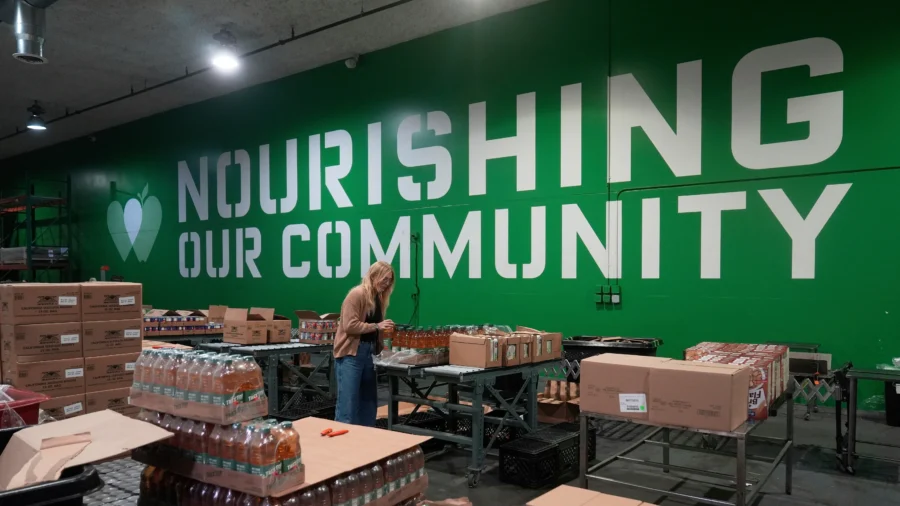
The impact is already visible on the ground. Central Christian Church's food pantry in downtown Indianapolis served approximately twice its normal daily volume on Saturday, scrambling to accommodate the unexpected influx.
"There's an increased demand. And we know it's been happening really since the economy has downturned," volunteer Beth White said, adding that with an interruption in SNAP funding, "it's going to continue to get worse for folks."
For recipients like Martina McCallop of Washington, the potential loss of $786 in monthly SNAP benefits creates an impossible choice between necessities.
"I have to pay my bills, my rent, and get stuff my kids need," she said. "After that, I don't have money for food."
Reggie Gibbs of Indianapolis, who recently started receiving SNAP benefits, is concerned for families with children. "I've got to harken back to the families, man," he said. "What do you think they're going to go through, you know?"
The crisis places pressure on a charitable food system that has come to supplement federal assistance programs. Food pantries currently provide about one meal for every nine provided by SNAP, according to Feeding America.
"When you take SNAP away, the implications are cataclysmic," Feeding America CEO Claire Babineaux-Fontenot said. "I assume people are assuming that somebody's going to stop it before it gets too bad. Well, it's already too bad. And it's getting worse."
Some facilities have reported alarming inventory shortages. George Matysik, executive director of Share Food Program in the Philadelphia area, said a state government budget impasse had already reduced funding for his operation.
States Mobilize Emergency Response
State leaders have launched emergency measures to address the crisis, though their approaches vary widely based on available resources and what they are capable of.Democratic New York Gov. Kathy Hochul announced she is fast-tracking $30 million in emergency food assistance funds to "help keep food pantries stocked.” Democratic New Mexico Gov. Michelle Lujan Grisham committed to expediting $8 million allocated for food banks.
Louisiana, Vermont, and Virginia officials announced last week they would attempt to maintain food aid for state residents despite the federal program stall. Louisiana's House unanimously approved a resolution calling on the state health department to allocate $150 million to prevent interruptions for the state's nearly 800,000 SNAP recipients. Republican Virginia Gov. Glenn Youngkin announced on Thursday that he would declare a state of emergency to continue providing benefits.
Additional Programs at Risk
The crisis extends beyond SNAP. An estimated 140 Head Start preschool programs won't receive annual federal grants on Nov. 1 if the shutdown continues, potentially affecting more than 65,000 program seats nationwide, according to the National Head Start Association.The Special Supplemental Nutrition Program for Women, Infants, and Children, which serves more than 6 million people, could exhaust funds as early as Nov. 8.
The funding deadlock centers on Democratic demands for health insurance subsidy extensions. Senate Minority Leader Chuck Schumer told CNN that Democrats have no plans to change strategy, saying Republicans "should sit down and negotiate a way to address this crisis. They caused it, they're the ones maintaining it.”
Republicans have said they're ready to fund the government at current levels.